
José Hernández Trumpet Interview
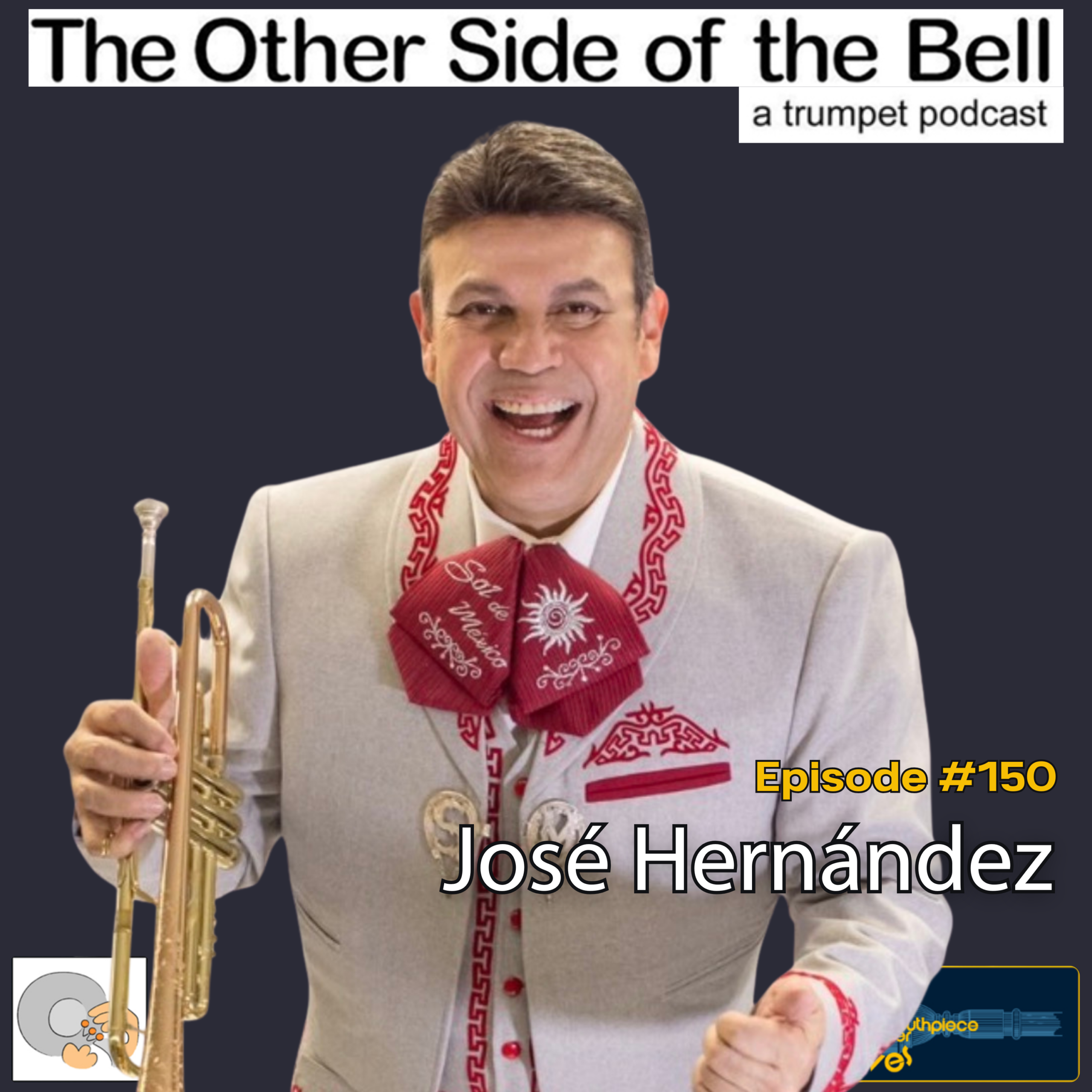
Welcome to the show notes for Episode #150 of The Other Side of the Bell – A Trumpet Podcast. This episode features Mariachi trumpet performer and recording artist José Hernández.
Listen to or download the episode below:


About José Hernández
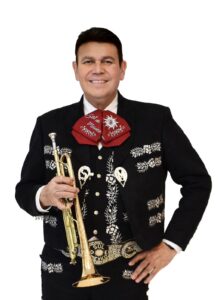
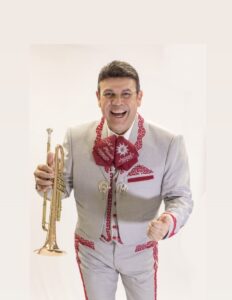
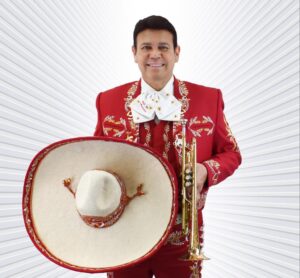

José Hernández episode links
- Website: mariachisoldemexico.com
- Restaurant: casadelsoloc.com
- Instagram @mariachisoldemexicodejosehdz
- Instagram @jh_maestro_sol
- Facebook @mariachisoldemexicodejosehernandez
- Rhapsody for Mariachi
- La Voz de Mi Trompeta
- Doc Severinsen & José Hernández – Concierto de Aranjuez
- Linda Ronstadt album, Canciones de Mi Padre
Upcoming Bob Reeves Brass Mouthpieces Events
- Texas Music Educators Association Conference, Feb. 11-14, San Antonio, Texas
https://trumpetmouthpiece.com/products/tmea-valve-alignment-special -
Dillon Music, Feb. 26-28, Woodbridge, New Jersey
sales@dillonmusic.com -
National Trumpet Festival, March 20-22, University of Iowa, Iowa City, IA
https://trumpetmouthpiece.com/products/national-trumpet-competition-valve-alignment-special -
Metropolitan Music, April 10-11, Seattle, WA
https://metropolitan-music.com/https://metropolitan-music.com - Arkansas Trumpet Day, April 18th, Arkansas State University, Jonesboro, AR
Podcast Credits
- “A Room with a View“ – composed and performed by Howie Shear
- Audio Engineer – Ted Cragg
- Cover Photo Credit – José Hernández
- Podcast Host – John Snell
Transcript
Please note, this transcript is automatically generated. It may contain spelling and other errors. If you would like to assist us in editing or translating this transcript, please let us know at info@bobreeves.com.
John Snell: Hello and welcome to The Other Side of the Bell, a podcast dedicated to everything trumpet brought to you by Bob Reeves Brass. We’ll help you take your trumpet playing to the next level. I’m John Snell, trumpet specialist here at Bob Reeves Brass, and I’ll be your host for this episode. Joining me today is trumpeter and founder of Mariachi Sol de Mexico, José Hernández.
We’ll get to Jose’s interview here in a moment from our sponsor and some trumpet news.
JOHN SNELL: I’d like to welcome our newest sponsor to the other side of the bell, the Colburn School’s Summer Brass Institute. Intermediate and advanced brass students age 13 to 22 are invited to join the Colburn School’s two Week Brass Institute this summer for an immersive experience of the best the brass world has to offer. Led by some of today’s most active and respected brass artists. The program features [00:01:00] large brass ensemble chamber, music rhythm workshops, and masterclasses.
Taking place from July 7th to the 18th in downtown Los Angeles. Visit www.colburnschool.edu/summer to apply. And just on a personal note, my son, who’s a young buddying trumpet player, took part in the Colburn School Summer Brass Institute, last summer and had an amazing time.
I also have some friends and colleagues who’ve had their either, children or their private students take part. And it really is a world class brass faculty. very enriching and fun, summer experience. So, if you know someone age 13 to 22, have them apply again. That link is www.colburnschool.edu/summer, and we’ll have the links down in the show notes of this episode.
And a huge thank you to the Colburn School for sponsoring this podcast.
JOHN SNELL: Happy February. Everybody. The one month of 2026 has already [00:02:00] gone by. Uh, just ran into a bunch of you at the NAM show. recently. We weren’t exhibiting, but we were there helping out. the guard bag booth, uh, if you can see behind me if you’re watching this on YouTube, uh, we are overflowing with guard bags, which means if you’re interested in, we do have some one-offs that we picked up, from that trade show. including the sought after fiberglass hard shell cases. Uh, I think we have a couple doubles and a couple triples, for trumpet, as well as some cool triple trumpet, in some leather and nylon styles that we don’t normally carry.
A couple crocodile, a couple different colors. So if you’re in interested in those, Give us a call or send us an email and, if we have them left, you are certainly welcome to purchase them. And a huge thank you to Avi and Puja and all the folks at Guard bags for having a wonderful booth. And, uh, again, a lot of lot of cases already found homes from the show floor.
but we did have a few left that we brought back to the shop. Another shout out, listener. Uh, Bob [00:03:00] Secoy came through town. Uh, Bob used to be a, professional player in the Vegas area. You know, like many of us took some years off to raise family and have a career, and, came back, unfortunately during his comeback.
This is a, a really, heartwarming story. he, was diagnosed with focal dystonia and did some Googling and came across this podcast specifically the episodes with Greg Spence and the, focal Dystonia episode with Greg and Julie Bax. That started a connection with those two individuals.
He’s been taking lessons with both Greg and Julie as well as doing, other things. he was here in the shop to check out some Vin mutes and, I can say he’s well along his, uh, road to recovery. He was sounding great up here in the front room and, really meant a lot to know that, we were able to start making those connections.
thanks to this podcast. and we had a, I mentioned a few other listeners come by the, the booth at Nam, when I was hanging out with the Guard folks and, uh, also was really honored to have the good folks at Greg Black mouthpiece [00:04:00] visit us. Uh, if you see on our social media, Greg Black and Ben Strickland, from that company spent the day here at the shop.
They were out here for the Nam Show and we had a lot of fun going through our, archive, Bob’s old tools, you know, some of the fun. Mouthpieces and instruments we have in our collection. Some Maynard Ferguson stuff, some, Bud Brisboy mouthpiece, some old John Kleinman mouthpieces, and it was just a great, great, great time with those folks as well.
as I mentioned last time, we do have a lot of travel coming up. TMEA will be. Up. That’s the Texas Music Educators Association Convention. February 11th to 14th in San Antonio, Texas. We do have the valve alignment link up if you’re interested in getting one. click on the links in the show notes or in the description, or head over to trumpet mouthpiece.com.
That’s our online store, and if you search for TMEA, it should show up. We sell out every year. don’t be that person that shows up on a Friday night or Saturday morning and wants an alignment. [00:05:00] And I’m out of time ’cause I, I hate saying no, but I do have a flight to catch again, the dates for that February 11th to the 14th.
Two weeks later, we will be going to our good friends in Woodbridge, New Jersey at Dylan Music. We will be doing v alignments there. And, uh, those will be doing by appointment as well through, Dylan Music. So contact Dylan, dylan music.com, for their email and phone number. Jim is probably the guy to talk to there.
He’s always running around busy, so if he’s not, you can talk to anyone there and set up your appointment, for valve alignments at Dylan Music February 26th. Through 28th. And of course we don’t just do a valve alignments, we’ll have the 300 and so forth, uh, trumpet mouthpiece. We’ll have a good selection of old vein mutes Charlie Davis mutes.
we’ll have some Charlie Davis horns as well at Dylan Music and, uh, some other fun stuff. never too early to plan. We will be at the National Trumpet Competition that’s in Iowa City, Iowa, March 20th to the [00:06:00] 22nd. The alignment link for that is on our website. we’ll have the link below and also@trumpetmouthpiece.com if you search for National Trumpet Competition, or NTC if you don’t want to type that much.
looking forward to going to Iowa our first time. There. And, it’s always a great event. the hosts always have, great competition, great judges, great masterclasses, and the vendor room is always, lot of fun madness, valve alignments, mouthpieces. We’ll have some shires trumpets. We’ll have Charlie Davis trumpets.
We’ll have guard bags there. Everything you could possibly need. next on the list, metropolitan Music. In fact, I just, spent a few days with, Paul and Jean McVicker from that store in Seattle, Washington. And, we will have a signup link for that, shortly, hopefully in the notes for this one, the dates for that.
April 10th and 11th. I believe that’s a Friday and Saturday. Same thing. Alignments, mouthpieces, lots of fun and hanging out in a wonderful music store. And our first time in Seattle. So that’s gonna be great. And [00:07:00] the last one on the calendar is the Arkansas Trumpet Day, at Arkansas State University in Jonesboro.
the date for that is April 18th. We don’t have a signup link for alignments for that quite yet, but, uh, stay tuned. One of the future episodes. So a lot of travel, a lot going on here. We’re, uh, if you’re interested, speaking of Vin Mutes, we’re just getting a shipment in of, Ullvén Cup mutes for trumpet.
We’ve been outta stock for, a few months or a month or so, on some of the models. so we’re getting some of the dizzy cups and I think some of the copper cups, very popular. you know, in their line, obviously the Dizzy Cup is the quintessential bebop cup, mute sound, and the Copper Cup, Hoan Hardenberger uses and is recorded with, for a lot of his career.
So great, dark rich cup sound, in those two options. So check the website, cause once they’re in stock, they don’t last very long. That’s all I have for today. I’m really excited about today’s guest, Jose Hernandez. We’ll get right to his interview.
JOHN SNELL: [00:08:00] Today’s special guest is Jose Hernandez, an internationally renowned mariachi musician, composer, educator, and cultural ambassador. He’s the founder and musical force behind Mariachi, so de Mexico, the trailblazing Mariachi Rena de Los Hanes, the Mariachi Heritage Society, and the Mariachi Rams in partnership with the Los Angeles Rams.
Born in Mexicali and raised in East Los Angeles. He spent a lifetime pushing Mariachi forward without losing its roots. His music has been featured in over 20 Hollywood films. He’s earned multiple Grammy and Latin Grammy Award nominations, and he’s performed for five US presidents while also building a curriculum that’s influenced mariachi education across the US and abroad. And now here’s my interview with Jose Hernandez.
JOHN SNELL: Well, it’s such an honor to have joining me today, Well, it’s such an honor to have joining me today, Jose Hernandez. [00:09:00] Jose, good morning. How you doing?
JOSE HERNANDEZ: Very good, John.
Nice, to see you.
JOHN SNELL: Yeah, I know one, one of these days we’ll do this in person. But it’s, I’m a great you’re taking a break in your busy schedule to talk to us about trumpet and mariachi and who knows what else? let’s start right from the beginning.
did you start playing trumpet first or did you start with one of the other instruments or singing? How did that come about?
JOSE HERNANDEZ: You know, I started playing trumpet in fourth grade. we were living in Mexicali and uh, me and five siblings were the last, kids from our family that, that immigrated to la. Right. So I grew up hearing my three older brothers playing trumpet, and they were already playing professionally.
So when I turned 10 and we were able to start in the band in school. I told my dad, I wanna play a trumpet. Can you rent a trumpet for me? And he goes, why do you wanna play trumpet? I go, because, ch chop, Pedro and Antonio they’re playing trumpet. I wanna play like them.
And also my other older brother Jesus. So yeah, I started at the age of 10 in fourth grade.
JOHN SNELL: Wow. so are you the youngest of your siblings or,
JOSE HERNANDEZ: of eight. [00:10:00] Yes.
JOHN SNELL: wow. And so, And so you had four older brothers that were playing trumpet already. And you said professionally art, uh, mariachi or,
JOSE HERNANDEZ: The three oldest ones were already playing, mariachi. And, the fourth of the oldest brothers, Jesus, was about four grades above me. So he was in middle school when I started in fourth grade. And he used to have the same band teacher, right. So,
JOHN SNELL: So you, you saw them do it, you wanted to pick it up and were your parents musical as well? Is that why all your siblings, okay.
JOSE HERNANDEZ: Definitely my dad played mariachi. He was a violinist and his father was a violinist and his grandfather, great-grandfather. So we go back to seven generations.
JOHN SNELL: No seven generations of mariachi. And then, and now your, your children, are taking that on as well.
JOSE HERNANDEZ: daughter’s playing violin, my daughter Crystal, and she’s playing on with the all female group that I have Mariachi. But yeah it’s I’m finishing up a book, you know, once this last year was my 50th anniversary as a musician, a mariachi musician. So yeah, I had some I wanna say ethnomusicologist or some [00:11:00] historians go back and try to trace my family.
Yeah, it goes, it’s really further than the, more than seven generations. But, arguably, you know, we’re the family that has kept mariachi as a tradition the longest, you know, that they have documented.
JOHN SNELL: Literally in your blood
JOSE HERNANDEZ: Yeah, so I was always wondering why are all my nieces and all my kids, they’re all musical. Like they have, you know, they have very pretty voices and they pick up music very, very easy.
But yeah, it goes back, and not only my father’s side, but also on my maternal side. My mother’s father was also Mariachi,
JOHN SNELL: Amazing. Amazing. So you’re born into this family. You started playing in band. were you learning, uh, trumpet from your band or from your brothers, or just absorbing
JOSE HERNANDEZ: At home. I was, I would always listen to the rehearsals that they had in their group. So I heard it all the time. Now, mariachi music wasn’t really written out unless you were at the professional level and you’re doing recording sessions, right. With all these famous singers in the sixties that they basically recorded with from, they were in Mexico City when they did a lot of those recordings.
But no, [00:12:00] I mean, I learned from my band teacher, you know, and, and, the importance of education. I think I got that from my band teacher who was a viola player. He was very interested in what my father did, and I told my vi, my father’s a violin player. He goes, oh, really? You know, so, mind you, this, these were the sixties, you know, so in the sixties there was a lot of tension, racial tension, you know?
when he made it okay to have my picture, my father’s Pictures group in his office, it was pretty cool, right? Because all my, the band members from from the school were saying, oh, is that your dad? I go, yeah, that’s my dad. You know, he plays at the San Dina racetrack, you know, the mariachi they used to play on the weekends.
And uh, it was pretty cool, you know, my band teacher made it, made it okay. He was like half, uh, Jewish and half Russian or something like that, A Russian Jew, you know? And he was just an amazing musician.
JOHN SNELL: so that’s where you got your start. I mean, how was the trumpet for you? Was it, uh, did something you kind of picked up naturally or,
JOSE HERNANDEZ: Yeah, I picked it up pretty naturally. You know, [00:13:00] for some reason we would memorize very, very, very easy. I remember, I think at four months of playing, I, I learned how to circular breathe
JOHN SNELL: four months,
JOSE HERNANDEZ: yeah, at four months my, my uh, older brothers used to do it. then my, my, uh, my brother Jesus, who was in middle school, he learned how to do it and he taught me how to do it.
And our teacher would say, okay, let’s see who holds the longest, note, you know, for the Trump players to build up, you know, the consistency of our sound. So I knew how to circular breathe, so I’d always make sure that I would finish like maybe like two, three seconds longer from the guy behind me.
So he would give us these big old Snickers or Babe Ruth, you know, these candies for the winter. Come. You’re always the one. How come you always like, like you’re memorizing your music, you know, faster than everybody else. I go, well, my brother, you know, oh, he goes, Jesus, Jesus is your brother. He goes, yeah, he, he does the same thing, you know, in middle school.
I go, well, our dad’s a musician. That’s when he found that dad was a mariachi. So our [00:14:00] ear, you know, it just we, we were born, I guess with a very natural ear for music, you know?
JOHN SNELL: Yeah. so when you picked up the trumpet, did you start playing with the family at home or
JOSE HERNANDEZ: no. It was band.
JOHN SNELL: I was the only Band. to,
JOSE HERNANDEZ: So in the sixties, you know, we got exposed. There were band arrangements of a lot of the Herb Alper music and other, you know, other pop songs that were popular, you know, at that time on radio, sorry, we had a, a really good band teacher, you know, it was a little, it was like a, it was a band, wind ensemble, no strings.
And then middle school wind ensemble. I went through high school, you know, playing in there were al always wind ensembles.
JOHN SNELL: So you, you had that background at, at what point did you start playing? Uh, did you ever start playing with your brothers doing
professional
JOSE HERNANDEZ: I started I think at the age of 16, 19 75, my brother had the gig in Disneyland, so he used to play in Frontier Land with his mariachi. He started playing there in 1967, but also, like in 1974, I think, or 75, I went and I took my trumpet just to get in for free with the musicians, right?
So I [00:15:00] went and one of the violinists didn’t show up, and my brother goes, Hey, you know, the supervisors called me today, put on the suit. This was during one of my, the summer year.
JOHN SNELL: Mm-hmm.
JOSE HERNANDEZ: So I put on the suit, and I, I had heard the music, but I didn’t know any of the songs, right? I hadn’t memorized them, but he goes, don’t worry, it’s only 10 songs that the gringo like to hear, you know?
He goes, that’s all you have to learn. He goes, why don’t you stay and just gig for the rest of the summer? I’m like 16 or something like that, 16 and a half. And I did like that. There was no problem at that time, you know,
JOHN SNELL: so, so had you not played any mariachi
JOSE HERNANDEZ: know, but I’ve heard it all my life.
JOHN SNELL: heard it all? Yeah. Mm-hmm.
JOSE HERNANDEZ: language of mariachi. Right? The articulations was our language. So I would always hear play like
we knew where the, we would sing the articulation. So when we learned the [00:16:00] notes, we already played the style and the vibrato came very natural. You know the job,
JOHN SNELL: Yeah. Wow. So it was 16 when you first started playing mariachi and it was in, in Disneyland,
JOSE HERNANDEZ: for three
JOHN SNELL: on the spot.
JOSE HERNANDEZ: On the spot. And then everybody started sort of talking about me. They go, man, did you hear this young, this young guy’s only been playing a couple, a couple of months. they all knew my brothers. Right. Because my brothers weren’t like the most popular mariachi in the world.
Right. And so then they called me to gig at the, you know, the El Torito restaurants. Right.
JOHN SNELL: Oh, of course.
Yeah.
JOSE HERNANDEZ: these were the original ones from, with the original owner. Which one was in I think it was in Westminster, right? In Orange County. And then another one was in Newport Beach. And, uh, he had some other ones called La Fiesta, other restaurants.
So we played four nights, or five nights. They called me to play with a small group, an eight piece group. And by that time, my, my older brother was in middle school, obviously he was in, in college. He would play in the evenings, but he picked up guitar, You know, people started talking, [00:17:00] what you should hear him play, you should hear him play.
You hear, and I think it was right after high school when I joined my older brothers group and with my father and my other brothers.
JOHN SNELL: The family band. Wow. Now, did you ever take private lessons like trumpet lessons or was.
JOSE HERNANDEZ: When I went from high school, from playing in the stage band, you know, the jazz band. And, and, uh, I think I, I stopped marching. Yeah. In marching band in high school I only marched for a little bit, but in concert band. And then from there, going to play mariachi six nights a week. ’cause my family bought a restaurant in the city of Montebello. lip was like in shock. it was weird because now I was always articulating a certain way. It was always more aggressive, the staccato and all that, you know, were playing with mariachi and out of the six nights I would feel. Good three nights. And the other three nights I was like, oh my God, I don’t know who I’m gonna feel.
So, you know, it becomes like a mental kind of thing.
JOHN SNELL: Of course. Yeah.
JOSE HERNANDEZ: And somebody told me about a teacher that lived in Glendora that used to play with the San Diego Symphony. His name was Dave Evans, [00:18:00] I think. Dave Evans. Yeah, Dave Evans. He goes, you should go, you know, and study with him. So I went for about two or three months and he introduced me everything.
I never really studied the trumpet. It’s like I learned, prove the songs, you know, I learned how to read, but I never started studying like a technique. It always came very natural to me. So he introduced me to, lip flexibility exercises and stuff like
JOHN SNELL: Jimmy Stamp or
JOSE HERNANDEZ: No, it was Clark Technical Studies.
JOHN SNELL: the Clarks. Yeah.
JOSE HERNANDEZ: technical studies. So we did a lot of those. And obviously he gave me some exercises from VINs, you know, but I, I knew VINs because I learned how to read music, play the duets with my older brother, the, the, last part of the page of the book. We were played those duets. But yeah, he introduced me to the, exercises.
And I remember beginning to feel better, but he goes, no, no, don’t stick out like that. It’s too, like, too aggressive. So he was turning me into a classical trumpet player
JOHN SNELL: Yeah.
JOSE HERNANDEZ: and he was, you know, I was playing.
He, he goes, you could, you really articulate very well here. Why don’t we work on [00:19:00] this? And, but then I’d go play with my family and my older brothers who were really good trumpet players, my anti trumpet. They go, the hell is happening to. You know, here I played everything smoother,
JOHN SNELL: Smooth and
delicate and, yeah. Light. Yeah.
JOSE HERNANDEZ: I go, well, you, I’m going with the teacher, you know, to get more technique.
He goes, well, he’s screwing you up. He goes, you gotta stop going with him. You gotta stop going with him. He goes, just listen. You use your ear and just use common sense. And if you did learn something, you know, just use whatever helped you. So yeah, there were I stuck with those Clark flexibility exercises that really helped me.
And I developed my own little routine for maintenance. And I, all of a sudden it was like, okay, I know how the lip works. I know it’s this, it’s that. This creates sound. This is clears up your sound. And ever since then, I never had a problem ever since I was the age of 19.
JOHN SNELL: Geez. A few months of study and learning the Clarks and, yeah. And, so what, what was the name of the, the group that your, uh, your family was in, your father [00:20:00] and your brothers?
JOSE HERNANDEZ: Gall and, and my brother Antonio, he became very good friends with Bob. You know, since I, I remember going with Bob Reeves. Oh my gosh, maybe I was in ninth grade or something like that. I was 14. Right. So I was, I’m talking about 50, 50 years ago or something like that. He was right there on, on right there in Hollywood next close to Vine, right?
JOHN SNELL: Yeah, right off of Melrose on,
JOSE HERNANDEZ: Melrose. Yeah, Melrose. Yeah. Yeah. We used to go there and uh, and uh, the guys from Mariachi Vargas that, that from Mexico, the trumpet players, ’cause my brothers used to play there. They always used to ask, you know, Tony and I, Hey, you know, can you go check out some Bach trumpets that we would go check out Bob and, you know, test them and then we would send them off to them.
Or they would come, when they came to on tour in la, they would trust us to pick their trumpets out. Right. And they would all go to Bob. Bob was the guy making all those mouthpieces for the mariachis, you know,
JOHN SNELL: Yeah.
I
JOSE HERNANDEZ: brothers being the top players, you know, they. Bob Re the Bob Res, so I [00:21:00] did too, like that was my mouthpiece since I was a ninth grader or a sophomore in high school.
JOHN SNELL: Yeah. Bob has a lot of great stories of you guys coming in and the guys from Vargas and Yeah. Yeah. He loved you guy, and he loved going down to Sila, Lindo to,
JOSE HERNANDEZ: Yeah.
JOHN SNELL: and Gloria would go down.
JOSE HERNANDEZ: Yeah. Before he used to go to re my brother’s restaurant. Then Enc Lindo, which I, I, I bought in 1986. So yeah, he, it was always great, you know, to see him you know, a lot of the top trumpet players would go. Malcolm McNabb used to go to Lindo all the time, and I met him at a recording session.
It was him and, and, um, Charlie Davis and me, and it was a mariachi. It was a mariachi session, and they had no clue. They go, what did you play first, Jose? So you could give it. But they couldn’t follow me, you know, my vibrato and stuff like that. I go, look, why don’t I, I write in the articulations and you guys play your part and I’ll, I’ll follow you guys. And that’s the way we would record you.
I would follow them, but they had everything written out already. [00:22:00] You,
JOHN SNELL: they had to see the style. Yeah. They could read it, but yeah, they didn’t have in their
JOSE HERNANDEZ: but we became very good friends, you know, Malcolm and myself. And then he would take all these principal trumpet players from all these orchestras that would come to his camp, you know, ’cause he lived in, I think in Altadena or he still lives
JOHN SNELL: Yeah. He’s up there.
JOSE HERNANDEZ: and he would come down right to South El Monte to, to my restaurant and bring, you know, principal player of Baltimore Symphony, the Hawaii Symphony, you know, all these guys.
And he would tell them, here, you gotta, these guys play. And we had stuff like very, very much like Menez Trio, right?
JOHN SNELL: Uh huh
JOSE HERNANDEZ: With that we play and music has been very good to me. I mean, it’s been such a blessing and
JOHN SNELL: so it was you and your brothers, like do features and things
like that. yeah,
JOSE HERNANDEZ: Yeah.
By that time, by the time I had that Lindo in 1986, it was my brother Jesus, who was in middle school. He was a guitar player. He played in my group and he was always, you know, by my side for many years. He retired five years ago.
JOHN SNELL: Amazing. So, so you’re playing in your family’s group. Uh, did you decide to go off to school or were you just working so much that you just
JOSE HERNANDEZ: You know, once we opened the [00:23:00] restaurant, I was working six nights a week and all my friends were going, uh, to, to college. And they asked me, Hey, you’re going to college and where are you going? And they go, no, I’m just working six nights a week and. Family’s place, you know, so I had steady job, you know, making steady money as a musician.
What else do you want? Right at 18? And I just started thinking about and for some reason I got the urge to study and they were, they told me, you know, there, you know, there’s a school in Studio City called The Grove, the Dick Grove School of Music, you know, I go, really? So I started brushing up on my music theory Monday nights.
I remember I used to go to a music class here in, in the city of Montebello, an adult music class, going out over my triads minor Maynard to diminish, you know, just stuff. And then I started driving up there like on a Thursday. During the day and taking Harmony classes with, with Dick Grove.
And once I finished his five books of Harmony, I, I started taking arranging one and arranging two. By that time, I was already beginning to arrange for my brother’s school [00:24:00] and doing some local recordings with local singers and stuff like that. And then Dick tells me, he goes, Hey, why don’t you, uh, take the cap class, you know, the, composing, arranging and producing.
I go I don’t think I can. ’cause I work too many nights at my brother’s restaurant. So then I got enough, you know, nerve to go, uh, talk to my brother. He go, Hey, is there any way that I could just work Friday, Saturday and Sunday? No, no, no, no. I go, yeah, I wanna go to school for Monday to Friday, you know, and it’s like from nine or 10 in the morning till four in the afternoon, you know, and it’s five days a week and it’s like 49 hours a week of school, of music.
He goes, no. He goes, well, four, you’re gonna be a mariachi. What do you wanna learn? I go, yeah, but I wanna do things in a different way. I wanna be able to. To arrange in a different way and have more capacity. If we, in the future, we could do something with Symphony Orchestra as week, because during those days, you know, the mariachis here in LA didn’t do none of, in Mexico.
I don’t think they did that either, you know, as far as going to play with symphony orchestra’s, [00:25:00] concerts. So I it sort of forced me to leave my brother’s group. I was already arranging locally and making pretty good money and I figured, oh, okay, I’m just gonna do that and go to school. And some guy that used to go hear us play, he says, you know what? I just bought a restaurant in, up, in, in, in Whittier, in Uptown Whittier. He goes, and I wanna, I want a mariachi. You think you could put a mariachi together for me just for Friday, Saturday, Sunday. I go, perfect. You know, so, yeah. I mean, my brothers and my father, they were so upset at my older brother that they all left his group.
All of them, all five of them.
JOHN SNELL: Geez. A mutiny.
JOSE HERNANDEZ: Yeah. It was tough on my older brother,
JOHN SNELL: Yeah.
JOSE HERNANDEZ: they were upset that he wouldn’t let me go to school. Right.
JOHN SNELL: Wow.
JOSE HERNANDEZ: So once I put my group together, I started writing and went to also the CAP program. It was difficult, but my group started getting, making a name for itself. ’cause it sounded so different from all these other groups.
Right.
JOHN SNELL: so was that, was that Mariachi Soul
JOSE HERNANDEZ: But sold. Yeah. And then Juan Gabriel heard one of our albums [00:26:00] and all of a sudden he asked me to arrange for him and he would come to LA to record. And mind you, no important Mexican artists would come to LA to record. They all recorded in Mexico City. So we were sort of like one of the first ones that started backing up these great artists.
You know,
JOHN SNELL: Wow. And when was that? That was at,
JOSE HERNANDEZ: this was in 1980. This was 1982 when I started working with him.
Because I remember we only played at that restaurant for one year. And then I went back, yeah, we all went back to my brother’s restaurant. My dad, you know? Okay. I was just worried about my dad having that steady job and working with my brother.
But my brother, my older brother had a hard time, me doing my own recordings with the name of So De Mexico during the day
JOHN SNELL: Mm-hmm.
JOSE HERNANDEZ: and taking my brother that played guitar. No, you can’t take ’em. No, you can’t. You know? So I had to leave the group again and my, my, my brother Jesus, who played guitar, he goes, oh, well I’m gonna get out too.
So we ended up working [00:27:00] in Lafonda, you know, LAA that was over here Wil with Los Compro. So we went and we helped NTI for about a year. Mind you, NTI, the owner of La Fonda, the ro los camp, used to play with my dad when he was young. You know, he started with my dad,
JOHN SNELL: so you had that connection.
JOSE HERNANDEZ: had that connection, you know, so we played there for about a year and then I ended up producing our, an album for my older brother who owned the rest restaurant.
So I ended up going back with him.
JOHN SNELL: Incredible.
JOSE HERNANDEZ: And you know, I was making very good money recording with a lot of artists, and I saved my money and I bought my own restaurant when I was 26 years old, you know,
JOHN SNELL: Geez. Was that C Lindo or was that another, that was when you were 26.
JOSE HERNANDEZ: was 26. Yeah. I was just about to turn 27. Yeah,
JOHN SNELL: So you were already working as a professional musician. You had gotten into, you’ve went to school and started working on arranging and composing and, and then you’re a business owner
JOSE HERNANDEZ: yeah.
JOHN SNELL: at
26.
JOSE HERNANDEZ: Yeah. yeah. I have a very blessed life. I mean, I closed Lindo about [00:28:00] what, like five years ago now when COVID hit
JOHN SNELL: Mm-hmm.
JOSE HERNANDEZ: after 34 years of having that restaurant, you know, and I came up, you know, with some health issues and, on wood right now I’m in remission. Right. So,
you know, so yeah, I’ve been touring and it was very difficult.
I got like double pneumonia because of COVID af, you know, besides the cancer treatment. So I still continued, you know, for some reason the doctor goes, you know what? Thank God that you’re a trumpet player that saved you, your lungs are strong, Jose,
JOHN SNELL: Wow.
JOSE HERNANDEZ: and you survived. You survived it. It was crazy. It was, they told him, you know, he is not gonna make it.
We giving him a hundred percent oxygen. And they go, you’re lucky. You’re a trumpet player.
JOHN SNELL: You have the strength. That’s incredible. Oh man. What a blessing.
so I wanna go back to your, like your inspiration for your ranging composing. ’cause I know, you know, mariachi is so steeped in tradition. and you’re kind of known to be one of the first to start bringing in other musical styles.
What were your inspirations that you brought into [00:29:00] Mariachi?
JOSE HERNANDEZ: in the sixties, there was a big rev revolution with mariachi. I, I think in the fifties there was some revolution, and then in the sixties there was a lot of revolution as far as, playing, north American hits and, and, and adapting them to mariachi and stuff like that. That was going on in the sixties.
So I was exposed to that a lot.
And now mind you, my older brothers played in the top group where they were playing with Vargas, right? They, they were doing a lot of recordings for Mexico City, but when I studied and, and with Dick Grove, I was exposed obviously to, to jazz arranging and all that stuff.
And it was commercial, right? So I could also write for, big band for marching band for you name it, it was in every style country, pop balls in every style. But my string writing my was different than the, the traditional guys, you know? And I was able to, I mean, playing in the jazz band in high school, I knew very naturally how to swing, right?
So I would do a tribute to Glen Miller. Other mariachi wouldn’t do. Right. And I would teach my, my, my rhythm section, how to swing, you know, they always wanted to play it almost like a pole guy. I go, no, not a [00:30:00] pole.
JOHN SNELL: Bone tip, bone tick. Bone tip. Bone tick.
JOSE HERNANDEZ: That kind thing. I go,
I go, no. But the group became very well known doing that. We, I started singing New York, New York. They go, what? With these young guys. Wow. They’re doing. But the traditional guys, the older guys, they hated it. They hated me doing that. But, studying music gave me the tools to be able to arrange and do whatever I wanted with the mariachi ensemble, you know, and I started orchestrating for the, you know, orchestra in mariachi and stuff like that.
JOHN SNELL: Yeah. and then you said kinda your first big break was, uh, Juan Gabrielle heard you
recorded
JOSE HERNANDEZ: Yeah, it was Juan Gabriel. Yeah. He came down, I think I did about 30 arrangements for him. Uh, He was producing for other artists and one, one album for
JOHN SNELL: mm-hmm.
JOSE HERNANDEZ: That was in 82. The [00:31:00] records came up mostly in 83 and 84.
JOHN SNELL: Yeah. And then it was a string of other artists, right? You
JOSE HERNANDEZ: Oh man. My gosh. Yeah. After Juan, I I had those three years after I recorded with him. And then I bought my restaurant in 86. So, I got a call in 1987 by Ru Fuentes, who was the owner of Mariachi who was gonna co-produce with Peter Asher Re with Linda Ronstadt. And he had called me and he goes, Miko, he would call me Miko.
Hey. He goes, Hey son. He goes, uh, you think you could help me with this project? You know, you know, all the musicians in la the better ones and I really need to put something together. we want four. Mariachis to be represented four of the groups of the top groups in the world, and your group is one of ’em.
And I was like, wow, okay. After three years, I’m one of the top groups, okay, that I’ll take it. And Ru Fuentes, he’s like a legend, right? So yeah, we ended up, I ended up sort of choosing the musicians that were gonna record for Ka Padre and he gave me the green light to do that. And that’s when I got back into recording again.
I had done a couple of albums for [00:32:00] Soul just for our group, but not for other artists. And after that record, that was a huge explosion in the regional, Mexican music. I think this, the all time number one seller in albums in history, right? So after that, I, they started calling me from all over the place.
So Jose Feliciano, Vicki Carr, and all these great Mexican artists also, besides that, just a whole bunch of stuff like that Con once in a while, I still do some productions like that.
JOHN SNELL: But that was it like the eighties, nineties,
JOSE HERNANDEZ: Eighties, nineties, I think in the early, in 1994 because I was producing, you know, for all these major labels, Sony and, uh, from, uh, Ola, which was R-C-A-B-M-G, and then, uh, EMI Latin called me Capital Records, the Capital building right there. Your neighbors, right? At that time, uh, they, uh, they called me and, to produce an album.
and the president asked me, Hey, do you guys have a label? I go no. How many albums do you have? I go, [00:33:00] well, I own the masters of, I think I have four of ’em so far. He goes, well, why don’t we do a, a wide release of your four albums and you record one more, we’ll do a five album deal with you, blah, blah, blah.
So yeah the, our first album came out with the other four that started selling internationally, and then I did four more albums for them,
which was, you know, that sort of launched us as Soda Mexico even more.
JOHN SNELL: yeah. were you guys touring at all before that or, just mainly
JOSE HERNANDEZ: on and off. We would do one casino here, one casino there. Varga was touring with, with Linda Ron, I think for the first year, first two years, de Los Capros, from La Fonda. They started touring with her. I was so dumb. ’cause she wanted, I was her vocal coach through that first album and she wanted me to be with her.
When Vargas couldn’t make it, and I go, you know, it’s gonna be so hard for you to come from Brentwood all the way to South El Monte to rehearse with us. I go, why don’t you go to Lafon? You know, it’s Nazis. There. He was part of the album. I came Nati that whole tour. I mean that without even knowing, [00:34:00] you know.
But
JOHN SNELL: Made the connection.
JOSE HERNANDEZ: by that time, you know, I was still trying to establish my restaurant, which was becoming very popular. And I started teaching at Mariachi music, at Cerritos, college in 1988.
JOHN SNELL: Wow. So, so it would’ve been difficult to pick up and do a world tour
JOSE HERNANDEZ: Yeah, I couldn’t leave my restaurant, you know,
JOHN SNELL: so you made, so you were her vocal coach for that
JOSE HERNANDEZ: Yeah. I was the one that made sure that her Spanish was close to impeccable, you know, and we became very, very close. You know, she trusted me a lot with, with doing all the vocal comps at the end, and, you know, hearing three different versions of the same song.
And, you know, this phrase is better, Linda, this, you know, you have more of a feel, a natural feel, this. Yeah. So between her, Sean Murphy, who is John Williams engineer, you know,
and myself, we were the ones that doing all the vocal comping, you know?
JOHN SNELL: I mean, a timeless album. We still play it almost every week here at the shop. and if for our listeners, if you haven’t heard it, you have to have to check out.
JOSE HERNANDEZ: it was really cool, you know, because Ru [00:35:00] Fuentes was conducting and directing that album. And so we would have, there were some songs where we had six trumpet players,
JOHN SNELL: Mm-hmm.
JOSE HERNANDEZ: Because he wanted that, that combination. and we we’re all waiting like, okay where does he wanna sit us?
And he would say, Jose, get in the first chair, your first chair then so, so, so, so, so, so, so, so sir. And like the, the youngest of all of ’em, you know. But it was pretty cool, you know, because I, I got to play first trumpet on that whole album. And I also played ela, because we were laying down the rhythm tracks and my brother Jesus played guitar and myself, ela, I think we played, five of the 10 songs.
We were the rhythm section of that album, you know?
JOHN SNELL: Geez. So all, all over that album. were any of your other brothers playing in the trumpet
section or were they
JOSE HERNANDEZ: my brother Pedro, the owner of the restaurant, he was known more as a singer, even though he played trumpet very well. But like I said, I’ve had produced an album for him as a singer.
JOHN SNELL: Mm-hmm.
JOSE HERNANDEZ: He ended up singing, I think two or three songs with her duets on that album.
So I think he, him and then my brother Jesus played [00:36:00] guitar with me and myself. We were the only three from my family that, that played in that album. And our musicians from our group also played it.
JOHN SNELL: Yeah. And so you’d mentioned though, they wanted like the four big mariachis to be involved in that.
JOSE HERNANDEZ: Yeah. So,
I think I picked three from Los Campero, but who ended up recording the most was Nazi. He played violin because he used to play with my dad when he was younger. You know, that whole thing. Right.
He played violin. And my brother Pedro sang, and some of his musicians played, I think Juan, who is married to my aunt and he used to play with in, in in Guadalajara. He played trumpet and also Federico, who was with Vargas for many years, Federico played there. Luis, who was, I think he was at that time, he played a little trumpet there on some of the, when we had the big section on some of the pieces. Right?
JOHN SNELL: that must’ve been fun
JOSE HERNANDEZ: Oh yeah. It was fun,
JOHN SNELL: getting all those legends together
JOSE HERNANDEZ: and then we were right there in Santa Monica at the complex at that, during that time that studio with George Massenburg was the owner [00:37:00] of that studio.
It was pretty amazing, you know?
JOHN SNELL: So you do that, you get your record deal. so does this, when you, you guys started doing more extensive touring, like international
JOSE HERNANDEZ: Well, yeah, we started, we started doing that I think towards 1997 or something like that. We would go back east and play something like that. Then we started going to Mexico for the first time. Mind you, it was the first time after 50 years that my family had left.
So it’s the first time that a family group goes back and once we went back and the, you know, they all had heard our records, right? So we were like, it was like the new sound in a way. It was like the turning of a page of a new era of mariachi arranging and just a new sound. And we were very like tentative of having the heroes because we would hear stories.
If you guys play Glen Miller over there, they’re gonna lynch you guys, you know, stuff like that. But
JOHN SNELL: Seriously.
JOSE HERNANDEZ: it was all fake. That was all, you know, they were fake stories, right? [00:38:00] Because the mariachis, the top mariachis in Mexico didn’t want the people over there to hear us, right? ’cause it was like comp, we were com their competition.
Oh man. When we went to Guadalajara for the first time, man, all the young guys, all the young musicians, they were boom. And I would always give a free masterclass. Nobody ever did it. And I go, well, I gotta, I gotta share stuff like that into a masterclass with the kids. Well now, you know, one of those kids, he was 15, uh, Carlos Carlitos, you know, I remember giving him the Adler Adler, uh, orchestration book when he went.
And he always had a collection of our CDs. He’s now the director, my musical director, mariachi Vargas. Is
that
JOHN SNELL: you go. So you started ’em at 15, handing them the book.
JOSE HERNANDEZ: a whole new generation of musicians. And these musicians are Mariachi Vargas and other top groups.
You know, they grew up with my music, you know, with souls music. And it’s really cool, you know, too. To see that there’s that respect and it’s a mutual respect, you know, that we all work together. It’s not, no. During the nineties, the older guys from the past year, they were very [00:39:00] territorial, man. You couldn’t, they felt threatened.
It was really, really hard. And I was the one sort of like, in a way breaking ground, you know, pushing the envelope. So I was the one that was taking all the hits, you know? Oh, now Jose, Jose Hernandez is the antichrist of mariachi.
JOHN SNELL: God forbid you play Glen Miller and, uh Yeah. But you were getting in front of people and you were getting backing a huge artists and playing in Carnegie Hall and all over the place.
JOSE HERNANDEZ: So we started, I think in 1991, I started my foundation because we, my business was doing so good. We did re and I was producing a lot and we were doing a show, I think it was 1989 or 1990 in San Diego with Vicki Carr. And L Ra, huge singer. And Los sold Mexico. And also I put together like a 50 piece orchestra to pack up L Ra.
So that’s when, uh, Vicki came wanted to talk to me, Vicki Carr, and also Rod, who’s the producer [00:40:00] of what we know is Medici, USA, and they asked if I could do be the music director for this event they wanna do at the Hollywood Bowl.
And I go, what? I’d love to do it, you know? So then we started the Hollywood Bowl, I think 1990 or 1991.
And from there then I started a festival in Albuquerque, in the Manchi Spectacular in 1991 also. And then 1992 or 1991 also, I started the Las Vegas International Mariachi Festival. But I would call Vargas, you know, Fuentes and Hey, you guys wanna be part of this? Oh yeah sure.
You know.
JOHN SNELL: Make, it is incredible. Making your own demand. Making your own work and bringing the music
JOSE HERNANDEZ: Well, because the other groups were already touring with Linda, right. I had to find my own way. we were doing some casinos alone already. We were doing some performing arts centers alone.
JOHN SNELL: Mm-hmm.
JOSE HERNANDEZ: that gave me the opportunity, plus having the restaurant, you know, to make my group even better, better and better, better.
But throughout, I think all of our albums since the 1981 album, I think you could hear the consistency of the sound and the style of the group. Right? Because [00:41:00] obviously we’ve had the same director for, for 44 years now, right? 40, 45 years. And I think we’re one of the longest consistently sounding groups in the genre, you know, because it’s, uh, it’s always been, you know, under my, my writing, you know.
JOHN SNELL: Yeah. You’re writing and the Yeah the sound your, yeah. Your thumbprint. so what point did you start doing, uh, like collaborations with symphonies and kind of like the idea you had when you were
JOSE HERNANDEZ: The first time was when I went back to my brother’s restaurant. I think after I went to Lafonda with Los Ros, I came back and I produced that record with my brother, who was the owner of the restaurant, the family restaurant. He was a Bain owner, and they called us because they wanted to honor this, uh, composer, film composer in Mexico, who also wrote a lot of beautiful songs, him and his lyricist.
His name was Man Perone. He wrote the, you know, the, the one that they used for the three Caballeros cartoon were three Caballeros. That’s that song. Very popular, right? He wrote a whole bunch of [00:42:00] beautiful songs that were recorded in the golden era of cinema in Mexico in the, in the forties and fifties.
They wanted to honor him here in, in la So they told us, my brother’s group, Los Ero, said they were gonna send his music and, you know, kind of get an orchestra together. I go, oh sure, great. And then they finally tell me, oh, you know what he says that he doesn’t have that music in hand. That a lot of that stuff got lost and misplaced and whatever through the years.
Right? Can you do something? Can you write something? And I go, man, I think it was like about, yeah, about a 50 piece orchestra and a lot of the artists, the sons of the great artists that he produced and the daughters, they were gonna sing. So here I got my chance to start writing for the orchestra for a live TV show.
and I did that in 1983. And it sort of stayed like that. And I didn’t start doing stuff with the orchestras until we did something with the LA Phil. I think we did like a children’s concert, and we did about three [00:43:00] songs with them in 19 91, 19 91, 19 92. And then things started coming together.
They called me with a Sacramento Symphony, the New Mexico Symphony Orchestra, the San Diego Symphony, you know, start doing different orchestras. And then obviously, you know, the musicians Union wanted us to join the union. And I said, no.
JOHN SNELL: Well, that, that’s a whole nother podcast there. Yeah. Talk about the, uh, yeah, the La Musicians Union. I mean, were there any difficulties like combining the styles of, like the, say the classically trained musicians that are used to reading things like similar, you’re talking about when you were in the section with Malcolm and Charlie and then bringing in the mariachi on top of that, or was that
JOSE HERNANDEZ: I was so used to writing for Mariachi musicians. Right. And playing Syncopate itself is very easy for us expecting, uh, classical string players to play. What, what mariachi play that it’s very difficult, even though it’s, they have to read it. It’s, I would [00:44:00] assume probably a good hin violin player, viol, you know, Hollywood player.
They probably, you know, might do it. But now I, I learned to, to write it more like a, like a double string orchestra where the orchestra’s playing their things that they feel comfortable with and the mariachi does, and then they come together when they’re playing things that they could both handle. The trumpet players, you know, they play on mostly accents and big parts.
And, uh, sometimes, uh, if we play like an open part, I’ll have them with mutes, straight mutes playing with us just to give it a texture. But yeah it, I I had to learn my lesson. I think the first time I had to do something like, like, I think it was a Christmas show with the San Francisco Symphony.
And uh, yeah, I learned a lot. I learned, what’s really gonna work very, very well and this and that. And it got to the point where I feel pretty comfortable now writing for the orchestra. I wrote a couple of rave, just some pieces, symphonic pieces that are based in Mexican, traditional music.
Got the Seattle Symphony premiered for me, and also Kapa and Ra Cruz, [00:45:00] the symphony there. We just did something in, in October with the University of Guadalajara with their symphony orchestra,
JOHN SNELL: Oh,
JOSE HERNANDEZ: which was pretty cool, you know,
JOHN SNELL: wonderful. And these are all original works?
JOSE HERNANDEZ: yeah. Original work we did. I wrote a rap city about about six years ago that, that we premiered in Guadalajara with about 180 Mariachi musicians.
And then people really liked it a lot. Really liked it. I got a lot. So I go, you know, I’m gonna orchestrate this. And I orchestrated it and I go, I’ve gotta do something. Because I, they already had told me that I had this bone cancer, right? So I go, okay, I better do what I have in my bucket list, right?
So I ended up like, you know, calling some friends that are in film, they’re film composers. I go, Hey, what orchestras do you guys record to? Oh, well, you know, we record, we record in Budapest sometimes with the London Symphony or whatever the Royal Phil Harmonic, or sometimes we’ll do Prague Symphony.
Oh, Prague, that sounds interesting. I go, how much does it cost? You know, To record with those guys. Well, first, you know, they gotta see your score and you, okay, I’m gonna send you [00:46:00] an orchestra score. So I send them the, the orchestra score, it’s called Rap Soia Mariachi Rhapsody for Mariachi. And we had recorded it already, just with, so just with the mariachi and it’s pretty cool.
So that’s on YouTube. You could hear it.
JOHN SNELL: Oh, awesome.
JOSE HERNANDEZ: And then they were like, wow, this is really cool. So I ended up taking my conductor. went to Prague and we recorded with Symphony. And so there’s a version also with the Symphony Orchestra
JOHN SNELL: What fun and what a beautiful city too. What a great
JOSE HERNANDEZ: Oh yeah, yeah, yeah. So we recorded it.
That was something that was pretty cool, you know, to do, you know.
JOHN SNELL: Yeah. So with through all this, the writing, the composing, the running a restaurant, um, and you’re also playing trumpet and you’ve featured a lot of times, like what, did you have like a regular routine that you would do to keep your chops up? Or did, were you just playing so much
JOSE HERNANDEZ: Back to the warmup exercises that Dave Evans gave me, you know, and, and the little Clark technical studies. You know what really helped me? I, when was it? I’m gonna say about two years ago, we were gonna play with a TCU Symphony Orchestra in Texas. My daughter graduated from, there’s a music educator and a [00:47:00] violinist, so they invited us to, to play and, uh, Pacho Flores.
You know, Pacho Flores was a guest artist, and Pacho and I had been messaging each other. You know, he would tell me, you know, I grew up in Venezuela playing mariachi, and, uh, we played a lot of your music, Maria, this and that. I go, oh, cool. Pacho. So I finally met him in person. I met him when they did a concert.
And I went to go see my daughter play violin in the symphony three years ago. And then the next year they decided to hire Sol to go play, and Pacho was gonna be part of it. I went for a teeth cleaning and they used some kind of infrared light or something, and it gave me like about four cold sores right here.
JOHN SNELL: oh no.
JOSE HERNANDEZ: I, I was so pissed off. ’cause my wife, why don’t you go get a teeth cleaned? I go, I don’t want to right now because I gotta do a concert, blah, blah, blah. It’ll be fast. It’s this new place. And then that happens. I was so upset, man,
JOHN SNELL: Oh,
JOSE HERNANDEZ: and I was, [00:48:00] they were playing some of my songs, right? So I couldn’t play above a, just a CAC, you know, in the staff.
Like I, my lip wouldn’t buzz, you know, because it was so swollen.
JOHN SNELL: so swollen and
JOSE HERNANDEZ: So when I got over there, I told Pacho, I go, you know what? I’m sorry. There’s certain things I can’t play. Can you play this part for me? He goes, yeah, yeah, yeah. I go write it out. Write it out for me. So, wrote out some parts, you know, for him. I played third trumpet, you know, with my guys. And, uh, he goes, mais Israel here, why don’t you use this? This might help you help loosen up your lip a little bit. It was that, that up sound? Is that what
JOHN SNELL: Yeah. The stom. Yeah.
JOSE HERNANDEZ: yeah. Up sound. Up sound. I go, whoa. Okay. So I used it and it loosened up my lip. I Okay, loosen, not completely, but it loosened it up.
I’m gonna say another 30%. So I was able to get by on, on the,
it was crazy. So ever since then I warm up a little bit with that up sound and it really, it really helps me. It really, really does help me.
JOHN SNELL: Yeah. Well, what a saver. But, so there this a lesson. Don’t get your teeth cleaned
[00:49:00] right before.
JOSE HERNANDEZ: it just called me
JOHN SNELL: so I, I mean, it’s incredible that you did so much stuff and you managed to keep the trumpet up. I mean, did you have other, uh, other than your brothers, um, any other inspirations
JOSE HERNANDEZ: Oh my God. You know, growing up and hearing, you know, Severson and you know, hearing Herb Bert, the way he played it, the way he ex expressed himself hearing Al
JOHN SNELL: Mm-hmm.
JOSE HERNANDEZ: you know, and then in high school, you know, Maynard hearing Maynard and hearing Bill Chase and these guys, you know, like, whoa. I was exposed to a, a wide array of players.
I love the way Harry James played. I, there’s a trumpet player that used to play with a, the orchestra, the big band of the Luis Alcaraz in Mexico. His name was Vice Vicente Flore. amazing trumpet players like stylists, you know, made a lot of, a lot of influence. Plus the great mariachi trumpet players that I grew up, you know, besides my, my brothers, but Miguel Martinez, who was like the father of the mariachi style and anos these guys.
It’s a wide array of different players. That’s why, you know, I, I recorded this last [00:50:00] album that we did called La Lata, the Voice of My Trumpet. You see the only trumpet solo album I’ve ever recorded. So I’ve never considered myself a soloist, you know, play whatever. So I finally recorded sort of all the influences that I’ve had musically.
I put it on this one album. So yes, I record Strangers in the Night, Misty. Plus I wrote like about four, four new pieces, four or five new pieces that have like a jazz influence to it. So it’s got some cool, like seven, four stuff I put with Mariachi. It’s, it’s pretty cool. It’s a cool album. But Pacho was telling me, he goes, man, that album, I just, I keep on playing it and playing it.
I go, oh, thank you. That’s coming from you. You know, it means a lot. He goes, no, really, really, I just, you know, your, your way of expressing this, like, if you’re singing, I go, well, yeah. When I play, I feel like how would I sing them? How would I sing these things? You know?
JOHN SNELL: Yeah. Incredible album. We’ve, we’ve been listening to that one as well. We’ll, we’ll make sure we have links to all these so folks can find them. it’s great you have so much of [00:51:00] that, music out there. I wanna talk a little bit about how, how, I mean, how Mariachi has changed. I mean, you had mentioned earlier that, you know, traditionally it was just passed down, you know, by ear.
I mean, and you do a lot in music education now. Has that changed? Is that like, you know, do you have charts now
JOSE HERNANDEZ: From Father Luc, it used to be passed down hardly ever to, to women. It was a male dominated, you know, genre. I started teaching for the first time, and it was by ear. I didn’t take music, but it was by ear at, I think it was Cal Poly Pomona. it was a night class in 1981, just, you know, musicians from some of ’em from the orchestra that wanted to know a little bit about mariachi and I used to, Teach a little bit of every instrument, right. Of the mariachi ensemble. And then I got so busy writing and producing. And then in 19 88, 2 years after I opened my restaurant and we were recording when Linda, Ron had, I started teaching a night mariachi class, a night class, I think two days a week, or one day a week, one night a week.
And Cerritos College. And then I started writing out some stuff and [00:52:00] we didn’t know how to pass down, you know, the rhythms ‘ cause there was no form of writing it or the bones. So I figured, you know, the rhythms, I’m gonna write ’em like a up and down boat.
Like I could remember the rhythms that I make up. ’cause I would come up with new rhythms and new patterns, right? And little by little. You know, things began to be wr written out and we started teaching in 1991, I started my foundation called the Mariachi Heritage Society. ’cause I wanted to give something back to my community.
And I started raising money every, every year doing a concert, all to benefit kids, you know, so we had a, we taught at a school in, on Indiana Street in East LA called the, the LA Music and Art School. So we had a mariachi mariachi classes two days a week there. So kids, parents would bring kids, you know, that to study for $2 a class or something like that.
We made it very affordable for them to, to learn. So I’ve still had my, found the foundation. We’re involved in 28 schools, schools in LA County and, orange County. And I have [00:53:00] teachers in all those schools. A lot of my guys teach in those schools during the week. we haven’t done one of those concerts in, I think in 15 years to raise money.
But right now we wanna start, Doing one concert a year. Again, we’re going back to the San Gabriel Mission Playhouse to do the concert where we used to do all those 20 concerts.
I remember one year I invited Artur, come, you wanna play with mariachi? You know, we’ll do instrumentals with you. And he goes, I sing too.
Okay. You could sing the song too. So Artur,
JOHN SNELL: That’s how you get Arturo to show up. Let him know. He can tell him he can sing or play piano. I love it.
JOSE HERNANDEZ: we were both with, excuse me, with William Morris.
JOHN SNELL: Mm-hmm.
JOSE HERNANDEZ: So one year they asked me, Hey, you think you could, uh, accompany Arturo San? I go, yeah, well, why not? So we did a manchi festival with him in Phoenix. It was pretty cool.
JOHN SNELL: That’s amazing. And you know, it’s cool, like, so we do events in Texas a lot and it’s amazing to see, especially in the last maybe 20 years or so. How many public schools now have Mariachi programs? You know, you said you have, you’re 28 [00:54:00] schools you’re at here in LA and Orange County and
JOSE HERNANDEZ: In Texas. I helped them over there in the valley in I started going to La Jolla High School over there, I think in 1995. cause some of them would go to Albuquerque, to the festivals to study with us. Right. So then they went, Hey, you think you could come down to Texas? Yeah, yeah. Then I started going to the, now it’s called the University of Texas Rio Grande Valley, which is called PanAm University in Edinburg, Texas.
So, you know, a lot of that the sound of the Mariachis in the Valley have, I think a lot of my influence is stylistically
JOHN SNELL: Mm-hmm.
JOSE HERNANDEZ: and also the young trumpet players. they sort of speak with the articulations that we, that we play with, you know.
JOHN SNELL: Yeah. Yeah. It, it, I’ve noticed like, especially like the Mariachis around LA and in certain parts of Texas, they’re playing like 42 S’S Reeves 42 s, 42 m, uh, whereas, you know, some of the others are using like a darker sound, like three C like a, a darker less, I don’t wanna say commercial sound, but I think that’s kind of what it is, you know, uh, not as [00:55:00] bright but they’re
JOSE HERNANDEZ: Yeah, a lot of them, because they’re also an orchestra. If they’re in college, they’re also an orchestra, so they’re band teachers. Oh well you know
JOHN SNELL: Well, yeah, the Texas, yeah. Here’s a three C and a Bach
JOSE HERNANDEZ: Yeah. Yeah. They have to go through that, you know. But I play on a mine, a 42 I think.
You know, I dunno if you guys keep that information from
JOHN SNELL: Oh, yeah. We, I think we have you and your brothers all on file.
JOSE HERNANDEZ: Yeah, I think it’s a 42. Maybe you could text me what exactly it was? I think it’s a 42 because they made a copy of it. I think it was, uh, canceled it. They made a copy of my mouthpiece, and I think West Music, ’cause they wanted to mass producee my mouthpieces. And I go, well I don’t wanna sell something that’s not me.
You know? So they sort of made a copy of it and, A lot of players started buying it or just to have one. Oh, they had my name and stuff like that.
JOHN SNELL: it’s like Michael Jordan.
JOSE HERNANDEZ: So I had, I still had the one that Bob made me when I was a ninth grader or something, sophomore in high school. And then I remember my brother, I, [00:56:00] he had he sold a Trump trumpet.
It was a Paris Selmer trumpet. So the, the entrance of the mouthpiece was always loose. So he made like a sleeve for my mouthpiece. Right. And I had it. And I had it and I would play it. And then they made the copy. I, but I still played the original one. Right. And then it disappeared. I don’t know where it’s at.
I dunno. Even this gig, some kid probably went and got it and took it. It disappeared. I had that and, you know, and it screwed off. I was so pissed, you know,
JOHN SNELL: Well, well, I know where to get another one. We’ll have to get you another one.
JOSE HERNANDEZ: man.
JOHN SNELL: I mean, it, it doesn’t have the memories of the first one, but
JOSE HERNANDEZ: So then I, I hear they stopped producing that mouthpiece with West Music was selling it. And I helped design that horn, you know, for box strata areas, the 43 B, and it, it really exceeded like 10 times more. They tell me, actually they were hearing them, they were telling me, you know, we thought we were gonna sell a certain amount and then that’s it.
But man, that thing still sells all over the world. That trumpet still [00:57:00] sells over the, all over the world. Some classical players have it, but they have it without the, you know, the design of the trumpet. Very classical. But, I went and I tried out all these holes, like, what if we combine this, combine that, and we came up with that trumpet and I’m very, very happy with that trumpet.
but the mouthpiece stopped getting. produced. So then this guy from Legends Brass. Mm-hmm. Somebody sent me like a link. He goes, Hey, this guy’s selling your mouth. He’s like, what? I go, I know nothing about that. So I got ahold of that guy. I go, excuse me. I go, you’re using my name here, and, but you’re doing, I go, you know, if you wanna use my name, why?
Why don’t you call me? Just call me. I go, nobody’s producing my mouthpiece. I’d be more than that too.
JOHN SNELL: Yeah.
JOSE HERNANDEZ: So he made a, a, a a, he sell sort of a copy of my mouthpiece. I think he put his own little thing to it, you know, on the backboard and stuff like that. But,
JOHN SNELL: Yeah.
JOSE HERNANDEZ: but actual mouthpiece itself I think I still, play on right now.
I’m playing on the one that’s a complete copy of what I used to play with you guys.
JOHN SNELL: Of the old RE 42 Pro. I think it’s an [00:58:00] s uh, it’s a version of the S Cup. I, I’ll, I’ll have to look it up again, but, uh, yeah, a lot of history there.
It’s amazing.
JOSE HERNANDEZ: man’s always been. Great with us. You know, if we needed to try this, try that. You know, he was always been very flexible. Very good friends with my brother Antonio, you know,
JOHN SNELL: Oh, he, yeah.
JOSE HERNANDEZ: used to go just to hang out
JOHN SNELL: Oh yeah, I know. Yeah. Bob used to, I said Bob had tons of stories. Him and Chencho and well, and you know, Jose Arta has been with the shop since 87. He’s talks about you guys coming in and, yeah. Very fondly. And you know, and I think, you know, Bob really loved to hear a song, right.
And that’s the thing, like Mariachis always have a song. Whatever they’re playing. ’cause that’s all, you know, that’s what, what you guys do. Like, it’s all music. Even if it can be technical, there’s still phrasing and rhythm and life.
JOSE HERNANDEZ: Kind of thing. You know, we did this, it was a conference of, band directors throughout the whole country. Something that, Con Smer was helping to sponsor. So they wanted to take, so mariachi to do a, a performance for all those [00:59:00] band directors. And then between all the band directors, they would form a, a huge wind ensemble, like a 200 piece wind ensemble.
And they wanted to do a few pieces with us. So I sent them my, my orchestral scores and they did their, their re orchestration of some of that stuff. But also, uh, doc Severance was gonna be there. I a guest and I’m like, oh my God, this is like, you know, he was like my idol. I grew up with this guy, right? So he had a, I think he had a stroke or something like that, so his mechanics weren’t there.
But we ended up playing together the Uhto, together, which was really cool.
You What an honor. How cool
He goes, you know what Jose? He goes, now I know why you guys sung so beautiful. When you play your trumpet, you’re actually singing with your trumpet. I go, you know what, actually, yes.
I go, when we play, stuff that we play, we’re thinking of the lyrics. So the way that we would say the spacing of the lyrics, that’s the way we would play the spacing of the notes. It’s a very particular way of, of interpretation, you know?
JOHN SNELL: [01:00:00] So it is literal phrasing, you know, like it’s the phrasing of the lyrics
translated and transposed over to the instrument. and you’ve worked with a lot of young Mariachis up and coming what are some common either mistakes or tips that you could give for someone who’s, you know, working their way up?
in the mariachi world especially with the trumpet
JOSE HERNANDEZ: I think knowing their craft, first of all, they have to have a good foundation of knowing, you know, the mechanics of how it works, what creates sound, and, having a good routine that they feel very comfortable with.
You know, and not changing mouthpiece the rims all the time. People, you know, there’s a lot of ’em that do that.
And then they mess up their armature, you know, hearing the great trumpet players and trying to emulate as much as you can. And then, you know, you come into your own. That’s the way I started, you know, I started hearing my favorite players and sometimes I would say, you know, so and so would play it like this, and so and so would play it like this.
And then it comes to the point where, where you begin to interpret in your own way, in your own voice the mariachi trumpet style, because it’s like hearing a, a singer and then [01:01:00] hearing another singer sing that same song and you say, wow, they both sing it great, but in their own way. What mariachi is very much like that,
JOHN SNELL: great advice. And what about on the business side of things? You know, do you form your own group or do you start looking for groups? How do you
JOSE HERNANDEZ: I I think trying to get yourself in a group that has good musical direction and, uh, getting a good sense of, playing in a good ensemble. And then from there, I mean, now it’s so difficult, right? Because you sometimes you’ll, the leader of these groups are, is the worst musician sometimes, you know, but he’s, he has the best business savvy, you know, than the other guy, But yeah, if you wanna win the respect of the musicians that work with you, it’s good for you to know your, you know, about arranging and about writing and about, obviously the business side of it. You know, you gotta pay your musicians, well keep them working it’s never gonna be. Perfect.
You know, there’s, there will always be changes, you know, in your group. But, you know, like I said, I’ve been one of the fortunate ones because I, I like to [01:02:00] develop talent. Sometimes I go, okay, this kid looks good on stage, he has potential singing and he has good potential as a player or a violin. It doesn’t matter what instrument.
But a lot of ’em come in. My group is young, right. But I develop them, you know, and they grow as musicians with my group, you know,
JOHN SNELL: that’s so cool that you’re doing that bring, you know, bringing the music to the next generation and,
JOSE HERNANDEZ: I love doing that. We’re always involved in that, you know, we’re always teaching. I mean, I helped start programs in 37 states, you know, through curriculum and stuff like that, with a great friend of mine, her name’s Marsha Neil, who introduced me to, to Khan Selmer, who introduced me to Hal Leonard, who I write once in a while.
I write some arrangements for them, you know, and you know, with all these people that are involved in the music business.
JOHN SNELL: Keep it going. I don’t know how you find the time. It’s, or you make the time. I guess that’s how you do it.
JOSE HERNANDEZ: Music, music is great to us. I know that I had, I think a couple of my musicians went, you know, over there I think Carlos went
JOHN SNELL: Yeah. Yeah. We’ve had a, I mean, a number from who’s your,
Yeah, Mila who just moved out here for Rena. Yeah. Oh, she sounds [01:03:00] great.
Yeah.
JOSE HERNANDEZ: yeah. Yeah. they love, the genre and stuff like that. And it’s, it’s a huge learning experience from them because they come, they’re coming from Texas and it’s, they’re learning mariachi, you know, written out. they haven’t explored, you know, the listening and knowing their intervals, how they sound and memorizing fast.
They have to. Carlos is like a machine. He learns quite, Jamila is struggling a little bit more, but I could tell, even though she probably doesn’t tell, but I could tell that she’s learning a little bit faster. So, you know, it’s just having the patience and, you know, to develop these
JOHN SNELL: Given, and then throw ’em in the band
on the,
just like you did, uh, how many years ago? For the first time. and now your, your current restaurant is Casa del Soul, right down in Tustin.
JOSE HERNANDEZ: gotta make it down there, John. I dunno
JOHN SNELL: I am gonna come down. I’m gonna make it, I’ll let you know when I’m down
JOSE HERNANDEZ: now, you gotta come down on weekend. I usually play there on Saturday Yeah, because we play a lot of the, the cool repertory when I’m there, you know,
the three trumpets and stuff like that.
So,
JOHN SNELL: I’m gonna bring the family down. I’ll let you [01:04:00] know what, when we’re we’ll make it, and certainly for our listeners, if you’re in and around Southern California,
JOSE HERNANDEZ: I gotta go down.
JOHN SNELL: Yeah. Come on.
JOSE HERNANDEZ: maybe once.
JOHN SNELL: in the early
days.
JOSE HERNANDEZ: but Yeah.
I definitely have to go
JOHN SNELL: Yeah. We’ll make it happen. Any other, upcoming projects you have? Uh, anything in the pipeline
JOSE HERNANDEZ: Oh my God. Well, right now we’re preparing for this. We’re doing a tour up in Redwood City in California. We’re doing, I think February 13th. It’s gonna be like a Valentine’s Day weekend concerts. We’re doing the third February 13th, Redwood City. Then we’re coming down to Anaheim to do the Grand Theater right there next to Disneyland on the 14th.
And then we go back up to Pittsburgh, California, north again to do the 15th. You know, and then after that, you know, we have to prepare for all these other concerts that we’re, that we’re doing, you know, both with Rena and with, so, you know, ’cause the all female group also has been taking off a lot.
You know, they’re like icons. They’re the first group formed, you know, all [01:05:00] female group formed, you know, so, yeah. Yeah, really look up to the girls, you know, all over the country.
JOHN SNELL: It’s so cool. Yeah. So you mentioned since it was so male dominated, it’s great to have,
you know, that inspiration for
JOSE HERNANDEZ: they got, They got nominated for the, for their last album, you know, for the Grammys, which is pretty cool. I gotta take Vegas and did that whole red carpet thing and so it’s pretty cool.
JOHN SNELL: Amazing. So cool. Uh, we could talk all day. You have so many projects, but I think we got some trumpet talk in there. Enough, uh, in there. A little bit of equipment talk too. And, um, some Clarks so Mariachi sold De Mexico is the website, right? Any other place folks
JOSE HERNANDEZ: Yeah. I think I sold the Mexico music do com,
JOHN SNELL: sold De Mexico music. Okay. And we’ll have all the links to that. And I also, I mean, you’re on Instagram too, I love,
JOSE HERNANDEZ: Yeah. The Mexico, the Hernandez and also on Facebook Mar, she sold the Mexico, the Jose Hernandez and I think mine is maestro. I think that’s what it’s,
JOHN SNELL: yeah. I love seeing your content [01:06:00] on there. There was a great one over the holidays where I guess the family tradition of singing a song and you getting everyone to sing in tune. That’s,
JOSE HERNANDEZ: I totally forget, you know, because they always, they want me to write something, right? So we’ve been doing it for the past five years.
you know, they tell me like three days before, right? And I go, my God. So I’m like, okay, I gotta do it for my kids. So by the time we’re practicing, I’m pissed off already.
What? Doing
JOHN SNELL: just get it done.
JOSE HERNANDEZ: And yeah. It’s challenging for them because, you know, they’re harm. Doing four part five, part harmony isn’t the easiest thing.
JOHN SNELL: That was hysterical, but
JOSE HERNANDEZ: you’re
JOHN SNELL: Yeah.
JOSE HERNANDEZ: the faces that they make, they’re, yeah.
JOHN SNELL: I mean, that’s worth a follow to all of our listeners just for that. But yeah, I love seeing what you’re up to. Absolutely great conversation. but before I let you go, Jose, if I could leave you with one last question and, this is open-ended ’cause you do so many things from the business side to the trumpet side.
if you could leave our listeners with one piece of advice that you would consider your best piece of advice, what would that be?
JOSE HERNANDEZ: [01:07:00] Oh my gosh. You know, have peace of mind. Peace of mind because take care of yourself, you know, your health and always be surrounded with people that love you because you, you could do and go any place in the world and be into this. Be into that material stuff, you know, push, come to shove. You know, when you really need the support.
You know, there’s always people that surround you, the people that truly love you, that they stick by you in good times and bad times. always take care of that. The rest falls into place.
JOHN SNELL: Absolutely great advice, and as I said, an honor having you on. Thank you so much for your time this morning, Jose.
JOSE HERNANDEZ: Thank you, John. You take care.
JOHN SNELL: I was so looking forward to this interview with Jose. A huge shout out to him and all of his folks, at the restaurant and in his organization. I mean, you get a sense, by how many projects he’s juggling at one time. Restaurant owner, trumpet player, you know, running what, two, three different mariachi programs, his schools you mentioned.
He’s got [01:08:00] people in 20, almost 30 schools across LA and Orange County. Uh, I and to take the time to talk with us. And he said, you know, talk as long as you want. I’m, you know, the, my day is all yours. Oh, and by the way, he’s also in remission, uh, you know, after his, uh, bout with cancer, which again, Jose, we wish you good health and, man, with your energy and spirit.
Uh, I, I know he’s gonna beat, that thing and be in full remission and, you know. Some, hopefully as soon as possible. but there’s absolutely no, stopping Jose so much great information both about the history of mariachi, the players, but also bringing in those outside influences, And bringing that folk music and heritage, to new generations and to new audiences. So, bravo for all of that. And it’s been our honor, and I know Bob Reeves was a huge fan of Jose and his brothers, the whole family. as we had alluded to a few times, I’ve got a lot of great stories about, uh, Jose and his brothers, coming into the shop and hanging out.
and also Bob and Jose here are going down, to, uh, uh. To the restaurant and hearing the [01:09:00] groups. So, for more information on Jose, we’ll have the links to his websites and the Mariachi del Soul and Mariachi Raina, websites.
Hopefully you can see them in, uh, town nearby. definitely worthwhile. my wife and I just went and heard them at the restaurant this weekend. And, uh, so if you are in and around Tustin, go buy, their restaurant and get a great food and a great show. That’s all we have for today.
We have a lot of great guests lined up. Hit that five star review button, hit that thumbs up. leave us a comment on, YouTube, you know, feed the algorithm monster that helps us be more visible to the brass playing community. You never know, there might be another Bob or someone else who’s, you know, struggling with focal dystonia or trumpet or just needs some inspiration and.
The more people we can help, the better make the world a better place. So with that being said, go practice and let’s go out and make some music.
[01:10:00]