Jay Webb Trumpet Interview
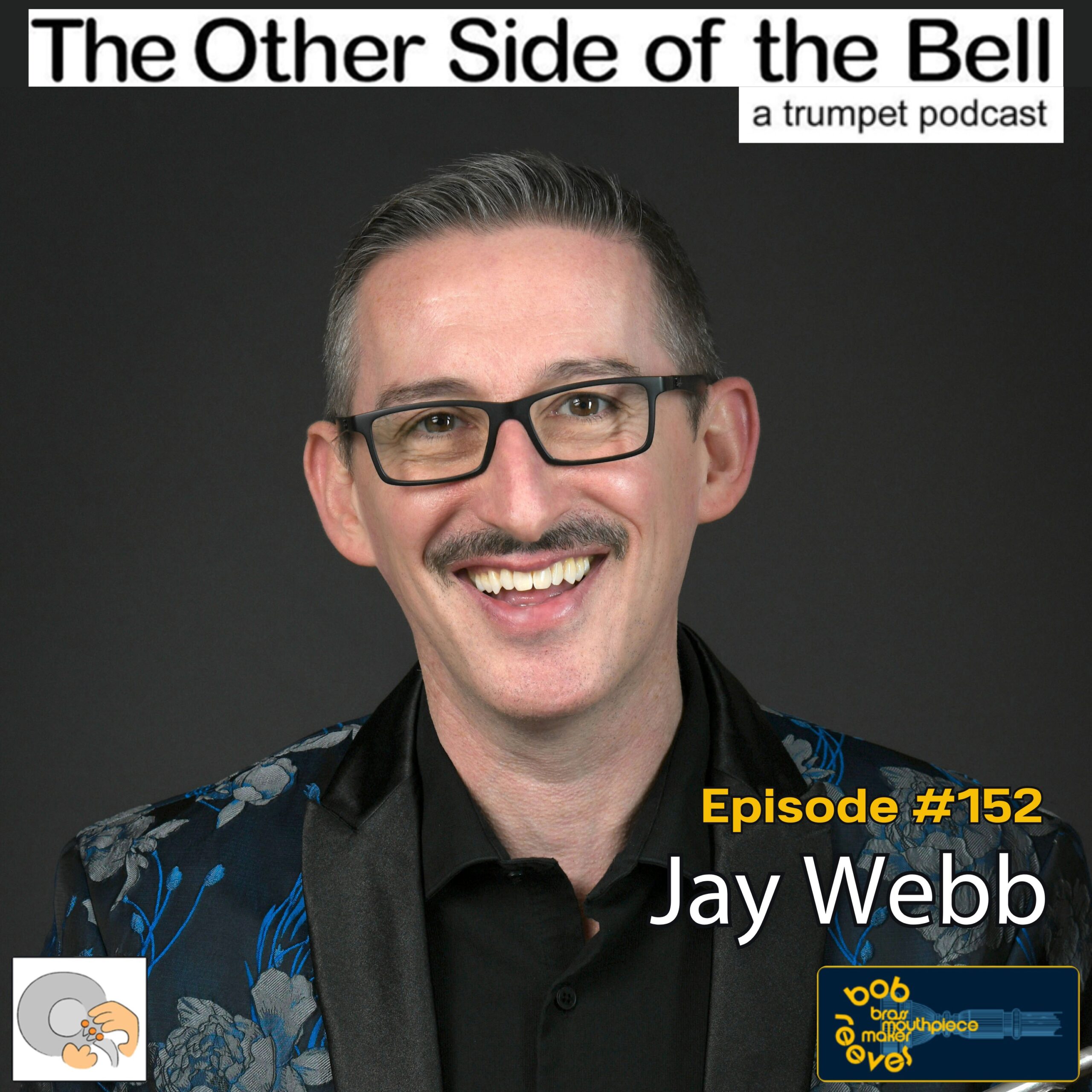
Welcome to the show notes for Episode #152 of The Other Side of the Bell – A Trumpet Podcast. This episode features trumpet performer Jay Webb.
Listen to or download the episode below:


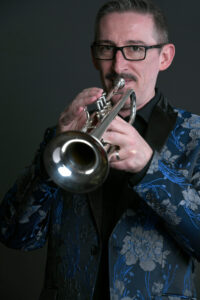
About Jay Webb
Jay Webb episode links
Upcoming Bob Reeves Brass Mouthpieces Events
-
National Trumpet Festival, March 20-22, University of Iowa, Iowa City, IA
https://trumpetmouthpiece.com/products/national-trumpet-competition-valve-alignment-special - Metropolitan Music, April 10-11, Seattle, WA
https://calendly.com/bobreevesbrass/metropolitan-music-valve-alignment-appointment - Arkansas Trumpet Day, April 18th, Arkansas State University, Jonesboro, AR
Podcast Credits
- “A Room with a View“ – composed and performed by Howie Shear
- Audio Engineer – Ted Cragg
- Cover Photo Credit – Courtesy Jay Webb
- Podcast Host – John Snell
Transcript
Please note, this transcript is automatically generated. It may contain spelling and other errors. If you would like to assist us in editing or translating this transcript, please let us know at info@bobreeves.com.
JOHN SNELL: Hello and welcome to The Other Side of the Bell, a podcast dedicated to everything trumpet brought to you by Bob Reeves Brass. We’ll help you take your trumpet playing to the next level. I’m John Snell, trumpet specialist here at Bob Reeves Brass, and I’ll be your host for this episode.
Joining me today is trumpeter Jay Webb.
We’ll get to Jay’s interview here in a moment after a word from our sponsor and some trumpet news.
[00:01:00]
JOHN SNELL: I am still recovering from my jet lag. Coming back from New Jersey, could tell my, voice is a little hoarse. what a great trip that was. we survived the, uh, you know, few feet of snow that, New Jersey got, Within [00:02:00] 24, 48 hours before I landed. and, uh, I brought some warm weather with me because, uh, it was in the mid to high forties the rest of the week, which helped, some of that snow burn off.
And a huge thank you, number one to Steve Dillon, Steve and Lynn Dillon out at Dillon Music and their staff, Jim and Perry and, the two Joshes and Freddy and Evan. And. Matthew, I’m, I’m sure I’m forgetting some. Oh, Jose and Dave, what a wonderful store they have out there. Of course, this is no surprise, they’ve been, one of the stalwarts in the, brass band, uh, you know, band and orchestra, retail industry for decades.
was just a wonderful visit. Uh, I was doing alignments. there was a line out the door when I showed up Thursday morning of, uh, trumpet players waiting to, get their horns aligned and try mouthpieces. And, uh, I was aligning right up to when I was packing up to go up to the road to, uh, Newark. So huge.
Thank you. Some shout outs, uh, uh, Ken and uh, Nick and some, podcast listeners. [00:03:00] New, some new listeners and some diehards. Ken came by with his wife, Paula and, uh, Holly, of course, I’ve met her at IWBC. She came by to get two more of her horns aligned and we had a nice chat, Nick and of course Christopher’s good buddy of mine.
Normally I see him at Adam Fest, so, uh, and I’m sure I’m forgetting some names as well, but. Uh, thank you again for listening and thank you for making the trek. Some of you drove, uh, several hours, to come in and say hi. meant a lot. And of course, I wasn’t there, long enough. I wanted to spend some time, chatting and consulting and stuff.
But, uh, man, they had me packed in with alignments. Up next, is the National Trumpet Competition that’s coming up here in just a couple of weeks. Again, the dates for that, uh, Friday to Sunday, March 20th to 22nd at the University of Iowa in Iowa City. So Brett and I will be there. the alignment link is up.
We’ll have that. in the show notes and in the description, uh, we’ve already got some people signed up for alignments. We sell out every single year at NTC. And I [00:04:00] feel bad because Sunday comes along. It’s only a few hours on Sunday, and we have to, prioritize the folks that have already prepaid for the alignment.
we’ve had to turn people away every year who either forget to sign up or they’re not sure, and that’s okay. I know, uh, some people have never done alignment before, but if you are considering doing it. Please hit that link and, secure your slot because there’s only so many alignments we can do there In Iowa, we’re shipping all kinds of fun stuff.
We still have a few of the guard bag, the fiberglass cases left. I think a couple doubles and I think maybe one triple left, uh, it might sell in the next week. They’re right behind me here. but uh, if they don’t sell here at the shop in the next week, we will have those at NTC. I’m bringing some cool Shires trumpets.
I have an E-flat d Q series that plays its socks off. Uh, we just did an alignment on it and I might keep that one for myself if no one buys it. At NTC, I have a a Q series piccolo, another great horn for the value, from Shires. [00:05:00] I have a Shire severance in that I’m bringing, uh, custom B flat. and I think another sea trumpet, a shire, sea trumpet that I’ll have there at the booth.
So some great horns, at great prices. ’cause we always discount a little bit at the trade show. As I mentioned, the guard bags and our, you know, mute freak.com. We’ll have all of our mutes, obviously the vin mutes that we make, but also the Charlie Davis, mutes, the Yukons, the uh, Clary Wood mutes, some Trump cores.
Yeah, great selection. Lots of fun toys. So, um, lots of reasons to swing by the Bob Reeves brass booth at NTC. Uh, we’re taking a few weeks off from traveling and then, uh, heading up to the Pacific Northwest where we’ll be hosted by Metropolitan Music. Paul and Jean McVicker up there, they have two locations and if you heard last episode, I got the wrong location.
I had a 50 50 chance. We will be at their Kirkland, Washington location. We’ll have the link below to sign up. There’s only a few [00:06:00] slots left, for that trip. so that we’re doing through a a calendar link. You set up an appointment, no need to prepay, but, you know, set up for the appointment, through the calendar link.
That will include below, the dates for that, April 10th and 11th. And because of the popular demand, we are also adding on Sunday the 12th. that weekend will also be the Washington, chapter of the International Trumpet Guild is ha holding their event in Bellingham, Washington. We’ll have more details of that once we get them, but we will be having to booth there.
So if you can catch us in Kirkland, on the 10th and 11th, Friday and Saturday. And if you can’t, but you can make it to Bellingham on the 12th. We will be there with all the mouthpieces and the alignments. And last but not least is the Arkansas Trumpet Day, April 18th at Jonesboro, Arkansas.
we don’t have links for that yet. hopefully in the next episode or two we will have those ready. That’s just a one day event. Short and sweet. so there’ll only be a few alignments, and that’ll just be me at [00:07:00] that. I’ll be going solo. So definitely only, only a few alignments because there’s only so much I can do in one day.
but that one’s gonna be great. My, uh, good buddy Riad, Samoas down there. Puts on a wonderful event. lots of masterclass and performances, and a pretty cool vendor room. Again, Jonesboro, Arkansas on April 18th. So that’s the travel. I have some cool horns in stock. I wanted to mention that, you know, we’ve been doing some consignment sales and, uh, I just picked up some cool horns.
A uh, a medium boar. Unfortunately, it’s not the large board Martin committee. but I, I, you know, I actually prefer the medium board more than the large, the large board committee is iconic, but the medium board to me just blows a little bit better, at least for the stuff I do. A little bit more manageable and a less pitchy.
But anyway, the one I picked up is it’s gold plated original factory gold plated from the early fifties, custom engraved all the way up the bell and the horn is in. Pristine condition. you’re not gonna find a Martin, medium or [00:08:00] large bore of that era in this kind of condition. literally looks like it’s got a few hours of playtime on it.
so we have that one up on the website. I have a couple other, I have a old, Mendez, trumpet, and an old Mendez. Long cornet, especially the cornet, you don’t see very many of both in excellent, excellent condition. A Selma radial. also have a cool old, uh, CT soloist model, one of the early models up on the website.
So some fun used horns that have come through here on top of the other, new stuff that we sell. other than that, that’s. All the news I have for today. Lots going on at the shop, still getting lots of calls and emails about the podcast keep ’em coming. keep the guest suggestions coming, in fact, uh, Jay today’s guest was, thanks to a suggestion and, our next guest was, thanks to a suggestion that I’ll mention in the wrap up.
Okay. Without further ado, let’s get to my special guest today, Jay Webb.
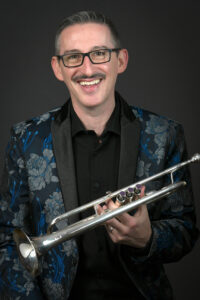
JOHN SNELL: [00:09:00] Jay Webb is one of today’s most versatile in demand trumpet players. Equally at home in the concert hall, the studio on Broadway and on major stages worldwide. He has performed with a national symphony orchestra and collaborated with artists, including Cory Wong, Shakira Lake Street Dive, ed Sheeran, John Legend, and the Grammy Award-winning eight bit big band. His newest project, the DST band Honors doc Severson with vibrant recreations of classic big band performances, A sought after clinician with a growing presence on TikTok, Jay shares performances, arrangements, and behind the scenes moments that connect new audiences to the trumpet when not touring. He remains active in New York City’s music scene through Broadway work and recording projects. Jay is a Yamaha performing artist and plays Yamaha trumpets exclusively.
And a quick note before we get to Jay’s interview, uh, Jay let me know that, he will be performing with Cory Wong, this [00:10:00] weekend, March 7th on CBS’s Saturday morning show called the Saturday Sessions. So, if you’re listening to this, when this first posts, check out Jay this weekend, March 7th on uh, CBS Saturday morning.
Saturday sessions. All right. Without further ado, here’s my interview with Jay Webb.
JOHN SNELL: Well, I’m so honored to have joining me today on the other side of the bell from the other side of the country in a much colder place of the country right now. Jay Webb. Jay, how you doing?
JAY WEBB: I’m good. Thanks for having me, John.
JOHN SNELL: Great to have you on here. Got your coffee, got the heat on, hopefully. And
JAY WEBB: I do the ventilation’s on.
JOHN SNELL: good, let’s go and let’s talk about the trumpet.
And I, I wanna start right from the beginning ’cause I’m curious how you started, with the trumpet. Did it find you or did you search it out?
JAY WEBB: Well, uh, that’s gonna be an interesting question and an interesting answer. Um, I grew up, my dad was a trumpet player, played in community bands for most of his, [00:11:00] his life played, you know, in high school, elementary school. but he also, he ran a community band for 40 plus years where I grew up in, in, uh, Hamburg, New Jersey, which is about an hour and.
Change outside of New York. Um, he was the president of the band. And so he was in charge of logistics, buying music, keeping the band running, uniforms, blah, blah, blah, blah, blah. And you know, I was kind of born into that, into that climate of community band, concert band. They also did parades.
so, you know, every weekend I was being dragged to a parade or, uh, as I got older, I became a member of the band, of course, and started playing, on the street as they used to say, oh, you’re gonna play trumpet on the street. Um, so you know that from that side of the family, my, the side, my dad was a trumpet player, so I was, you know, I watched him growing up, play trumpet and practice in the basement [00:12:00] and learning his.
tunes for the concert coming up or whatever, getting his, parade chops together, as he used to say. but then oddly enough, my mom’s grandfather, so my great-grandfather was this, apparently this trumpet virtuoso from Hungary who came over in the early 19 hundreds, around 19, 19 18, 19 20, and came into the, uh, into New Jersey area, Perth Amboy Carter at, and then later migrated to Franklin where, uh, my dad ran this band and it was the, the neighboring town of where I grew up.
he started a bunch of Hungarian bands in the 1920s in this area. And then. Became commissioned by the zinc mining companies of New Jersey to start these bands, different brass bands in different communities as a source of entertainment for the miners and the, and their families in these old mining towns.[00:13:00]
And so basically they gave him, you know, a commission or a stipend to get uniforms, buy instruments, and then he taught everyone in the community how to play. My grandmother used to say he would teach violin lessons, trumpet lessons, piano lessons, but he was basically like this, like sort of the John Phillips Souza of New Jersey that no one ever heard of in the, in like these mining towns.
And so, apparently he was also a really, really good trumpet player. So we have my mom’s side of the family, the Hungarian side trumpet player, and then my dad playing trumpet. So yes, I was kind of born into it and there was always around trumpets. And then on top of that, my grandparents, uh, ran, Webb’s News and Records, so that was always around vinyl and record.
We had records record players around, so music, music was kind of hitting me from all angles.
JOHN SNELL: you, you, you, you almost had no choice.
JAY WEBB: Yeah.
JOHN SNELL: It’s just
JAY WEBB: Yeah. It’s like, no, [00:14:00] I wanna be an engineer. I, I what?
JOHN SNELL: So what, what was your great grandfather’s name on the
Hungarian side?
JAY WEBB: Steven Bendis.
JOHN SNELL: Steven Bendis. Wow.
JAY WEBB: So there’s, there’s a couple of articles about him that I’ve, that my mom has dug up over the years. I have lots of photos of him, you know, holding the baton with the Hungarian band director, Steven a Bendis, and he is, has a baton and a trumpet in one hand. It’s, it’s pretty interesting.
JOHN SNELL: How cool. How cool.
And to carry on that lineage. so when did you actually pick up the trumpet for the first time? Do you remember? Or was it just like you always had one?
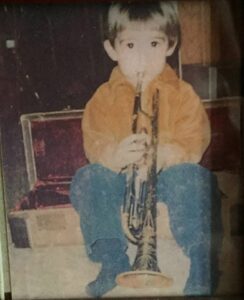
JAY WEBB: All I remember I was three years old.
JOHN SNELL: three I.
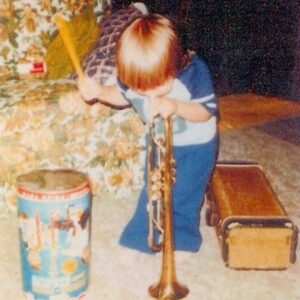
JAY WEBB: I remember I was playing my dad’s, one of my, I think it might’ve been my dad’s first trumpet. And, I remember barely being tall enough to lean over and play the horn. I couldn’t quite pick it up. Um, there are photos of this that exist, and I played it so much that the [00:15:00] bell became smushed on the end, just completely crumpled.
Um, and as I got older, and I, you know, fourth grade you start taking, you know, band and I remember waking up one morning. My dad had had it overhauled and didn’t tell me. And so I woke up one morning and I remember I was still in, in my small childhood bed. I don’t remember if it was my crib, but it was, it wasn’t a full size bed.
I remember rolling over and my dad had the case propped open. The horn was all repaired, and I was, I was blown away. It was like the best non Christmas pres Christmas present or birthday present I ever received. And I, I could still vividly remember it.
JOHN SNELL: How cool. So yeah, it, it sounds like you and were, did uh, your dad help you out playing, or was it a thing where you were just kind of tooting along on your own?
JAY WEBB: So I, I started just sort of mimicking everything that, that he did. And I would, you [00:16:00] know, go downstairs and pester him and sit next to him and kinda watch what he was, what he was doing. And eventually what I started doing was I was playing everything by ear, but I had no idea what valves pressed. So I was lipping basically everything, jingle bells and I could just kind of navigate it and manipulate the horn without knowing what I was doing.
And then finally I remember my dad going, literally, he just like looked down and went, well, I guess I could show you some fingerings.
JOHN SNELL: A very dad thing to do,
right?
JAY WEBB: Well, you know, he got, he got out some of the books that he worked on when he was a kid that I remember his, he may still have his old Arden’s book, uh, but I re Oh, he does. It was when they were two separate books. It was split in two books. It wasn’t the big, thick book that we all have come to know. and I remember him, he started writing Fingerings underneath so that I could kind of follow along and learn a little bit.
Like, oh, a g is open and a D is one and [00:17:00] three. Oh, all right. yeah, so that was kind of the start of it. And then, you know, I, I get into school band, no one really, I was kind of a late bloomer as far as learning how to read music. I didn’t really get into that until I was a sophomore in high school because I had developed my ear.
So that I could just hear something and play it back. So, so my music teachers would just say, oh, well there’s no point in, you already know it, so why am I gonna, you know, so I kind of fell in between the cracks as far as learning how to read at an early age.
JOHN SNELL: Interesting. So was it, you said it was like high school when you actually started kind of connecting the dots there and filling in
back, filling, so to speak.
JAY WEBB: And it was kind of, you know, you have honors band, you know, county band regions, Allstate, you know, I started to be exposed to that and I said, well, I, I wanna audition for that. That sounds like fun. And the wake up call was my freshman year. [00:18:00] I auditioned for county band, and I think I got last chair because my site reading was so bad.
I had no idea what I was looking at, honestly. It was like, it could have been in a different language. I, I had no idea what to do. and my high school band director said. Have you ever taken a trumpet lesson? And I said, um, other than my dad just showing me some finger rings, no, I got a guy. I said, okay, great.
So that’s my, about my towards end of my freshman year, sophomore year of high school, I, I finally started taking, you know, legitimate trumpet lessons and getting involved in Char and Arban and, you know, the pedagogy of trumpet.
JOHN SNELL: Who was your, who was your teacher? Was it a local guy or
JAY WEBB: Yeah. Local guy. And, you know, back in the eighties growing up, even though you were an hour and change outside of New York City, it was very hard to find teachers. We didn’t have the internet, you know, it was all about who you knew. [00:19:00] And my dad had trumpet teachers when he was younger, but they had all, were either older or retired or had passed away.
So he’s like, I don’t know anybody. They would call around to the local churches and see if a church organist would be willing to, I, I remember all of this and they couldn’t find anybody. So when I got to high school, my band director, Mr. Ky, he’s like, I, I know a guy. So I studied with, his name is Al Muci, he’s a local guy in North Jersey.
And, um, he sort of put me on the path of, okay, you wanna do this? Here’s what you need to do, let’s work on these books. And, you know, really changed everything. At that point. That was the beginning of me realizing, oh, okay, this, this is how this works. Now, now I can, I can settle down and really hone my skills and get this stuff together.
yeah.
JOHN SNELL: Interesting. Now, like in hindsight, do you think, you know, starting plane by ear and learning and [00:20:00] having that skill was beneficial?
JAY WEBB: I think it definitely helps get, your mind off of the technicalities and the, and the theory of certain things and helps give more the attention to creating music and, and, putting emotions and your emotions into things. Um, I, so, yeah, in that respect, I think it really does, it did make a, a, a big difference.
I, I remember the first thing I that I played realizing, other than the trumpet that I had an ear for music, was in my grandparents’ store. My dad. Would also sell like electronics, small musical instruments. And I remember one day picking up a harmonica and saying like, can I take this home? And of course my grandparents were like, yeah, yeah, they candy, whatever it was.
Oh yeah, just take it. Records [00:21:00] tapes. Yeah. So I took this harmonica home and I started blowing on it and I remember it was a Fruit Loops commercial that was on tv. And I remember there was like this hook baba, and I grabbed the harmonica and figured out how to play it. And then I realized, oh my God, I can play anything that I hear.
This is amazing. And so that kind of, I was like, oh, well can I do that on the trumpet? And then, you know, you know, what I spoke about earlier was, oh wow, I can actually do this on the trumpet. I don’t even need to know what valves to press down. so yeah, I think that definitely had a big impact of just.
Having fun and mimic mimicking sounds and recreating them. it. It’s, it definitely, I think, started to shape and mold the player that I am today for sure.
JOHN SNELL: Yeah. Planting the early seeds. That’s, that’s fascinating. not that you [00:22:00] would, you know, delay learning how to read music, I’m sure. But you know, in integrating that musicality the fun aspect from day one, I think.
JAY WEBB: Yeah. I think inadvertently it just sort of worked out that way. I, I think it can work either way. It’s just, for me, that’s, that’s how, that’s just how it happened. Whether that’s affecting how I am as a player, whether that would’ve happened eventually, I’m sure it would have, but it was just, that was the process for me and, and, and how it worked out.
JOHN SNELL: Hmm. So, uh, did you have any, professional aspirations at this point? Or was it a just thing you enjoyed doing and played in school?
JAY WEBB: So Johnny Carson and The Tonight Show was big growing up and I remember being obsessed with listening and watching Doc Severson [00:23:00] and of course I was young back then and Late Show, or The Tonight Show was on very late. And, uh, I remember, you know, every once in a while during the summers, whatever holidays, then I would beg to stay up and eventually I would, other nights I would not be able to stay up.
However, I would sneak out of bed and my parents had this. Their house, they’re still there. Same house I grew up in, but there’s a long hallway that leads a direct shot to the tv. So all I had to do was get out of my room and make the a, a sharp right hand corner. And there was a, there was a bench in the hallway that I could sneak out underneath and hide, and I could watch the Tonight Show until my mom would get up and maybe, you know, go to the bathroom or whatever and she’d walk by and catch me.
So I would numerous times try to do that [00:24:00] and just to get a glimpse of the opening or, or dock or playing, coming back from a commercial break, whatever it took, until I was caught
JOHN SNELL: That’s amazing. I love it.
JAY WEBB: so that, you know,
JOHN SNELL: that’s true dedication.
JAY WEBB: I, you know, it was just, I don’t know if it was the shirts, the outfits, the, the jackets or the playing itself, you know, but you. growing up with my grandparents were big fans of, of the swing era. you know, my dad being a trumpet player, we had albums of Al Hurt, herb Alpert, you know, the Glenn Miller Band.
And my, my grandparents had like the, uh, I guess it was Time Magazine subscription to like the different albums. And, and, and of course having a record store, my dad, the record rep would come in and my dad would, you know, choose oh, oh oh, what these, this is what’s hot, this is, you know, do you wanna hold this?
Do you wanna carry this? And so we always, we were always around music, always had vinyl eight tracks. it was just that sound that just drew me [00:25:00] to Trumpet and Doc and I had to see, I did whatever it took to see him on
JOHN SNELL: Amazing. And, and, but you thought that’s what I wanna do. Like that you just were
JAY WEBB: I remember telling my parents very early on, I said, one day I’m gonna replace Doc Severson on the Tonight Show. That’s, that was my goal from a very, very young age.
JOHN SNELL: Amazing. Amazing. What a and what a what an inspiration though, right? Like what a, what a guy to have as your, uh, as your idol. cause he, I mean, man, he could do it all. What?
JAY WEBB: Setting the level very high for my se.
JOHN SNELL: Very high. Very high. so obviously you’re watching The Tonight Show. You’re in school band. Like, what, what was the decision then?
Like, was it you go off onto music school or were you, uh, what did your path look like?
JAY WEBB: Yeah. I mean by, so by the time I was a senior in high school from my freshman year of making lash chair and, band to my senior year of high [00:26:00] school, making first chair in Allstate, first chair in county re you know, just, just taking it up an obvious level and looking back on it now, I say, wow, well, all those lessons really paid off, obviously.
And, you know, I got my stuff together and, and figured it out. And by probably my junior year of high school, I said, well, obviously I’m gonna music school that this is just, there’s, that’s without a doubt what I’m gonna do. Um, but at that point, you know, back in those days, I’m sure even now, it’s like people talk to you and, try to guide you in a certain direction and make sure that you have a backup plan.
And you know what the industry you’re going into is very difficult and what are you gonna do if you don’t make it? And those sort of things. So I, I was an education, music education major for the first. Two years of my college career, a year and a half, so to speak. And, and this also full disclosure, coming from someone who [00:27:00] hated school, I, I just, I, I didn’t do very well in school.
All I wanted to do is play trumpet, and that’s, what I spent the majority of my time doing. I played sports, but for the most part, trumpet was my priority, and I just knew I wanted to get to a certain level, and that’s all I wanted to do. Everything else was sort of on the back burner, just enough to get by.
So for me to be an education major, I knew that, well, I don’t know that this is something I want to do for the rest of my life. And I don’t, I, I dislike school and I don’t know that I want to be in school as a career. So that’s when I kind of switched gears and went towards more towards performance and just said, you know, and also as I’m getting, as I’m in college and surrounded by other musicians, you start to realize all these different opportunities and professors working and gigging, you go, oh, wait a minute, I could actually do this.
So I kind of switched gears and just really [00:28:00] focused on, back onto the performance aspect of things.
JOHN SNELL: So where and where were you? Were you out in, uh, the East coast
when you were
JAY WEBB: So here’s the thing. the first two years I studied at Wilkes University near just south of Scranton, Wilkes Bury, Pennsylvania. And the idea was, my trumpet teacher in high school, Al Musille, studied with this guy Bill Toner. Bill Toner, is I think, believe in Franklin Lakes, New Jersey still.
Bill was a direct, descent of Maurice Andre. He was a student of Maurice Andre. And so at that point I was also considering like, well, I could, I could play in a major orchestra. ’cause you know, I love Maurice Andre as well as Doc and Raphael Mendez. And, um, and so I went to Wilkes. I auditioned, I met Bill.
Bill is an unbelievable player, just the kind of guy that sits back in the corner of the room and [00:29:00] crosses his legs and plays the most beautiful piccolo trumpet solo you’ve ever heard. And he, and he just makes it look like he’s just ex, you know, exhaling that kind of guy. And so I wanted to pick his brain.
I wanted to be, I, I, you know, I wanted to learn as much I as I could from him. And so that was my decision to go to Wilkes. And then when I got there, I felt like I wasn’t really challenged. So. I had spent a summer at the College of New Jersey, which is, was Trenton State College back then. they had a Governor’s School of the Arts program for gifted high school students.
So I spent a summer there. It was the summer of my junior year, taking classes, playing in ensembles, and I really wanted to go there except my SAT scores were not great. So I didn’t get in. So at Wilkes, I decided, well, I’m gonna get my GPA up to a 4.0 and I’m just gonna transfer. So that’s what I did.
JOHN SNELL: Wow. A little [00:30:00] bit of motivation.
JAY WEBB: Yeah.
JOHN SNELL: That’s, I love it. And there’s always a way, uh, that’s, that’s
the thing, like,
JAY WEBB: there’s always a way. Yes. You want something bad enough and, and you focus, you put the energy into it, you can make it happen.
JOHN SNELL: Yeah.
JAY WEBB: so I did that and, that’s when I met George Rabat. If those of you out there who don’t know who George Riad, I know there are many of you that do.
George Rabat is one of my favorite people on the planet and also one of my favorite soloists that I have ever heard. he used to do a lot of commercials for the casinos then in Atlantic City. So growing up in New Jersey, I would see these advertisements on TV all the time. And there was a, the Showboat Casino, and they had a Dixieland band there, and George was the guy.
And I remember going, oh my God, I want to be that guy. That’s like, I gotta, that’s amazing. Well, I walk in the first day of Trenton State College, [00:31:00] now the College of New Jersey, and I hear this big band rehearsing and I look in and who’s conducting the ensemble? George Rabat
JOHN SNELL: George Rabat.
JAY WEBB: And I, I am like, oh my God, that’s the guy.
So. fast forward. You know, I, I audition for the jazz band. I meet George, George kind of takes me under his wing. I start learning jazz improv from George. and I’m learning more and more about lead playing and big band music. And, you know, now it’s like, this is it. This is, this is my chance to really hone my doc severance and skills.
Here they have a big band. I’m learning improv. It’s more of a performance based kind of kind of environment. There’s heavy players here. I’m back in New Jersey. I’m on, you know what I mean? And it really, George really motivated me and pushed me towards even more so towards the performance side of things.
JOHN SNELL: Oh, [00:32:00] cool. Uh, did you study privately with him or was he just in your jazz band director or,
JAY WEBB: So, uh, I was studying classical with, another. Professor there, Jim Stubbs, who was in the American ballet, I believe at the time, and I think also subbed at the, at the Met. And so I was, you know, still doing the classical thing and, and, a tubes, the beat shape tubes and all those things. And, but when I saw George, I said, all right, I need to pick his brain because this is, I, I, I started realizing that I couldn’t just be classical.
That there’s a wider scope of, opportunities if I start really going on the commercial side of things and learning that style and those styles and jazz and pop, and George was it that he was in it? So I switched teachers and I started studying with [00:33:00] George. and what’s funny is that George is also a really, really good classical trumpet player and does symphony work as well.
So I go, okay, this is the guy. And so George was like, listen man, you really wanna go down this performance route. There’s a small school in Philadelphia called University of the Arts. I’m a, I’m an adjunct faculty member there, and there’s a great jazz player named John Swana who teaches there.
And, uh, I think you would fit in well there. And I go, oh my, I’m gonna transfer again.
JOHN SNELL: He just got there, man.
JAY WEBB: I just got so, a buddy of mine, we were, I was principal, he was my, my assistant principal of the wind ensemble at Trenton State College. He was playing lead in the jazz band. I was doing split lead, also playing a lot of the solos.
and George convinced both of us to transfer to the University of the
JOHN SNELL: Oh [00:34:00] no.
JAY WEBB: and I, let me, let me back up a little bit. What, while, while I was at Trent State College, you know, George would bring in guest artists, to come in and, and that’s where I met Roger Ingram. So that led to me studying with Roger on a regular basis.
It’s when he lived in New my buddy and I used to drive up to the city and to Brooklyn and like once or twice a month and take lessons with Roger. So all these, all these different moves that I were, that I was making at the time may have been very stressful and absolutely stressing out my parents.
But at the same time, I had a vision of what I wanted to do and I knew in the moment where I was. It wasn’t challenging enough for me, and I needed to find something that was a little bit more challenging and surround myself with the best of the best. And I just kept going, going there and going there and going there.
You know, I auditioned at, to Julliard. I auditioned at, Ithaca, but, you know, I didn’t get into those [00:35:00] schools, so I just said, all right, I’m gonna, I’m still, I can still do this. And I took a longer route, but along the way, I met so many influential people that, you know, it’s, I still benefited from all the moves that I made as difficult as they were.
JOHN SNELL: Yeah, you’re broaden, broadening your network and getting exposed to different things. I’m curious, what, what was it like studying with Roger?
JAY WEBB: Man, I’m telling you, uh, and I, I say this to a lot of trumpet players. When I started studying with Roger, I, I could play like a d above the staff, maybe an E flat. Then I went to Roger and literally gained an octave in my range. I was, you know, all of a sudden, like, not all of a sudden, but, you know, after some time and a different mindsets and different approaches, it was like, oh, wow, I can play double A’s and double C’s.
Okay. But it was just, you know, and then through Roger, I, I, I took a couple lessons with Bobby and I, I, [00:36:00] about six or seven years ago, I was in Albuquerque, you know, and I called up Bobby, I drove to his house, and I hung out for like two hours and just kind of, I said, Hey, can you just watch what I’m doing to make sure I’m not doing anything weird?
You know, and like, weird habits or, you know, he is like, yeah, yeah. So again, all the, the, this, this, path that I took literally led me to all these different people. And I don’t know that I have, if I did not take the same trajectory or the same path, I don’t know that that would’ve been possible.
JOHN SNELL: Yeah. Yeah. Amazing. So what, what was it like going once you moved to Philly?
JAY WEBB: Philly was that, I mean, thank God I listened to George. that really changed everything for me as far as playing opportunities. you know, and I, and I had been gigging early on, uh, going back to high school, my first club date as I call ’em here in New York, or, or wedding band gigs. I was 15 years old.
[00:37:00] My band director, Mr. Just Ky was like, Hey, I play in this band. We play weddings, but you can’t tell the guy, you’re only 15 years old, just say, you’re, say you’re 17 and your mom’s nervous about you driving, so I, you’re just gonna ride with me. And I’m like, okay. A.
JOHN SNELL: So you were, you were already working, you were already freelancing.
JAY WEBB: So I was already freelancing at that time. And then, you know, when I went to Wilkes, I was, I played on a, that’s a very Polish polka town, and I played on a number of Polish, polka records, did a couple TV shows in and around that area. did some touring in some polka bands. Played some festivals.
Same thing happened when I, when I went to Trenton State, I was still kind of driving out there and gigging and doing recordings and whatnot. And then when I got to Philly, I remember early on in my ear training class, one of my professors walks in and, and he’s like, Hey, are you working New Year’s? I’m like, no.
He’s like, well, okay, well you are [00:38:00] now. I said, okay, cool. He is like, yeah, we’re doing this show in Atlantic City, blah, blah, blah, blah, blah. and everyone in the class just kinda looked at me like,
JOHN SNELL: Who’s this guy?
JAY WEBB: like, what, what, what? And I, and I didn’t think anything of him. I’m just like, oh, yeah, yeah, I’ll take the gig, man. Cool. So yes, I was very early on working gigging on the scene. that’s just kind of how it worked out.
JOHN SNELL: So, so yeah, moved to Philly. You get into that scene as well. Um, what, where did your plane go after being at that school? I mean, what, uh, you, you had already studied with Roger. You had already were starting to pick up all these different influences.
JAY WEBB: I spent two years at University of the Arts, meeting again, different guest artists would come in, networking with them, picking their brains, studying with as many people as I could. and then an opportunity came to me that was playing on Bourbon Street in New Orleans, five nights a week, 51 weeks outta the year, [00:39:00] something crazy like that.
401k health benefits and a contract. And I was like, okay. then I was also, I, I sent an audition tape to the Army Blues because they had, uh, an opening at that point. Matt Neese was, was the guy running the band at the time. So I recorded an audition tape, with the University of the Arts big band sent it in.
He is like, man, you sound great. You should come down and check out the band, sit in, see if it’s something that you really, you know, you want to pursue and if it’s your thing. I’m like, okay, great. at that point, it was my sixth year of college at this point, and, uh, I went to the big band director as well as the department chair.
Um, big band director was this guy, bill z Cagney, who, was one of the greatest musicians I’ve ever been around. Sax Doubler, just unbelievably knowledgeable about big band and, and an an [00:40:00] i, an icon in Philly.
JOHN SNELL: Hmm.
JAY WEBB: and he passed away a, a number of years ago, but just, I can still picture him, man. Just such a great guy.
and I walked into his office and I said, listen man, I’m kind of done with school. And he goes, yeah, I know. I go, but I have these two opportunities and I don’t know what to do. And he said, well, I, I can’t tell you what to do, but I, I will tell you that either one of those is a good option for you. And then one of the other trumpet professors there, by the name of Rick Kerber, who was also a fantastic trumpet player, musician who, who passed away a few years after I’d, I’d left college.
unfortunately, but man, I said the same thing to him. I go, what? What do I do? And he said, either one of those, you’ll be fine, but I’m not gonna tell you what to do. But. It came down [00:41:00] to, as silly as this may sound bootcamp, I said to Matt, I go, so eight weeks of bootcamp, he’s like, yeah, yeah. Can I bring my mouthpiece?
No. Oh, dude, I can’t do that. And that was it.
JOHN SNELL: That that seal the deal.
JAY WEBB: That was it. I was terrified of bootcamp and not being able to play the trumpet. And I said, I’m out. And I chose the New Orleans gig and I moved there lived there for about three and a half years, four years. And I did that. I did the Bourbon Street gig for about a year, and then I started to freelance around the area doing, you know, corporate gigs, Mardi Gras balls, Dixieland gigs, and, playing with a lot of New Orleans icons, some of the Neville’s, uh, Jimmy Maxwell, who was Al Hurt’s cousin.
I played in a big band, the John Mahoney big band, which was a really well-known big band. It’s [00:42:00] where I first met Nicholas Peyton when he was really young. I mean, it was just, you know, and talk about influences. just being in New Orleans in the late nineties, early two thousands prior to Katrina, culture was completely different.
and it was just, I mean, know, I was just soaking up everything, the styles, a lot of play, like the older players took me under their wing. And, you know, I remember going on a Dixieland gig and I was studying with John Swana at the time. So I’m, you know, I’m thinking Mr. Bebop and I go in this Dixieland gig and start playing all this bebop and this, I remember this, this guy Al Barlow, I will never forget his name, and he said on the gig, there’s no bebop in Dixieland.
I, I, we’re in the middle of a gig. It is like the Sheraton down downtown, and we’re playing all this Dixieland. There’s people all around. I’m, and I’m like, what? [00:43:00] There’s no bebop in Dixieland. And I go, okay. And he, he’s like, he literally told me, sit this one out and just listen. And he goes, you have to know your role.
he’s like, the clarinet embellishes, and it’s over the top and trombone, blah, blah, blah, blah. I do this and piano. He goes, your job is to stick to the melody and just sort of ornament around it, but you’re just, you’re just kind of there. And he goes, stick to the melody. And I’ll never forget that, that piece of advice, because he was absolutely right.
I was playing in the complete wrong style and the wrong mindset for what it was. You know, as a young player, Hey man, I got, I learned all this stuff. Here it
JOHN SNELL: Yeah. Yeah. You’re out to prove yourself and you’re getting a, yeah, you’re on the band, band swinging, and you want to just [00:44:00] pull out your hottest beebo licks on, uh,
Muscat Ramble or something.
JAY WEBB: exactly. Yeah. What, you know, know your place as they say. Well, I, I figured it out. Then I found out later that this gentleman played with Louis Armstrong. So I go, okay,
JOHN SNELL: Yeah.
Yeah. What a, what a lesson to learn. when you were down in New Orleans, where did you, take any lessons or were you just kind of, uh, absorbing from the folks you were playing with?
JAY WEBB: I was just kind of, soaking it all in. I did, I didn’t study with anyone. but, you know, I was just, I was doing so many different types of gigs and even, even like pop gigs and, and. Corporate gigs down there are so different than they are on the East coast because there’s, there’s a bit of like Cajun sort of grit to, even if you’re doing a pop tune, there’s also, you know, pop music, even in the sixties and [00:45:00] seventies in New Orleans, you had all these, these different, you know, sixties and seventies, artists that had a different sound than the artist up here in the east coast or, or west coast.
And there’s a bit of a like, kind of a grit to it, even like stuff with the horn section. So it was, listening to like Dr. John for, for example, you know, that, that you listen to that music. That’s a completely different take on maybe blues that’s happening, in St. Louis or even in East Coast or West Coast.
It’s like, it’s like the funk scene, you know, east Coast Funk, Oakland, Minneapolis. It’s so different and you have to learn. The, the slight nuances of all of it. And so I was just kind of like soaking all of it in as much as I could.
JOHN SNELL: Yeah. Incredible, incredible. How was Mardi Gras down there? That was
JAY WEBB: Oh man. My first Mardi Gras, I don’t even remember it. We were, that was the only week we were off.
JOHN SNELL: really,
I figured that would’ve been like.
JAY WEBB: because it was, it was so hard to get in the French Quarter and get to Bourbon [00:46:00] Street that they just gave us the week off and they just, they just had DJs and we just, so I would just do other things.
I, I was actually in a couple Mardi Gras parades on the float playing and throwing beads. It was nuts as crazy.
JOHN SNELL: Wow. So, what, led you to leave New Orleans? it seemed like you were working a lot down there.
JAY WEBB: Yeah. I, I was, it was a bit of a struggle though. Freelancing, not gonna lie. as much as I was playing, it’s. It’s sort of seasonal because Mardi Gras season, you’ll be playing every night, sometimes two gigs a day, but then after that it really, it kind of dries up. And then you’re either doing strictly weddings or you’re back on Bourbon Street.
And at that point it was after nine 11. And so our contract was kind of, kind of dissolved. And, other than that, the other clubs weren’t paying what that club was paying. [00:47:00] And so you were back to kinda like hustling and really, really trying to hustle to get your, to pay your bills. And I knew that I had a lot of connections still in the Philadelphia area.
So, my wife at the time, you know, we decided all right. we’re gonna move to Philly ’cause I know there’s work. And then as soon as I moved, as soon as I made a couple of phone calls that I was coming back, it was like I just started booking gigs like right away and just getting right back into the scene.
JOHN SNELL: Well, that’s good. Again, you mentioned earlier the connections from going to so many different schools and so many different areas.
you know, and we’ve had a number of guests that have moved around and talked about, well, yeah, I made some calls. Like, what? Like what does that phone call look like? Is it just a, hey, just letting you know I’m coming back to town, or,
JAY WEBB: Yeah, I mean it was like, you know, I had been on the scene for, for two years while in, in college and I worked, when I was in college, once I got established, you know, after that, opportunity of, Hey, are you working New Year’s? I was playing in a [00:48:00] band, one of the biggest cover bands in South Jersey, Philly area called Don’t Call Me Francis.
And the band still exists. I was playing six, seven nights a week with that band in college. I mean, and it was insane.
so there was no lack of work for me. So when I said, you know, and of course everyone was disappointed that I was leaving town, like, wow, you’re really gonna move to New Orleans.
So, you know, and I kept in contact with everyone and, and, and sometimes they would, people would come down and visit and sit in with the band or whatever, but yeah, you know, I would just, I made a phone call. I said, I’m moving back. And instantly that kind of just snowballed into, Hey, did you hear Jay’s coming back?
Jay’s coming back. And then people started calling me for work and I was doing, you know, local theater there, doing the club date thing, weddings, you know, and that’s, yeah. And then, you know, eventually I moved up here to New York and same kind of thing, [00:49:00] connections, phone calls.
JOHN SNELL: Yeah. when did you start playing with, uh, with Corey? How did that come about?
JAY WEBB: that was, I started subbing probably in 2018, I think was the year 20. It was prior to the pandemic. We did a couple one-offs here and there. And again, that connection came from, a friend of mine, Sam Greenfield, who I met in Philly. Now, Sam was a, was a few years behind me, but went through the URS in Temple and was a Philly guy and kind of knew, I think we had maybe done a big band gig together, but we sort of knew each other.
And, uh, when Corey came to the East coast, he got connected with Corey and they needed a trumpet player, to sub on a couple gigs. so he gave me, I remember getting the text. The text was, Hey, are you available to do this? Blah, blah, blah, blah. Corey Wong and I was on a different tour at the time, and the guitar player, I read it out loud and he goes.
Take the gig [00:50:00] and I, and I, I just turned around. I’m like, what? He goes, take the gig. I go, I don’t know who this is. He goes, dude, Cory Wong, horn heads. And I knew who the horn heads were, and I go, oh. And it’s like, yeah, yeah, I’m good man. I’m in.
JOHN SNELL: Just
like that.
JAY WEBB: yeah. So I, I subbed on it, in St. Louis, I think was the gig.
you know, and then the pandemic hit. And, there’s a couple opera I, Steve Strand, who was the longtime horn heads lead trumpet player with Prince and, and great, great trumpet player based in Minneapolis. he had had some health issues and so they called me to do long notes, uh, season two, the YouTube series, with about a week’s notice and said, Hey, can you come in and, and.
We’re going to record this album. And that’s basically after that happened, was sort of, okay, the gig is yours, you know, kind of, so to speak.[00:51:00]
JOHN SNELL: Geez. Yeah. So
by that point, you, you had already, you said you were already on tour. I mean, had you
already done some recording and touring
JAY WEBB: yeah, I was touring with a group called The Midtown Men, which was the four original cast members of the Broadway Show, Jersey Boys. And I did that for about 12 years, I guess. which was a, a good, you know, good run. It was a fun gig. Uh, traveled a lot, most of the United States and into Canada with those guys.
JOHN SNELL: So you had already experienced the road. You’re already a road warrior.
JAY WEBB: yeah. Yeah. I, I, yeah.
JOHN SNELL: So then, the first album with Cory, I mean, you said you had a week to get that
stuff down.
JAY WEBB: Originally the phone call was, we’re gonna do a, a record. Can you fly to Nashville for the week? Okay. Yeah, no problem. I’ll send you the charts. Okay. So I sent Michael Nelson, longtime arranger for Prince and with Corey and, Minneapolis based trombonist. Um, I was like, okay, send me the charts.
I get the charts. And I, I’m like, oh my [00:52:00] God. Okay. This is, this is a lot of work. So then it became, well, we’re, there’s gonna be wardrobe. Oh, okay. Wardrobe. The next email was, we’re se we’re filming season two, the long notes. Oh, okay. So I walked into a sound stage. Wardrobe, hair and makeup. Cameras everywhere.
Recording. Yeah. We’re gonna shoot long note season two, but we’re also gonna simultaneously record the, the album.
Live. Okay.
JOHN SNELL: I, I, I, I bet you’re thankful that, uh, doc Everson was your inspiration and not, you
JAY WEBB: I’m
JOHN SNELL: Chet Baker or something to see, you know, hearing those charts.
JAY WEBB: I, I, I honestly had no idea what I was walking into. I didn’t. And then while I was in the moment, you know, it was, it was sketch comedy, [00:53:00] it was memorizing lines, it was this and that, and being a part of something much bigger than I initially thought. And yeah, that was the beginning. I mean, that, that was it, you
JOHN SNELL: Yeah. And that was, you said 20 18, 20
JAY WEBB: that was, that was like 20, 21. So it was just coming out of like COVID, ID we were still sort of wearing masks. It was just before our official first, Corey Wong headline tour.
JOHN SNELL: Yeah.
Which, yeah, and I think during the, COVID era was like, well, at least from what I experienced was like really took off. ’cause you guys were so prominent on social media and on YouTube and streaming and providing
content even when people weren’t able to tour yet, you know,
uh, to Corey and his management’s credit, you know,
JAY WEBB: yeah, that’s, that’s, by the way, that’s all Corey. he just has a vision and he does whatever it takes to get there. And, when he has puts his mind on [00:54:00] something, he has an idea, it’s all right, we’re doing this. I don’t care how we get there, but we’re gonna get there and we’re gonna do it.
you know, his social media presence obviously is, is what it is. Everyone knows. and he continues to do that. And yeah, we were just coming outta the pandemic and still wearing masks on the bus and. Going into venues with masks and people coming to the shows and masks, and then it’s just, it’s just sort of, kind of taken off from there.
JOHN SNELL: Amazing. Amazing. So how, uh, I mean, it’s been a few years now. I mean, how often are you on the road with, Corey in the band?
JAY WEBB: it’s enough to balance, you know, home life and touring life. we do tour quite a bit. The beauty of it is as we go out for a period of about four at the most five weeks, and then we’ll be off for a couple months. and so it’s nice that it’s, it’s kind of broken up a little bit. So we’ll do like an east or a Western [00:55:00] conference, then we’re home for a few months.
maybe go to Europe for a couple weeks, come home for a few months, regroup. Then we will do like an east coast or an eastern conference, as Corey likes to call it, for about four weeks. And we’ve been doing that since, I mean, 2021. and it works out nice that way because you can balance not only your home life, family life, but it also helps you balance, you know, working locally and, and having work to come home to.
And, you know, when, when you come off the tour, you’re not scrambling, oh God, what am I gonna do now? I’ve been, I’ve been away for six months. it’s not like that. So, which is, you know, I’m very grateful for. It’s nice.
JOHN SNELL: Yeah. So when you are home, what kind of work are you doing? So, recording and or freelance stuff still.
JAY WEBB: Yeah. So I do a lot, I do a lot of recording here in, in this booth. we do a lot of remote recording now with Corey. Some of the studio records we’ve, I’ve done, I’ve worked with a bunch of other artists, Ben Rector, Snoop Dogg. I [00:56:00] just did a film score recently, a couple of music cues, but I spend most of my time doing Broadway, just subbing right across the river here on, on several shows.
that keeps me busy. So I’m very grateful for all the, all the cats that I sub for.
JOHN SNELL: Well, that’s good you have that, There’s enough work in, uh, New York still, in the pits to when you’re in between tours, you can still work and keep the chops up.
JAY WEBB: Yeah. Yeah. It’s a cha and it’s definitely a challenge. And, and being a sub, you know, I had a show for a while, which was, uh, spam a lot. I took over for one of the trumpet players, for a couple weeks and then it closed. But being a sub, it really keeps things interesting. It’s also challenging because you have to keep.
All of these shows at a certain level because you never know when you’re gonna get called to do a show. You could, you could not get called to do a show for two months and all of a sudden get a call at [00:57:00] three o’clock in the afternoon. Hey, can you sub for me tonight? Show’s at seven. And you have to be able to say yes.
with confidence and be able to go in and do, you know, the show proper. and so for me it’s sort of an, an added challenge that I enjoy doing and keeping all those books at a high level.
JOHN SNELL: Hmm. Amazing. How many shows do you sub on?
JAY WEBB: Uh, right now I’m on five shows, but, but, but my re but my record is seven.
JOHN SNELL: Gee. Wow.
My
gosh.
JAY WEBB: was about a, about a year and a half ago I was at seven different shows. It was fun.
JOHN SNELL: that’s a lot. That’s a lot of music.
JAY WEBB: It’s
JOHN SNELL: a lot of cues.
JAY WEBB: Yeah, yeah. Yeah.
JOHN SNELL: I have a couple, uh, a couple of artists that you’ve worked with that I, I want to bring up one, um, ’cause, uh, a dear friend of mine, it’s one of his favorite groups, lake Street Dive. Can you tell
me how, how you’re connected with them, uh, did you tour them or record with them, or what?
JAY WEBB: I guess you could say I kind of tour [00:58:00] with them. I had officially been on the bus, so I guess you could say Yes. Um, well, the, the funny thing is networking. Is that Lake Street, Dive, Cory Wong, there’s a number of artists that are sort of in the same kind of circle.
uh, Lawrence, the band, uh, couch. who else? I feel bad leaving any, anyone out, but, um, they know who they are. and they know we’re, we’re all sort of connected. Uh, Sammy Ray and Friends, it’s another band that we see on the road a lot. and with Lake Street, the hunter tones, horn section, which is John Lampley, Chris ot, and, and, um, and Dan White.
Well, John Lampley and Dan White are in Corey’s band, as most people know. And, uh, John is also on the Colbert Show. And when John’s not doing Colbert, we like to have him come out and sit in with us and play a couple shows, but he’s super busy. But [00:59:00] anyway, the hundred tones are the horn section for a Lake Street dive.
And so when John can’t do the gig, Dan or John will call me to see if I’d like to sub. And so I subbed for John a couple years ago for a few shows and they liked the way that I played. And so now when John can’t do it, I get the call to come sub for him. So yes, I’ve done a number of shows with Lake Street.
I’ve also done a number of shows with them as a just solo trumpet. when the a hundred Tone couldn’t make the gig,
JOHN SNELL: So just toss
J out
there.
JAY WEBB: we just want you. I say, well, you want just me? I go, who else? Who else you gonna, who’s gonna get to play trombone? They’re like, no, no, no, we just want you. Uh, okay.
All right. So, you know, I show up with my pedal board and, and kind of do some octave things and some trickery and, and I did two shows with them in, in Chicago and it [01:00:00] went over well, and, and it was great. And they’re great people. I love Lake Street, Rachel and, and, and Bridget yeah, it’s a fun band.
Great music. The horn arrangements are great ’cause they’re done by it, by the hunter tones, Chris and Dan and, and, and John. They all kind of share and take part in the arranging and it’s, it’s a lot of fun. Great, great band.
JOHN SNELL: how cool. I mean Lake Street, uh, Cory Wong. Um, and then the, the other one I wanna talk about is the eight peak bit, eight bit big band. Sorry, say that five times
JAY WEBB: Yeah. Yeah, I know.
JOHN SNELL: I like it is so inspiring because first of all, they’re first great groups, but also because they’re so prominent on social media and on TikTok and things, it’s, it’s bringing another new generation into the fold for musical instruments, band and orchestra instruments.
You know, people are seeing,
eight bit big band and saying, oh, that’s my video game. Music played really well. On trumpets and saxophones and trombones. So how
did you get involved with them? And tell us a little bit about, that group.[01:01:00]
JAY WEBB: So I’ve known Charlie Rosen, who is the curator of eight bit big band. I’ve known him for a number of years, probably, I don’t know if I remember, maybe 2000. 12. It was bef way before I moved, to New York area. and I played in a funk band with him. and we had like a, a gig in the village somewhere, and it was with a, a Broadway singer.
he was also friends with a guitar player that I toured with. And, you know, I kind of just kept in contact with Charlie, for a number of years after that. And then, you know, he started working on this eight bit big band project. I think I’m on the second album, I believe, I know I’m not on the first album, second album.
you know, I’d been regularly coming to New York and working in the city and, and I would do some like off Broadway things with him. he was just getting the, the big band together. And he, like I said, he had the first album and, You know, [01:02:00] it’s kind of that thing of where you’re, you’re networking and with different players, and he just called me and said, Hey, can you do this session?
We’re gonna do three tunes at, um, at Power Station. It’s like, yeah, okay. So I went in and I played lead on a couple, a couple things, you know, basically that that was it, you know, doing a couple sessions with Charlie and, and, and, uh, and then I, I think I’ve been on like three albums now with them.
The latest one. you know, again, just being in the right time, but also networking with people, establishing these friendships, keeping that line of communication open, being on the scene, and showing up prepared or overly prepared as how I always like to think about it.
people remember that. And when it comes time to fill their big bands or their sessions or their recording sessions, they will remember you showing up to the gig early, coming prepared, and you have a great attitude. People [01:03:00] remember that, and that’s how you get the gig.
JOHN SNELL: That’s how you get to gig. Absolutely. and speaking of gigs, you’ve, you’ve decided, instead of being, uh, in the horn section or in the big band to start doing your own project, right. The, the DST band, can you tell us
a little bit about that?
JAY WEBB: so that’s, that’s been an idea of mine since prior to the Pandemic where I really got into transcribing doc’s solos from the Tonight Show, band, era specifically. Big surprise. those albums were also a couple of the, two of the first CDs when compact discs came out that I purchased. So I was obsessed with them very early on and.
I decided that I was gonna transcribe these solos, but I was gonna transcribe them, very meticulously, so that anyone that was gonna read this transcription would know exactly how to approach every note and every nuance [01:04:00] in the way that doc approached it.
JOHN SNELL: Hmm.
JAY WEBB: And so by doing that, it led me to learn these solos and to learn every nuance of doc’s playing.
And, and I obsessed over how he would do vibrato or how he would do alternate fingerings to get a certain sound or a kiss off of a certain note, or how his phrasing just stretches beyond what’s natural for anyone. And that made me discover that what. What makes Doc so different than everyone else. So by doing that, you know, people would say, well, when are you gonna perform this?
You should absolutely do this. and so that kind of inspired me to actually get things going and perform these transcriptions in the style of Doc with a Tonight Show band, big band. So that led me to just before the pandemic, doing [01:05:00] a couple demos and recording it in the studio so that I had something to present to people.
And, um, yeah. And so now it’s kind of, it’s kind of morphed and, and gone into, me as a guest artist in different universities and uh, and, um, I just did the, Southeast Missouri State University Clark Terry Jazz Festival as a guest artist. And we went in and played seven, tonight show band charts.
I played the severance in solos as I transcribed with the band and did some clinics with, uh, about 500 plus high school kids. And, uh,
JOHN SNELL: Wow.
JAY WEBB: so that’s, that’s my goal is to really get out on the road and start doing more of that. And, and like you said, and you know, with eight big band being out there in social media, video game music, we, we’ve really sort of touched, and reached this, this new, um, demographic of, you know, young aspiring musicians, into big band music.
[01:06:00] I’ve also noticed, noticed that with my social media, with TikTok of me posting different big band solos or whatever, adding horns to pop tunes, the kids are out there, they’re the next generation is, is hungry for this style music. Believe it or not, some of ’em don’t even know what it’s called. I’ve had people on my tiktoks, you know, I, I do like a Louis Armstrong solo and, and they would say, what is this?
What, what is this call? What style is this? They, they love it, but they just don’t know what it is. They don’t know how to search for it. ’cause they have no idea what it is that they’re listening, so why it, they’re out there. And so by doing, you know, things like clinics and Ja and jazz festivals and, and bringing, you know, the style of Doc Severson specifically the eighties and the nineties of Doc, it’s sort of like a lost art that I think these kids don’t know about.
and I think with, with Eight Bit and, and bands like that, video game music, it’s sort of like there’s a crossover now because [01:07:00] they’re, they’re introduced to that style of music that they can connect with, but then they realize, oh wait a minute. there’s this. Swing error and big band music, that’s sort of the same thing, but different, but I know I like that sound, and so it’s kind of like draws them in.
It’s really interesting.
JOHN SNELL: Yeah. Yeah, it’s interesting. It, it kind of parallels I look like with my parents’ generation growing up. you know, the early cartoons would have like a lot of the great classical, you know, soundtracks. And then when I grew up it was classical and jazz and Louis Armstrong stuff. And you hear those with, well, you know, as background music to the cartoon.
And then you realize, yeah, oh wow, that is kind of a cool sound. What is that? And that curiosity. And, now kids these days are on their phones for better or worse, but. We can reach them, you know? And
you are.
JAY WEBB: Yeah. The, the trick is if, if you give them 13 seconds, no shorter, no longer of something really [01:08:00] interesting, and it could be jazz, you’ll suck him in baby.
JOHN SNELL: Yeah. Yeah. So, so when, when did you start your TikTok? and was it just on a whim or did you do it strategically, what, how did that start?
JAY WEBB: So that became, a pandemic thing. So this booth all due to C um, you know, we were all in lockdown and in our apartments, and I was still kind of practicing and shedding and, you know, my neighbors were pretty cool for about the first month. But then after that, and we realized we, we may be here for a longer period of time, that’s when the notes started to appear on my, on my door.
And, you know, no, no one was, was abrasive about it. They understandably, they were like, can you not play after eight o’clock?
You know? And then that’s when I decided, all right, I, I have to do something. So that became the purchase of this fine whisper room here. [01:09:00] Then I really, TikTok was more of a creative outlet for me, is how I looked at it, because I had nothing else.
What else was I gonna do? My gigs, they’re all my gigs were gone touring, everything was done. and I thought, I’m too old for this. No one wants to hear what I have to have to say. And, and you know, the tiktoks for Kids social media is, is whatever. And so, you know, I just started putting up videos of whatever.
Um, I think the first viral video that I had was me playing, uh, Louis Armstrong, LA Ion Rose. And I posted it and I woke up the next morning and it had 30,000 views. And I went from, like, I went from eight followers on TikTok to about 5,000. I said, oh, okay. That’s, that’s interesting. so I just kept doing it.
I just kept, I never got into it to think I’m gonna be an [01:10:00] influencer. I’m gonna post things to make me famous. I did it because it was something that I, genuinely enjoyed doing. It was something to do during the pandemic. And that sort of led into an idea of mine where I started adding trumpets and horn sections to songs that never had horn sections.
And then that became very trendy. And I didn’t know it at the time, but I, again, I was just doing it out of, creative, you know, outlets. And then that became a thing where they would go viral and I would have hundreds of thousands of views. Then I would wake up the next morning and I’d have 30,000 followers and then rinse and repeat, 50,000, a hundred thousand, 200,000 followers.
Videos are starting to get millions of views, and again, didn’t do it to become famous. I did it [01:11:00] because I was having fun and it was nothing else to do. And I, genuinely enjoyed doing these arrangements and posting just trumpet goofy videos. And I was doing it to K-pop to tunes, country tunes, pop tunes, whatever, whatever.
I thought, oh, this would be really cool to do, uh, Disney Tunes. I was basically doing like trumpet karaoke, uh, playing fugal horn to Disney ballads and honestly, what else did anyone else have? What did they have to do but sit on their scroll, on their phone and be entertained? So I was entertaining people.
I was entertaining myself, and somehow it became. me being considered an influencer on social media, which is fine, I guess, you know, I don’t make a ton of money here as an influencer, but again, I, I do enjoy it. I still enjoy it. I don’t get to do it as much now because I’m actually working, you know, I’m, I’m [01:12:00] being a musician like I should be.
it’s a really interesting path that kind of came outta nowhere and, I gained a lot of fans and a, and a bigger fan base where I’ve traveled to India and people in Mumbai know who I am because they follow my TikTok or I, I go to Beijing and people know who I am because also because of Corey, but you know, directly because of social media.
So it has definitely helped my career. I never set out for it to do that. That was not the goal.
JOHN SNELL: Interesting. And when did you start doing, your live streams? When, when, in that
JAY WEBB: That was during the pandemic.
JOHN SNELL: Still at the same while you were doing like the, the little videos. You were, going live and, because That’s all right. I think I’ve learned about you the first time was I was so yeah. Doom scrolling and, oh, here’s a TRO player practicing live.
What? This is pretty cool. The algorithm figured
me out somehow, pretty quickly, and, [01:13:00] uh. I mean, and you, you come across, it’s like, oh, Jay’s practicing. What’s he doing today? You know? Uh, it’s really incredible. And your interaction with the people leaving comments and stuff,
JAY WEBB: Yeah. I mean, it’s like, as a trumpet player, as a professional musician, there are no secrets. and I don’t have the answers for how to become a great trumpet player or how to become a better trumpet player or how to play lead. Have I become a better soloist? I don’t know those answers. All I know is that I know what’s worked for me, and I know that, you know, from us speaking, you know, that I’ve, I’ve, I’ve studied with a lot of different people.
I’ve lived in a lot of different places and influenced from all over. And I just, I’ve taken little bits of pieces from every place that I’ve gone and every person that I’ve talked to. I’ve kind of put it together and kind of figured it out. And I think that’s kind of what trumpet is. specifically trumpet is we’re all physically very [01:14:00] different.
So what’s going to work for one person? There’s no way that’s gonna work for everyone. You know, people ask me all the time, what equipment do you play? Well, I play a Yamaha 83 10 Z second generation, and I play a Bach three C mouthpiece. That’s it. Like, oh, well, you don’t switch. No, I don’t.
Not that that’s a good thing or a bad thing, it’s just not what I do. Should everyone play on a Bach three C? Probably not. But you know, so, so when I do these lives, and people have questions, I absolutely am gonna answer them to the best of my ability, but I’m gonna be absolutely honest. And if I don’t know an answer to your question, I’m gonna say, I don’t know.
This is what works for me. And if I’m telling you to, to try something and it doesn’t work well, that, that’s cool, move on and, and get a different approach, take someone else’s approach and, and apply it. And if that works, great, but maybe the other thing that I told you [01:15:00] about, for example, Airstream, that works combined with someone else’s idea of where your tongue position is.
Great. That works. So, yeah, I, I encourage all the time people to just talk to as many people as possible online and. pick people’s brains and, and, uh, yeah, it becomes like a, a fun, interactive sort of thing. And yeah, I hope that, you know, people get, get something out of it. And if not, I’m sorry,
JOHN SNELL: Exactly. You get what you pay for, right? It
gets.
JAY WEBB: maybe you were entertained by my ballad on, uh, a Disney tune if that’s all you got out of it.
JOHN SNELL: Yeah.
There you go. I love it. Great advice. And I was gonna ask you about your equipment. Uh, what flugelhorn do you use too? ’cause I know I see a lot playing Fugal horn. Is that
Yamaha as well? ’cause I know you’re a Yamaha artist right?
JAY WEBB: yeah. Yeah, yeah. So that’s the, the 83 10, ugal horn as well.
JOHN SNELL: As well. The matching
pair.
JAY WEBB: yeah, I mean, and, and again, when I picked up that ugal horn, I had Yamaha lineup [01:16:00] every model, and I did not look at the serial number, I had no idea what any of the models were. I just played each one for about two hours and, and. I narrowed it down to two and then I narrowed it down to one, and then I looked and I said, this is the one.
And I looked and I went, look at that. It’s the Bobby shoe model. It just, it’s what physically I, my muscle memory and everything about it was, it knew what it was used to and it picked it for me. I didn’t have to choose.
JOHN SNELL: Love it.
JAY WEBB: So, and that’s, that’s kind of the best way to do it, is not know what you’re in getting into and just what feels good and what responds to you.
JOHN SNELL: Go, go with the results. Bob Reve said that
a million times. You know, go with the results. Doesn’t matter what it is.
real quick. I am I I’m curious about your practicing. I, I’ll, I’ve seen a lot of it online, or at least, I dunno if it’s your actual routine practicing or just
playing tunes and stuff.
do you have like a maintenance routine or something that you do, regularly, or does it depending on your playing schedule?[01:17:00]
JAY WEBB: It really does, depend on tour schedule, um, shows if I’m learning a new show to go in and sub. there are times where I don’t really practice trumpet pedagogy, where I’m trying to keep my, you know, lip flexibilities, finger flexibilities, upper register endurance. if I’m learning a new show, it’s all about that show.
And I’ll run through the show sometimes twice a day from beginning to end. and then. If I am preparing for a tour, that’s a little bit of refresher course on whatever charts that we’re gonna be pulling from. For example, Corey’s band we’re up to about 90 charts, and he could pull from either from that long list.
So you kind of have to be, have all of that kind of under your fingers somewhat. so it’s that sort of thing. Where I’m preparing the same way I would do for [01:18:00] a Broadway show is I would kind of look through the list of what may be being called more frequently than others. If there’s new stuff from the new record that just came out that I know we’re gonna be doing a refresher course on that stuff, learning it, getting under my fingers, but also maybe mixing in a little bit of endurance and upper register exercises within that.
and then sometimes, you know, I’ll go to play a phrase and go, wow, my, my chops are just not. I can’t do that lip slur down to a certain note where it’s sloppy or my fingers don’t feel good. Then I go back to the books and I start working out, uh, lip flexibilities, which I actually started doing last week.
’cause I felt like the nimbleness of trumpet playing was kind of getting away from me and I wasn’t able to kinda lock in certain phrases. I went, oh, it’s ’cause I haven’t really done any, any maintenance in a while. So I get the book out, start doing a couple, you know, for like a day or two, finger flexibilities, lip flexibilities, and then it all starts to, to sort of dial back in and then you [01:19:00] can move on and go back to what you were, what you were doing.
So it’s kind of a, it’s a balancing act honestly. and then I’ll challenge myself because I don’t play a lot of piccolo. I do, I play somewhat on Broadway, but not a ton. So I’ll challenge myself and get like a. I piccolo, trumpet solo that I have no business playing and I will shed it just because I think it’s good to kind of challenge your brain and your fingers and your ears to, to be able to, I will practice it so that I can get it to a performance level, even though I know I will never, ever be called to play a piccolo trumpet concerto or a solo.
But I will work it out as if I’m going to, and that way I know that whatever piccolo parts I have to play on Broadway, I’ll be okay. So that, again, you kind of answered the question. It’s my routine is basically it, it depends on what [01:20:00] it is that my end game is or where I am at in whatever it is I’m preparing for.
JOHN SNELL: And when you’re on the road, does that, I mean, same, same kind of thing, just depends on your travel schedule
JAY WEBB: yeah, the road is more or less like. Is is more maintenance because Corey’s gig is very demanding. cause when we tour the Horn Heads, which is originally a six horn group is five. So it’s just me on trumpet. So I’m Alto Sacks, covers a lot of the second trumpet parts, but also has to cover the alto part.
And then I do all of the lead. But then, as many of you know, I get featured as a soloist. So it’s trying to balance all of that and not blow your chops out. So I end up doing a lot of just, soft playing on my days off and just upkeep and maintenance on just keeping things centered and not allowing it to kind of spread your chops and, lose some of the focus which you need with, for a lot of Cory’s music.
So. Yeah. [01:21:00] Although, and then sometimes I’ll actually learn a new show. If I’m, if I know I’m gonna go in and sub at a different show, I’ll also bring that book on the road and kind of do that. So, again,
JOHN SNELL: No downtime. You’re
JAY WEBB: I, I’m Jay Webb and I have a problem. It’s called The Trumpet.
JOHN SNELL: Absolutely. But as we, you know, we did, uh, kinda before we started going, I, I think we, we fulfilled what it, you know, to tell people what it takes to do someone at your level. you know, uh, always practicing, always working. And, um, yeah, a little bit of doc rubbed off on you. ’cause he, we all know he’s a, he was a workhorse.
JAY WEBB: Yeah,
JOHN SNELL: did you ever get to meet doc or play with him
JAY WEBB: I did, I was very fortunate. a couple years ago, ITG was in Miami and he was a Shires artist, as you know. so he was at the Shires booth in, in. I was playing some of his licks in another booth, and Steve Shires came over and was like, Hey, why, why don’t you come over to the Shires booth and, and, and try some of our horns?
Like, oh, okay. [01:22:00] And Doc happened to be there at that time. And so here I am. This is a hilarious story. I am playing all of my doc transcriptions from the Tonight Band, so I’m playing, you know, like Stardust and all of his licks on these Shires horns, and Steve’s like, Hey, doc, can, can, can Jay play your horn?
And I go, oh, no, no. This is not happening. And Dusty yeah, sure, gets the horn out, opens up the case. Here you go. So long story short, I ended up hanging out there for about two hours with Doc, and he’s standing about, I don’t know, six feet away from me. And I’m playing all of my transcriptions. His face. And he’s handing me now play that on this horn.
Now, now, now. All right, now now try it on this one. Now, now. All right, now, now, now play that on my horn again. And he goes, you know, ’cause he was again so meticulous of, of trying to design a horn and, and he’s [01:23:00] like, you know, you’re really helping me out here. I’m, I, I, I, I know that we gotta adjust this, the, the, between the first and second valve.
We gotta adjust this tube here. And I go, well, you, you know, I’m playing all your licks, right? He goes, wait, well, what? I go, yeah, I’m playing all of your solos. He goes, oh, well, well, you sound great. I go, thank you.
JOHN SNELL: Oh
JAY WEBB: So that, that was my interaction with Doc. It was, it was very sweet. And, I could have hung out there for another two hours and he probably would’ve hung out there for another two hours, but, but he had to go to dinner, so I was like, go eat, man.
it was so surreal to me,
I was in the moment and I enjoyed every second
JOHN SNELL: How cool. What, well, good, I’m glad you got to do that and kind of a passing of the torch, so to speak, at, uh,
play on his horn to get to play on doc’s personal horn.
Well, Jay, I could talk to, speaking of which, I could talk to you all day. Uh, we’ve
gone well over the [01:24:00] hour. thank you so much.
Well, I mean, folks probably already follow you, but where, where should they follow you? Website, TikTok, anywhere
JAY WEBB: Yeah. I mean, my website is is the letter JJ Webb, um, trumpet man. And then, you know, Jay Webb Trumpet is all my social media handles, they’re all the same. I kept it that way so people didn’t have, you know, a problem finding me. But yeah. and if anyone’s interested in booking me as a guest artist, they can go to alante artists as my management, and they can book directly there.
I hope to come out and be doing more of the doc severance and stuff. Um, the Cory Wong tour starts April 11th, so that’s our western conference tour. We’ll be in South America and a couple weeks, I believe March 20th. We leave. We’ll be in, uh, bueno Saturdays and a couple other spots, uh, down there in Brazil.
And um, yeah, so I hope to see some people come out and check out Cory’s band. And I have a couple Lake Street dive gigs coming up, uh, the end of the summer, so in
August. [01:25:00] So that’ll be, so that’ll be fun. But yeah.
JOHN SNELL: All right. Well, yeah. We’ll, and we’ll make sure we have links to all of those. Uh, so folks can just, uh, click on ’em. They don’t have to, uh, type out,
especially if they type as poorly as I
JAY WEBB: Gotta make it easy,
JOHN SNELL: Yeah, just click on the button. Just click on the link. although it’s funny ’cause I say, well, I’ll put it on the show notes in the description for the episode, and I got an email once, what, what are the show notes?
What’s the description? You know, so if you open up YouTube, there’s, there’s the little description down below. There’ll be links there. And if you’re listening on Spotify, if you bring up the episode, you can see the description there.
JAY WEBB: Oh, see, I now I didn’t know that.
JOHN SNELL: Yeah, it’s all there. Yeah. Jay, absolute honor having you on.
Uh, before I let you go, if I can ask you one last question that I ask of all my guests,
if you can leave our listeners with your best piece of advice, what would that be?
JAY WEBB: the word success is what sticks out, in my mind. And it’s different for everyone. So if you’re pursuing a career and, and, and really no matter [01:26:00] what, have a vision of what success means to you because it’s different for everyone. And really define it for yourself because if you don’t, someone will define it for you.
JOHN SNELL: Absolutely. Well said. Great advice and thank you for the wonderful interview. Jay. Can’t wait to see you out on the west coast some of these days.
JAY WEBB: I appreciate it, John. Thanks for having me. It’s been fun. Pleasure.
JOHN SNELL: A huge thank you to Jay what a fabulous interview. I’m not surprised. and it’s, you know, talk about being a, the next generation of the world we live in. I probably knew more about Jay as trouble playing than many of my guests. ’cause a lot of times when I’m at home and I end up on TikTok, he comes up in my feed and he’s practicing.
And I’ve, I love listening to him play. I love hearing what he practices and what he talks about. And, as someone personally who doesn’t, watch and listen to a lot of trumpet content just ’cause I’m surrounded by it. I’ve, I’ve spent a lot of time listening to Jay [01:27:00] practice in that little studio.
so I was trying not to fanboy too much. but, uh, it, it’s really cool that he opens up his world to literally the whole world, his little practice room to the whole world. and you can hear him practicing for things on the upcoming tours or things he’s recording or just tunes like he said that he wants to play or thinks would be cool.
so that’s how I originally, honestly, that’s how I got learned about Jay, and that’s how I got turned on to, uh, Corey Wong. because, I was sitting at home during the pandemic and, Jay came across my TikTok feed that the algorithm, so huge thank you to Jay and it was wonderful to get to know him, through the interview and the twists and turns of his career.
I love some of those things like the, the fork in the road where he had a choice of going to the military or going to New Orleans and, you know, all these different. Puzzle pieces that started connecting together, through going through different schools. know, not getting into Julliard or some of the other, bigger name schools in New York, ended up being more of a blessing, you know, things that we at first would say, oh, [01:28:00] I didn’t get in.
And, kind of deter us from moving forward in our careers. Was just a, you know, another left turn in his, progress and ended up. Creating connections that made him the success that he is today. So huge. Thank you to Jay again for sharing those stories. the trumpet stuff, the things he does, check out his TikTok, or his other social media if you don’t.
he’s really great. I always learn things, either about how to do social media or about trumpet playing or about music from following him. check out Cory Wong, man, amazing band. All star band all star horn section. Great writing, great stage presence. you know, you could tell when the whole band looks like they’re having fun on stage.
And the cool thing about Corey is he posts whole live shows, you so you can go see a, a whole Corey Wong. Um. session, a whole concert on YouTube for free on his, you know, not a bootleg on his, on his page. so again, filling seats by, getting the word out there and inspiring people with great [01:29:00] music.
So, hey, uh, it’s race week, not to make a left turn, but for those watching on YouTube, I’m, uh, wearing my McLaren cap. So, uh, we, uh, got through the winter break for the Formula one season. Uh, I’m excited to, uh, watch the Melbourne Grand Prix this weekend and see the new cars. And for those of you who have nothing, know nothing about Formula One, I made a complete left turn, but that’s okay.
There are things other than trumpet. but I do, I I do know we have some, uh, F1 fans out there ’cause we’ve chatted about it. so looking forward to that. Looking forward to our next few episodes I have in the wings, Louis Doswell, Kellen HNIs, coming up to be interviewed soon. So hit that subscribe button, hit that five star.
review button, hit that thumbs up, hit that notification button, feed the algorithm, and join me on the F1 podcast that I’m gonna start. No, I’m just joking. really appreciate you. Listen, we got some great guests coming up and until next time, let’s go out and make some music.
[01:30:00]