Paul Litteral Trumpet Interview
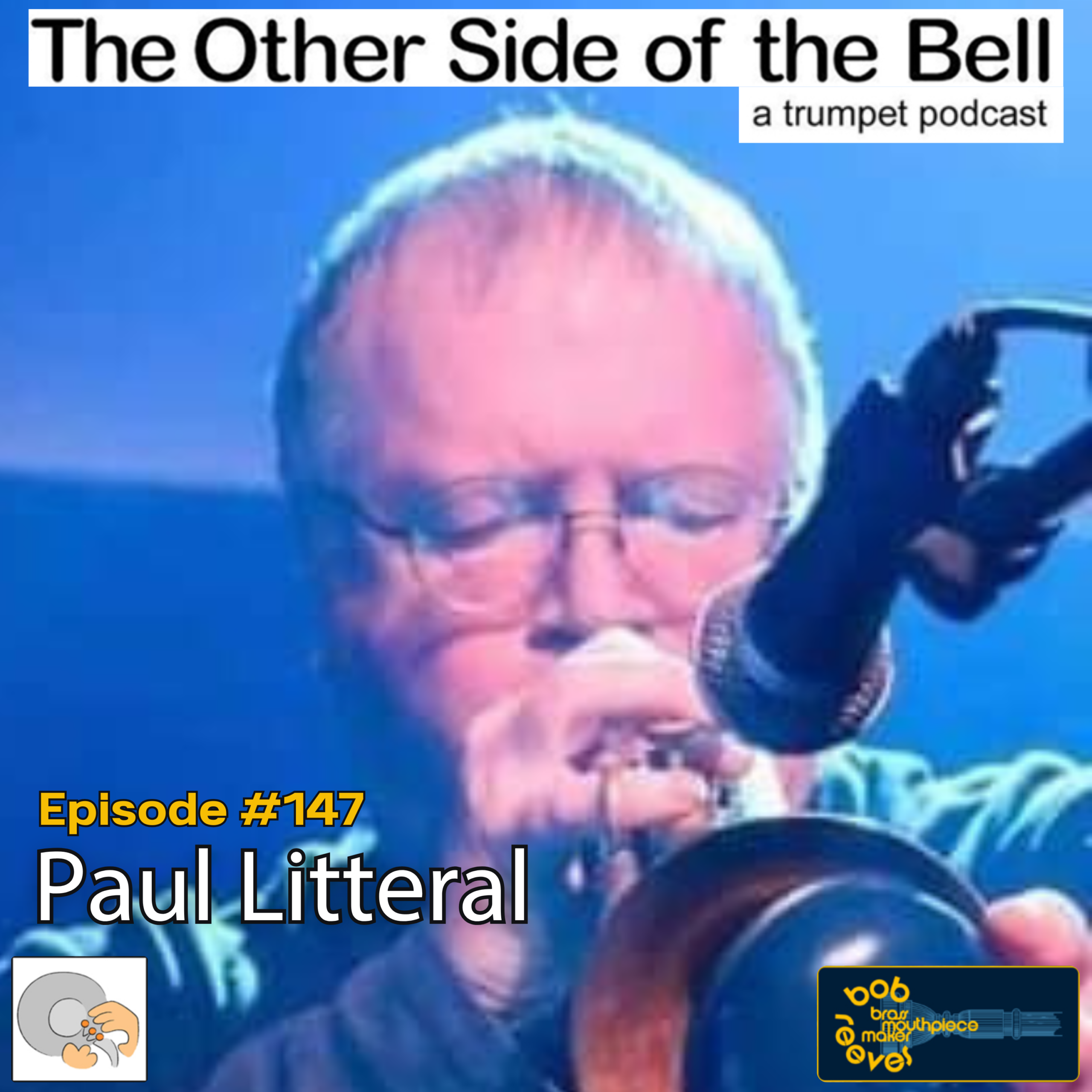
Welcome to the show notes for Episode #147 of The Other Side of the Bell – A Trumpet Podcast. This episode features trumpet performer and recording artist Paul Litteral. Listen to or download the episode below:


About Paul Litteral
Hollywood Paul Litteral began to build his career, playing in Broadway hits such as The Best Little Whorehouse in Texas, A Chorus Line and Chess.
In 1978, Paul and saxophonist Arno Hecht founded the well-known group called the Uptown Horns. As their visibility increased, the band was recruited for rock and roll gigs and played many of New York’s most famous clubs.
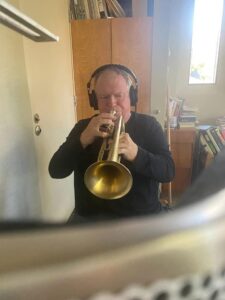
Paul and the Uptown Horns went on their first rock and roll tour with the J. Geils Band in 1981 and that led to many other opportunities including engagements with The Rolling Stones, Robert Plant, Tom Waits, Joe Cocker, James Brown, Pat Benatar, and Ray Charles. The band lists recording credits on over 150 albums including James Brown’s Grammy Award winning “Living in America” and tracks for Joe Cocker, Albert Collins, Bonnie Raitt, Robert Palmer, Lou Reed and REM.
In addition to continuing to play music, he began writing and found critical success with Hoboken to Hollywood, which earned him the 2011 Ovation Award for Musical Direction. Paul was also awarded Best Musical Direction by Stage Scene LA for Louis & Keely: Live’ at the Sahara, which had a record run, playing to sold out audiences at the Geffen Playhouse.
“Hollywood” Paul earned his nickname back in the 1980’s due to his prodigious knowledge of film lore. Though his extensive contributions to the LA music scene have also helped add to that fabulous moniker.
Paul’s fame is within the world of Rock and Roll. On his latest album, “The Litteral Truth,” he brings us a collection of songs that inspired his personal musical development. The Brecker Brothers, Edgar Winter and Steely Dan are a few of the artists we cover on the record, and revisiting these great cuts and reinterpreting them was a joyous excursion for all involved.
Paul is a fun and talented man, and his records are spreading the joy of knowing him.
-Bill Bodine

Paul Litteral episode links
Upcoming Events
-
Trumpet Festival of the Southeast, Jan. 17, 2026, Kennesaw State University, Georgia
-
Texas Music Educators Association Conference, Feb. 11-14 2026, San Antonio, Texas
-
Dylan Music, Feb. 26-28, Woodbridge, New Jersey
Podcast Credits
- “A Room with a View“ – composed and performed by Howie Shear
- Audio Engineer – Ted Cragg
- Cover Photo Credit – Paul Litteral
- Podcast Host – John Snell
Transcript
Please note, this transcript is automatically generated. It may contain spelling and other errors. If you would like to assist us in editing or translating this transcript, please let us know at info@bobreeves.com.
John Snell: Hello and welcome to The Other Side of the Bell, a podcast dedicated to everything trumpet brought to you by Bob Reeves Brass. We’ll help you take your trumpet playing to the next level. I’m John Snell, trumpet specialist here at Bob Reeves Brass, and I’ll be your host for this episode.
Joining me today is trumpeter Paul Litteral, here to talk about the Uptown Horns being a part of the jazz, rock and pop scene in New York in the seventies and eighties, and the release of his latest album, the Literal Truth. We’ll get to Paul’s interview here in a moment after a word from our sponsor and some trumpet news.
John Snell: Happy holidays, everybody. Uh, it’s almost 2026. I’m still working on my January 20, 25 to-do list, but [00:02:00] that’s okay. It’s been a wonderful year, a rewarding year. Looking back at all the places we’ve traveled, all the folks we’ve met on the road or here at the shop, and, uh, just another, you know, time to be thankful, for.
All of you listeners, customers, friends, recently, uh, Morton from Norway checked in, said he’s a huge fan of the podcast and listened to up in Scandinavia. probably a little colder up there now than it is, uh, 75 degrees here in LA outside my window. and Dave, uh, good friend of mine who we’ve met up at the.
Uh, Adam fests a few years in a row. he recently emailed me and said he’s now, uh, this might be too much information. Uh, now that he’s retired, he’s in the silver sneaker club. and so the benefit of going to the gym, every day. He could check in and said he’s been listening to nonstop trumpet podcasts in the gym every morning.
So, uh, a little shout out to Dave. yeah, Dave plays in a great ska band, which hopefully I’ll get to hear someday. And, just living life to the fullest, playing music and doing [00:03:00] his thing and working out. Very inspirational. I need to hit the gym this, uh, today after I’m done here. So Martin and Dave, thanks for checking in and, uh, several o other of you have sent me emails and Facebook messages over the last week.
Uh, it is gig season. I mean, Christmas is the time when, uh, every trumpet player or brass player, anyone who could, uh, any warm body that can hold a trumpet seems to get a gig. so I hope those are all. Going well for you and obviously the fulfillment of brass in the holiday season is there’s nothing like it growing up with my dad and his brass, quin, ted and brass ensemble.
it probably will just have happened by the time this episode posts. but, we sponsor the Los Angeles Brass Alliance, a fine organization of young graduate, age, brass musicians and percussionists. And they put on a few concerts a year. Fabulous outreach program, educational, organization, as well as, uh, promoting young composers, commissioning new works for brass.
And, uh, they are doing a holiday concert [00:04:00] this year, uh, featuring one of my dad’s arrangements of away in the manger, which is actually one of my favorite, uh, arrangements of my dad’s. And they invited me to give a little, uh, interview in part as part of their concert. So, absolute honor. To be a part of that group and help, Bob Res Brass help sponsor that organization.
So if you wanna learn more about the La Brass Alliance or LAB a for short, we’ll have links down below for that. what else we have coming up? Couple quick hits for travel. we are gonna take part, in the, trumpet Festival of the Southeast, so that’s January 17th, 2026 at Kennesaw State University.
And that’s just outside of Atlanta. So if you’re in and around the southeast Florida, Georgia, South Carolina, Mississippi, Alabama, driving distance to the Atlanta area. I hope you’ll come. we will be doing valve alignments.
I’ll have the link to where you can pre-order. It’s only a one day event, January 17th. So the valve alignments are gonna be very limited. probably only five or six that day. so if you wanna sign [00:05:00] up. You know you want an alignment pre-order at the link in the description or contact the shop. It’s gonna be an amazing event that they’re putting on Ashley Hall.
Ty, former guests this year of the podcast is gonna be performing a recital, as well as Kellen HNIs out of New York, another fabulous young trumpet player. So I’m excited, to hear and see both of them as well as seeing all of you at the Trumpet Festival of the Southeast January 17th. Few weeks later, we’ll be heading to San Antonio for the annual Texas Music Educators Association Conference in San Antonio, February 11th to 14th at the Convention Center downtown.
Huge event. Lots of alignments, lots of horns, lots of old and mutes. I will probably still have some guard bags in stock by then, so we’ll have some guard bags at the booth and lots of fun. probably some shires instruments as well. So if you’re in and around Texas or you’ve made Allstate or you teach someone.
Who’s made All states, we will see you at TMEA, February 11th [00:06:00] to 14th. Next up after that is our trip to Dylan Music. February 26th to 28th, we will be at the store in Woodbridge, New Jersey, just outside of Manhattan. Short train, trip away. So a lot of you’ve been emailing, when are you going back to Dylan’s will, when are you going back to Dylan’s?
And it is finally happening, just over two months away. So excited to get back there, hang out with the folks there and, uh, see you. So we don’t have links for that one yet. once we get that organized in terms of the, uh, alignment appointments and scheduling and stuff, we will let you know. but the Southeast, uh, trumpet Festival, those links will be up and I should have the TMEA alignment links up by the end of the year.
So, that’s the next three trips. looking further on and we’re gonna be doing NTC, uh, we’re doing a Pacific Northwest tour, or at least to Seattle area, I think in the spring. And, uh, who knows where else we’ll end up next year. So, as always, stay tuned. Always a good time to plug our social [00:07:00] media.
Facebook, Instagram, TikTok X, we still do a little bit on X and of course our website and give us your email ’cause we’ll always email out when we go to events and when there’s a link, to schedule alignments, things like that. So stay in touch with us ’cause uh, there’s nothing worse than figuring out we were just half an hour from you, doing alignments.
And then I get a call or email that following week asking. If, uh, we can do an alignment and the person has to ship their instrument halfway across the country. So, lot of travel coming up in 2026. We’ll keep it going. Oh, we’ve been b busy here at the shop. We just renovated the office, put in all new flooring and new paint.
I gotta tell you, a 30-year-old. Pink carpet, with who knows how many trumpet and trombone players, DNA in it. Uh, it was not a pretty site. So we’re excited to start the new year with a very fresh office, clean office. so if you’re in the area, come by, get an espresso and check out the new digs here at the shop.
I wish every one of you a happy holidays, however you [00:08:00] celebrate. it’s been an amazing year and here’s to an even better. 2026. So now let’s get right onto my interview with my good buddy, Hollywood, Paul Litteral.
John Snell: Paul Litteral got his start in the pit playing Broadway hits like the best little whorehouse in Texas, A Chorus line and chess. Before co-founding the Legendary Uptown Horns in 1978 with Saxophonist Arno Hecht, the band quickly became a staple of the New York Club scene and hit the road with the Jay Gilles Band leading to tours and sessions with the Rolling Stones, Robert Plant, Tom Waits, Joe Cocker, James Brown, pat Benatar, and Ray Charles.
Together, they’ve racked up credits on more than 150 albums, including James Brown’s Grammy Winning, living in America, and Tracks for Albert Collins, Bonnie Rai, Robert Palmer, Lou Reed, and REM Paul has just released his second solo album, the Literal Truth, in a Vibrant Fusion of Jazz, [00:09:00] funk, and Rock Reimagining Classics From Steely Dan Edgar Winter, and some deserving deep Cuts through Paul’s soulful tone, inventive phrasing, and one of a kind vision. I’m really excited to talk to Paul about his horn section career and this outstanding new album.
So without further ado, here’s my interview with Hollywood Paul Litteral.
John Snell: Oh, I’m so honored to have on the other side of the bell for a second run. None other than Hollywood. Paul Litteral. Paul, how you doing today?
PAUL LITTERAL: Pretty good. Nice to be back on with you.
John Snell: Oh, man. What an honor. You’ve oiled your valves. You had your coffee. You’re ready to talk trumpet.
PAUL LITTERAL: Yeah. Everything’s LD up and ready to go.
John Snell: Let’s go. and I, I do wanna mention upfront that you have a new album out the Literal Truth that just, I mean, it’s going up the chart to number six, right? You just mentioned
PAUL LITTERAL: now. It was 15 and it jumped to number six, and it was, it’s number three on the crossover chart.
John Snell: Congratulations. So, I [00:10:00] mean, yeah, we’ll be excited to talk about that, but we’ll, we’ll get into it first. and I do wanna mention, the first episode we did with Paul, we covered a lot of your life and from the beginning to the end, similar to the format of our other podcast.
but if you would, Paul, just kind of to bring us up to speed, can you give us the CliffNotes version of, how you started up to, how you got into New York and started the
Uptown Horns?
PAUL LITTERAL: you know, born in Kentucky, lived with my grandmother through, I guess, from the time right after I was born until like 12. then moved to the town, which, and I was on a dirt road, a dirt road off of Lane and, uh, a old area that used to be a coal mines.
John Snell: Hmm.
PAUL LITTERAL: And so they had the coal roads going in and out.
And so I lived there, four acres surrounded by 42 acres. And then, moved to the small town of 2000 people. you know, did grade school, started band in junior high, then went to high school, was in the band [00:11:00] there from freshmen all the way through. then I, got a chance to audition for the Navy, and, uh, along with colleges I had like college offers, but, everybody in my school, the trumpet players that were, really good went to college and then they drop out because that first year.
And college is really tough to like, you know, practice and do everything. Plus your studies, keep your grades up, have to try to get a job to try to afford being there. And so I decided to join the Navy. Uh, if I could be accepted, I had to audition. well, they flew me to Chicago. I auditioned. I passed the audition, obviously that’s how we were talking before I ended up at Navy School of Music and then, uh, ended up at my first duty station because I played in the student lab band at Navy School of Music and, [00:12:00] uh, got selected.
I could either gone to Washington, but if I went to Washington, I’d had to go to Annapolis first and wait until there’s an opening and then you go in. but, I went right to, uh, a duty station in New York City at the Brooklyn Navy Yard. Was there probably a year, and then they did a consolidation and wanted to make a specialty ban for the Marine War College.
So it was New York, Boston, Philly. Combined and went to Newport, Rhode Island and that’s where I, uh, was stationed for the rest of the tour of the Navy. And then at the, at the end of the Navy, I popped right down to New York. And uh, I’ve been taking lessons in New York the whole time.
John Snell: So
PAUL LITTERAL: It was very funny. The Olympics were going on one year and I was driving Winter Olympics and I was driving from Newport to New York there, and back in one day for a lesson.
John Snell: amazing. So you were [00:13:00] already, ’cause of the Navy, you were already getting your feet wet in New York and, I mean, that’s where your
PAUL LITTERAL: Oh yeah, I used to go, you know, I used to go to the clubs. I used to go to the Vanguard and see Tha and Mal, Elvin Jones. Woody Shaw, Freddy, you know, I, I it was like being in a masterclass with your exposure to, you know, big bands like Maynard or, Buddy Rich, you know, and, and it was like the seventies.
So that was the heyday for those guys.
John Snell: Yeah. Yeah. They were all in their prime. So you were, you’re in New York, well, Rhode Island, driving down to who, who are you studying with in New York? Who would you drive
PAUL LITTERAL: Ray Cera.
John Snell: right? Yeah. Yeah. Amazing.
PAUL LITTERAL: I, I hated those lessons. ’cause you know, he, we used to do sier and you’re doing Theier study and you’re starting and you go halfway down the page and you make a mistake.
John Snell: Mm-hmm.
PAUL LITTERAL: You don’t pick up, go back up to the upper left and start over.
John Snell: yeah,
PAUL LITTERAL: I hated.
John Snell: yeah. Did how he, how he [00:14:00] studied with Ray, didn’t he? How, did you guys, you, you guys ever talk
PAUL LITTERAL: no, we didn’t meet there. We never met in New York and I was so shocked. He was aware of me though. He knew who I was, and we were in different, like playing with in different circumstances, you
John Snell: Mm-hmm.
PAUL LITTERAL: know.
John Snell: Yeah.
But, was more in the, the, rock and rollers who were, had deals and were working towards a deal or playing the Hippiest clubs and blah, blah blah, which I just fell into, so, and it was great.
You, you also had bigger hair than Howie then,
PAUL LITTERAL: I, well, that came later, but yes, I did. I, I, I went, I went totally gonzo, you know, on the, on the Rock experience and did everything except the extreme hard drugs.
John Snell: yeah, yeah. Amazing. Did you ever talk to Howie later because you, I mean, you studied with him for a little bit before his passing, right?
PAUL LITTERAL: Oh, yeah.
John Snell: to him about, did you, did you guys ever talk
PAUL LITTERAL: you know, he helped get me through I, when I had BE’S palsy.
John Snell: [00:15:00] Mm-hmm.
PAUL LITTERAL: He really, I was taking from him at that time and I, I had been doing Legacy, my first record and I had to stop and he really walked me through getting better and kept my spirits up and we, and we couldn’t play, but he would teach me theory. to keep my mind, you know, focused and straight. it was really beneficial. I miss him a lot.
John Snell: Oh yeah. Yeah. Miss Howie Shearer, dear friends, you know, of the shops of all of ours,
PAUL LITTERAL: He was such a character.
John Snell: Oh, oh, we could do a hell episode of, we, maybe we should do, maybe we should do a whole episode on Howie Stories, get a bunch of his old students and,
PAUL LITTERAL: Get Bill Bodine in too.
John Snell: Oh yeah, of course. Yeah. Uh, so going, so you’re staying with Ray, you’re in the, in the, uh, I mean, tell us about the New York scene.
I mean, you were, you were going to the vanguard, you’re doing, jazz stuff. Hearing those Thad Jones, like you said,
PAUL LITTERAL: mm-hmm. I was in a big band in the Navy. In the Navy band there. And then I, I was in [00:16:00] a rock band with the Navy band ’cause they were going around to schools and they play afternoon concerts and then the
recruiters would. Would talk to the kids trying to get them in the Navy, which I, I gotta say I felt terrible ’cause I felt like I was like the pied Piper leading the kids to ruin, you know what I mean?
Because, they’re enjoying music and seeing us be happy and performing and that’s not what their life is gonna be.
John Snell: It’s gonna be military.
PAUL LITTERAL: Military. Right.
John Snell: Yeah,
PAUL LITTERAL: and at the time, you know, from being in the Navy, I was, I don’t know if I should, I’m gonna say it anyway. Uh,
John Snell: Yeah.
PAUL LITTERAL: the people in the Navy who were in the command area were so like unqualified
John Snell: Hmm.
PAUL LITTERAL: to lead men.
Like most of them were. Had a drinking problem, like a heavy, I’m talking heavy drinking problem,
John Snell: Yeah.
PAUL LITTERAL: [00:17:00] and they were just going through, it seemed like the motions more than really taking it as a job. Seriously, which is a very serious job, you know.
John Snell: yeah. And you’re stuck.
PAUL LITTERAL: And you’re stuck. You
John Snell: You’re get out Once Once the gate closes, that’s it.
PAUL LITTERAL: Four years later, we’re gonna open it up and kick you out.
John Snell: It’s not like you’re in a university and can transfer ’cause you don’t like your professor
PAUL LITTERAL: No, but I gotta say from being being transferred to New York, it was looser there.
John Snell: Okay.
PAUL LITTERAL: It was much looser there. And then we went to Newport and it was loose there and I was in a big band there that had a guy that was leading at a master chief named Otto Shabel, who, who did Maynard stuff. And I mean, really did it well, was really a good trumpet player. But I played lead in that for him and I was so skinny. So young. I was so young. I was 18, you [00:18:00] know, when I went in.
John Snell: playing lead. So at this point, I mean, were you, were you kind of leaning one direction or the other in terms of big band or rock, or was there a,
PAUL LITTERAL: I think I was, I think I was finding myself, I was playing a lot of jazz and the rock band and I loved rock ‘ cause of being exposed to it, you know, from high school on, ‘ cause I was, fortunate enough to be exposed to the great heyday of rock and roll.
John Snell: Mm-hmm.
PAUL LITTERAL: All those bands from the British Invasion on and the metal bands that came in, and then the Horn bands, blood, sweat, and Tears in Chicago, you know, also The Electric Flag, which is a little known rock band, horn Band, Mike Bloomfield.
and then, white Trash, and then, cold Blood, you know, I mean all the, and Memphis Horns. I mean, it was a great time for that kind of music with horns in it. There were, so yeah. and then I got to continue that in the Navy, which [00:19:00] is kind of crazy. I think I played marches twice a year.
John Snell: Everything else was big band and rock stuff.
PAUL LITTERAL: Yeah, totally.
John Snell: Yeah. What fun. So yeah, you, you moved to New York after your Navy and was it just like working from the ground up? Uh, networking?
PAUL LITTERAL: I started, I, you know, I was still studying with Ray, and then me and Ray had the serious talk where he said, well, do you wanna be a classical trumpet player or a commercial trumpet player? And I said, I really, I, I studied classical with him from the time I started.
John Snell: Mm-hmm.
PAUL LITTERAL: Marcel Beach, char, all the excerpts, blah, blah.
You know, had all those horns, but I always gravitated towards big band and, rock, you know, and jazz. And so he got me an audition that I was never gonna get, but he wanted me to go to get the experience. And I showed up at this classical audition for a. [00:20:00] Orchestra in New York. It was for the opera
John Snell: Hmm.
PAUL LITTERAL: and there were 400 trumpet players there.
John Snell: Was this for the Met?
PAUL LITTERAL: Yeah. For
John Snell: You took a MET Opera audition. I love it. Oh my
PAUL LITTERAL: And I had no business doing a Met Opera audition. None.
John Snell: Yeah.
PAUL LITTERAL: But we grilled, you know, he grilled me on the excerpts
John Snell: Yeah, it was. it
was the process.
PAUL LITTERAL: And then, and then just threw me in there. Mel Broyles was retiring and then I got there and all these guys are great.
John Snell: Yeah.
PAUL LITTERAL: I mean, seriously great, you know, and I played behind the screen and it was great.
I mean, I felt wonderful. It wasn’t like I was gonna get it, but they called me back in for a second. Listening, I think my sound. Was good at that time. So,
John Snell: Yeah.
that’s amazing. I had no idea. That’s,
PAUL LITTERAL: yeah. But that did it, that did it for me. Because you know who they [00:21:00] selected, right?
John Snell: Who, which one was
PAUL LITTERAL: The alternate. The alternate who had, who goes and plays with them at Christmas or Easter or in the summer or when they have a hard thing, an alternate that they know they already have worked with.
I mean, I understand you’ve already worked with this guy.
John Snell: mm-hmm.
PAUL LITTERAL: know who he is.
John Snell: Yeah. But you still have to fly the audition and 400 people have to go through the rigamarole.
PAUL LITTERAL: Yeah. They have to buy a, a plane ticket, get a hotel, stay food for when they’re there, and then do that, and then fly home. Dejected.
John Snell: Yeah.
PAUL LITTERAL: that wasn’t my scene. I didn’t
John Snell: had the experience. Yeah. You had the experience. You learned what you didn’t want to do,
PAUL LITTERAL: Right. And then Ray
said to me. Ray said to me, you need a lead trumpet player, teacher.
John Snell: Mm-hmm.
PAUL LITTERAL: started taking from Jimmy Maxwell
John Snell: Interesting. Interesting. Yeah. How cool. So what kinda stuff did Jimmy have you do?
PAUL LITTERAL: lead trumpet. Uh, he had had a [00:22:00] book at that time called the Lead Trumpet, and I worked out of that book and then excerpts from big bands of their charts and working on that and then working on a lot of, surprisingly, he was a really an, uh, Ellington de devotee.
John Snell: Hmm.
PAUL LITTERAL: So it brought me into that and then got me into jazz soloing a little bit because his, his thing in jazz soloing was more like from the pop city,
John Snell: mm-hmm.
PAUL LITTERAL: and he played with Norman Grants every year that that tour that they would do through the jazz festivals.
John Snell: So, you know how, I mean, can you explain that a little bit more? Like what, how is the pop idiom and how that’s different from, from, what was it, traditional swing, jazz, bebop kind of lineage?
PAUL LITTERAL: The pop idiom was from my exposure of growing up in high school and listening to like Memphis Horn, Chicago and blood, sweat, and tears, and really studying that. I [00:23:00] really was, I gravitated towards that from very young age,
John Snell: is it a style thing? Is it a note choice thing? Is it
PAUL LITTERAL: It is a, it’s a style thing and it’s, a lot of guys who are jazz players and then Let me preface this. They’re great jazz players, but they seem in a lot of instances to look down on rock and r and b and not take it seriously. And I treated that like an art.
John Snell: Mm-hmm.
PAUL LITTERAL: Those horn sections, like an art, they’re phrasing like an art. And the importance of that, of like, yes, you can emulate that, but you have to make it your own.
Just like in jazz, when you play jazz solos, you, learn the language, but you have to make that language your own.
John Snell: Yeah. any, particularly influential, tunes from the Memphis, uh,
PAUL LITTERAL: Yeah, all the stuff with Otis, all the stuff with Otis Redding [00:24:00] and Al Green. And then I met, I met Wayne Jackson
John Snell: Oh, cool.
PAUL LITTERAL: trumpet player from Memphis Horns who played on all that stuff. Who’s was who was at Stax Volt recording that stuff.
John Snell: Yeah.
PAUL LITTERAL: we became friends and I was playing in this band in New York called Brenda The Real Tones,
and Brenda was like a actress singer that had been a cult figure in, some films.
And particularly the film that had the biggest support for her was Women Behind Bars, which was a very obscure film. But like, let me say this, we’d play gigs. And they’d have to clear the club out For the second set,
John Snell: Wow.
PAUL LITTERAL: it was going around the block people to see her, and she was doing soul music. So she was doing all the old soul stuff.
from Al Green to Rufus Thomas walking the dog, Otis Redding, all of it, you know, Carla [00:25:00] Thomas, everything.
John Snell: Yeah.
PAUL LITTERAL: So I got exposed to all of that. And then, what, uh, solidified this even more, it was like a doctorate program was this Irish bar in named, called Tramps in the Village.
John Snell: Hmm.
PAUL LITTERAL: every summer and every winter near Christmas, they would do a Soul Week where they would fly an old soul singer up. And I was in the band that played behind them with the uptown horns. We, we played behind them and, would recreate their thing live. And the band was authentic and so were we.
So, uh, we got it, got great reviews and did very well. I mean, like, it was very cool.
John Snell: Oh, cool. And that probably also then started connecting you with artists and adding things to your guys’, uh,
PAUL LITTERAL: Yeah. Yeah. And you know, to do that, I hung a lot at clubs.
John Snell: Mm-hmm.
PAUL LITTERAL: I used to go every night. It destroyed my marriage. But, uh,
John Snell: Well, I [00:26:00] appreciate your honesty.
PAUL LITTERAL: it, it is what it is.
John Snell: it is what it is. Yeah. Well, I know. And are we still talking about what, seventies? Late seventies at this point?
PAUL LITTERAL: No, we’re in the eighties.
I’m out. I’m in New York. I’m living there. I’m going through it. My poor wife is dealing with this. We have a, a kid, you know, I have a beautiful daughter that I helped deliver and I love, you know, love her to no end. We have a great relationship now, but then I think the divorce was really hard.
John Snell: Yeah, I could imagine. But it was, uh, I mean, it was, that was the scene then, right? I
PAUL LITTERAL: But I was finding, I was in search of Paul.
John Snell: mm-hmm.
PAUL LITTERAL: That was that time period in, in, in my generations where we always had to find ourselves
where you go, there you are. Right? You’re not
John Snell: There you are. Very zen, uh, Buddhist. Yeah. Here I, I’m here in the moment. I mean, give us a picture of this, of a scene in the eighties in New York. I mean, you had all kinds of music [00:27:00] being created and you know what punk is getting established
and rock and, yeah.
PAUL LITTERAL: They literally had punk gigs at like CBGBs, which was the premier rock club. Like, you know, talking Heads started there. Debbie Harry started there. The Ramones started there. They would, have punk acts at 12 noon. With kids in there doing a mosh pit, like just slamming into each other.
It looked like a brawl. I, first time I went in there, I go, what the hell is this? You know what I mean? It is crazy. And I ended up with a lot of groups playing in there quite regularly there. Max’s Kansas City, another famous cla, Iggy Pop came outta Max’s Kansas City, Fillmore East, the world. Uh, the Ritz played.
Tons of gigs at the Ritz. We as the Uptown Horns probably played in every club and every studio in New York City and [00:28:00] adjacent and to the point that the horns got to a, a degree where they would fly us out to la, which made me very popular out here.
John Snell: Yeah, I bet. I bet that’s why you were dubbed Hollywood, Very popular and beloved, by the way,
the Southern California music scene dubbed you Hollywood, Paul, because arms, Hollywood, Paul, come out here, let us embrace you, that kind of thing. And then that, you know, I even got to fly to Atlanta. I played with REM in Atlanta and recorded with them. And, uh, even England, they flew us to England a bunch of times to play on records and you know that a lot of musicians at that time couldn’t figure out what we were doing. That was so special. And there’s, there it is.
PAUL LITTERAL: That’s it right there. You don’t know and you’re not going to figure it out. ’cause that’s not where you came from. That wasn’t your musical [00:29:00] experience. Doesn’t mean your musical experience is bad, doesn’t mean it’s invalid, it’s just different. And you chose that path. So walk it. You know, that’s my thing.
I did and like ruined my life over it. But I walked that path to get as good as I could at, at that art. Because anything you do, you have to do the best you can do and be the best you, you can be
doing it.
John Snell: So you did your thing, you were Hollywood Paul, and I mean, that, that included like, what, seven nights a week, going out to clubs, networking, hanging, you know, absorbing the music, meeting musicians. Yeah. any fun run-ins with, uh, stars, musicians
PAUL LITTERAL: Oh, uh, classic. I met Bernie Glow on the street.
John Snell: just walking around?
PAUL LITTERAL: Yeah. He was walking to Ellis. Remember I, you’re too young. But Ellis used to have a store like on 52nd, right on Broadway [00:30:00] and upstairs and like everybody went there and I met him walking to Ellis.
John Snell: Hey, Bernie.
PAUL LITTERAL: And he was, you know, weirdly Bernie, like, who played a lot out here with, uh, Dionne Warwick and Burt Bach.
He, he was in Burt Bach’s band because he was known for being so accurate and never missed. I mean, he was, I’m sure he missed some, but like, it was so little that you didn’t hear it. That much, you know? it was an honor to meet him. Really.
John Snell: Yeah. Yeah,
PAUL LITTERAL: Zoot Sims I met and then, I met every, you know, from Van Halen on across the board rocker, you can imagine.
John Snell: yeah.
PAUL LITTERAL: And hung with them. Debbie Harry, you know.
John Snell: That’s, uh, uh, yeah. Crazy, crazy scene to imagine,
PAUL LITTERAL: And then, and then [00:31:00] my jazz exposure in rock, by the way, was with, uh, cameo. I did Word Up. And their second album after that was esmo. And we went in and did four tracks with them. We finished them and they said, don’t leave. We have a special guest in walks, miles Davis and Miles guested in on a solo on two tracks, I think with them.
John Snell: On that. And you guys were in the studio.
PAUL LITTERAL: Yeah. I didn’t stay long because I named my son Miles. Right.
John Snell: yeah.
PAUL LITTERAL: And Miles Davis was my jazz hero, but I knew his reputation.
John Snell: so
PAUL LITTERAL: There were times when he was less than cordial. Let me just put
it that way, yeah, yeah. I’ve read the book.
so I didn’t want to be on that side of it.
John Snell: Yeah. Yeah. But you got, you did get to meet him though. You were in the
PAUL LITTERAL: Yeah, I met him. We were in the same room together, like
John Snell: Still an honor.
PAUL LITTERAL: Yeah,[00:32:00]
John Snell: Amazing. And who I thought little, little, uh, Paul from Kentucky is now flying the world
PAUL LITTERAL: barefoot kid running around in the woods. Yeah, that’s me.
John Snell: Yeah. I, I don’t wanna skip over this part. How did the Uptown Horns actually come together?
Was it just organically you guys were gigging so much together, or did,
was it
a defining
PAUL LITTERAL: Arno had Arno hacked the tenor player of the, uh, uptown Horns, and it was his idea. First. He’d start an iteration of the Uptown Horns before I came along, but we met at a rehearsal band. Of a pseudo rock fusion band that he was playing in and, and I got called outta the blue and I came in and I played and we started playing together on these parts and he goes like, Hey, what are you doing?
Like, do you have nights free and stuff? And I go, sure. I said, what time? And he goes, he told me the time. And I said, yeah, I think I could do that. He goes, I’m doing the spam Brenda and the real [00:33:00] tones. He brought me into that. And then from the Terry Dunn, like r and b thing, we go, we really need to expand the section.
John Snell: Mm-hmm.
PAUL LITTERAL: So that’s how I found, Bob Funk, the trombonist, and, Arno, a new Crispin Co. And Crispin Co came in. And then we had the beginnings of the Uptown horns.
John Snell: So that was that. So you guys were kind of playing together, but it was also kind of let’s establish this, this group.
PAUL LITTERAL: Yes, we decided to like make it a horn section and try to make ourselves not only available, but interestingly enough to every artist we meet and play with that they see that we’re just not trying to take the money and get out of there.
John Snell: Take the money and run. Yeah. And I mean the, the number of art, the number of artists and the, variety of artists that you guys have recorded with and toured with is incredible. ’cause [00:34:00] you go from pop and funk to rock, you know, you know, hard Rock, you know, driving rock and you guys fit in, or some like Joe Cocker, you know, uh, I mean, Unchained My Heart.
What a, classic tune. how did you guys get connected to Joe? That, was that
on
PAUL LITTERAL: uh, through Dan Hartman. Dan Hartman wrote the song, I Can Dream About You.
I don’t know if you remember that tune or not.
John Snell: Probably not. I don’t remember my kids’
names.
PAUL LITTERAL: enough about Dan Hartman. Dan Hartman started as a bass player with Edgar Winter.
John Snell: Oh, interesting.
PAUL LITTERAL: Frankenstein.
John Snell: Oh wow.
PAUL LITTERAL: And Dan became a, a staff writer for a lot of the record labels where they could call, like when we did James Brown’s living in America, that was Dan Hartman. That was for Rocky four, and we were on the road with, uh, Robert Plant. I’ve told you that story before, and got a call to come out to LA and do [00:35:00] that, but it was Dan Hartman who wrote the song, also his, he had a partner named Charlie Midnight. And Charlie Midnight was producing Joe Cocker in, uh, New Jersey at the time. this was after the, the James Brown record, of course. And, uh, he said, I have this track unchain my heart, and I’d like to use you guys on it and see what you could come up with. So we came up with, and we arranged the thing right there in the studio.
John Snell: Hmm. So that was it, you, it was on the spot. Is that, was that how most of your things were or was it some of ’em written out, sketched out in advanced? Or did it
just depend on
PAUL LITTERAL: very little. We came up on the spot mostly. Sometimes we sketch things out, but not too much because we didn’t want to make it sound so planned.
John Snell: Little more. improvisational that. The kind of more the jazz side of
PAUL LITTERAL: Improvisational and fresh with hooks. They have hooks. You can [00:36:00] hear the hook. It’s obvious, and a lot of guys don’t like that, but hooks are what make people listen. And we’re not playing, we’re not playing for somebody from Julliard. We’re playing from the guy who’s like, you know, lifting boxes at some warehouse.
Okay?
John Snell: Or making mouthpieces at a shop or doing, doing v Paul. I, I, I feel so manipulated. You and your hooks come on. Make me wanna listen to a tune over and over
PAUL LITTERAL: I have you in my,
John Snell: Sorry. As I go and listen to some Messian, uh, when I’m doing the next alignment this afternoon. No offense to any Mession fans out there. I’m sure I’m gonna offend someone, but you know what I’m talking about.
PAUL LITTERAL: yeah, yeah. I get it.
John Snell: Your hooks. Uh, I mean any, uh, you’ve done so many things. Like I was thinking that the B 50 twos I was listening to on the way up, um, just by chance, I mean you did, you recorded with James Brown.
[00:37:00] Like do you have any favorites that you go back and you just kind of go, yeah, we did that one.
PAUL LITTERAL: I mean, we played on so many great tunes that became classics
John Snell: Yeah.
PAUL LITTERAL: that in each one is special in its
John Snell: Yeah, it’s like a baby. But any, any, any horn horn part that maybe is kind of on a sleeper tune
PAUL LITTERAL: an obscure, one would be Albert Collins, uh, Kohl Snap album, which was done on a, independent label outta Chicago, which is some of our best horn work ever as a section and, uh, living in America Classic.
John Snell: Yeah. Not really a sleeper,
PAUL LITTERAL: And you mentioned, you mentioned Joe Cocker, that
one. Uh, and then, uh, stuff we did with Tom Waits on Rain Dogs, which was really going into like, a jazz thing that was like punk.
It was really like punk jazz say, uh, vis-a-vis the lounge lizards or something. I don’t know if you know [00:38:00] that group or not.
John Snell: Yeah. Yeah, yeah.
PAUL LITTERAL: Yeah. John Louie. Yeah. and so, yeah. I mean we were, I was exposed to so much that that’s why it was simple to me to try diffuse when, and it started with like that solo album I did and Howie Sheer of like getting me into jazz more.
and the theory behind it that I had to bring my voice in playing that. Out and make it, try to make it interesting for people and for a lot of listeners, not just jazz listeners, but I wanted it to be like jazz in the sense of I am fusing my career with this and saying this is who I am.
This is not who I’m pretending to be.
John Snell: Yeah. Yeah. I mean, that, that’s, the legacy is a killer album. the tunes are more big band, but doing tunes that are, you know, important to you through your career [00:39:00] or you personally,
PAUL LITTERAL: a rock sensibility, most of it from a rock sensibility. You know, Stevie Wonder, blood, sweat and tears on it, you know that, that gamut right there. But it’s same, same era.
John Snell: Mm-hmm.
PAUL LITTERAL: but the, from making the horn section stuff and the solos on it where they’re interesting, where it doesn’t go too long on the solo.
So you don’t get bored because we’re in a, what, five second era right
now,
TikTok.
John Snell: TikTok. Yeah.
well, so then that begs the question. So you, you had Legacy that was a successful album on the charts I remember. what was the inspiration then for the Literal Truth for the second album?
PAUL LITTERAL: The literal truth, uh, the legacy helped me find my voice, and in particularly when I played out with the band, I found what I wanted to put out. what to be. And so literal truth, is the Paul Literal band that that’s, [00:40:00] that’s it right there. And we played a few gigs out and we got a good response. And I think if I could play out more, if more people went to clubs, which is very hard now, it’s, this is a very hard time.
John Snell: Yeah.
PAUL LITTERAL: To do that. So we do more in video. We have a video coming out soon and I’m still working on another video that I want to do both of ’em are Steely Dan tunes that we did from the album.
John Snell: That was your inspiration. It is more, and it’s a smaller, it’s not a full big band. Right? It’s more of a horn section.
PAUL LITTERAL: a more four horns. Four horns and, guitar, bass, drums, piano, and vocals.
John Snell: Yeah. And, and more that it’s, I mean, it’s, I hate labeling, but, you know, to describe the sound, it is kind of like we’ve talked about, like with the artists you’ve worked in kind of this, you know, funk, rock, fusion, jazzy, greasy, bluesy. I mean, [00:41:00] it’s a little, yeah. Uh, it’s like a, it’s like a good, uh, good stew
PAUL LITTERAL: Yeah. It’s
John Snell: if you put that on the next
PAUL LITTERAL: I try to make it all. We tried to make it all fit together. We really did. And I think, I think the producers did a great job. Angela did a great job, and Greg Curtis did a, did an incredible job mixing it and producing it
John Snell: I, I wanna see that on the next album. Uh, my testimonial, it’s like a good stew. John Snell.
PAUL LITTERAL: Alright, I will.
John Snell: I have such a way with words, kidney stew. I love it. You know, my mom’s an English teacher and I, I have such a poor command of the English language. I, I have to laugh.
PAUL LITTERAL: I.
John Snell: So I, I mean, take us through the tunes you mentioned. So there’s a couple Steely Dan Tunes. Uh, what are some other highlights for you, and why did
PAUL LITTERAL: Yeah, we did it. We did home at last, we did Black Cow, we did, uh, do It Again, which was a holdover and a remix from the first album.
John Snell: That’s right. Yeah. That’s on, [00:42:00] uh, legacy.
PAUL LITTERAL: And, I wanted to redo it from the way we did it live more. And, then I did some tunes from, Edgar Winters White Trash, give It Everything you Got and Dying to Live. And, crazy as it seems to start the record. We started with the last tune on the, on the cd, which is. Follow me and follow me is a vocal rendition of the Rodrigo Adagio,
Concerto, which is sketches of Spain.
John Snell: yeah. Yeah.
PAUL LITTERAL: but done in a way that’s harder and introduces more rock elements in it, like vis-a-vis guitar, electric guitar fuzz. Boxes and echo and all kinds of things on it sounds, and even Tyco drums are in it. And, uh, I, I wanted to fuse that into the rest of [00:43:00] the record of like sonically where it wasn’t jarring when I went into the more rock, jazz rock stuff.
John Snell: Fascinating. And, and for those listening, uh, if, you scroll back a couple episodes, we had Greg Curtis who mixed the album. and we talked more about the recording process and uh, the mixing and all of that on, on Greg’s episode. and before we get angry emails, ’cause we got angry emails the last with Greg’s episode, ’cause people will say, I wanna hear the album.
Play Clips. Play clips. And unfortunately, you know, the litigious uh, society we live in now, like if you put any music on your podcast, even if you have license to use it, you get
PAUL LITTERAL: Yeah, we have license. Everything
John Snell: you have li and I’m not saying you do, but like we can’t, we get copyrighted striked, which is why we don’t play clips on the podcast.
PAUL LITTERAL: You know? You know what’s ridiculous? Well, what’s obviously ridiculous about that? They could sell
more
records and do more things if they let more people play [00:44:00] stuff so that people who want to hear it can hear it.
John Snell: Exactly. Uh, I mean, you’re preaching to the choir. but, so for those folks listening, we do have the links down in the description on the show notes. And if you’re watching this on YouTube down in the description, we have links to Paul’s website and we have links to it streaming on Spotify
PAUL LITTERAL: eight records too. You can go on that website
John Snell: and
PAUL LITTERAL: and you can download it or order the
cd.
John Snell: So it’s a one or two clicks away to be able to hear clips of this album we’re talking about, so,
PAUL LITTERAL: You can find it. You can find it on
John Snell: exactly. so, uh, and uh, yeah, why don’t you have the people playing on there? Yeah, yeah. I love, I love the internet. It’s
PAUL LITTERAL: you know what? Like, like I know about that. I know they do like tiny desk concerts at NPR and stuff, but it’s like it’s harder to do it live in a little
studio. I. the college at Loyola used to do that. I used to do some live stuff there with bands, and they have a [00:45:00] nice room and it works out, but it’s not the same as listening to the tracks the way we wanted you to hear them.
John Snell: exactly. And, and as the, the Bob Reeves Brass Media Empire grows, we might be able to turn this front room into a tiny desk concert.
PAUL LITTERAL: No, right.
John Snell: You might, might, maybe, but we have to, we have to grow the empire a little bit more before we get to that point. So, uh, again, not
PAUL LITTERAL: When it takes over the world, when Bob reads takes over the,
John Snell: exactly. So again, sorry for the tangent, but I, I’m just, uh, heading off a few angry emails about, well play the tunes.
Play the tunes, but we’re talking about ’em here.
PAUL LITTERAL: well, I’m glad they’re
John Snell: Yeah. So, uh, can you talk, take us into the studio? ’cause we heard from Greg on the, uh, you know, the other side of the engineer booth. you know, in terms of putting down solos and I, you know, uh, the thing that always, you know, the OCD in me, like recording, it’s like there’s always a better take, right?
Like, as a perfectionist and a high achiever, you’re always like, oh, I can, maybe I can do one better. Or like, if you’re improvising. So like,
PAUL LITTERAL: [00:46:00] It’s, oh yeah, but it’s like a painter. You have to know when the picture is done. Sometimes the, the little flaws. Or the thing that makes it
John Snell: yeah. So how was that for you when you were in the studio? Like, how do you know when it’s, when you’re happy with it? When you’re done?
PAUL LITTERAL: Well, my favorite solo on the whole thing pretty much is on Dying to Live. I don’t know if you’re familiar with that
one or not. The Ballad,
John Snell: Yeah.
PAUL LITTERAL: and that was the hardest because the key. Was the hardest to play in. I had like all sharps. And the thing about that was, the importance of that was to play interesting things, but that were musical and melodic because that’s the tune. The tune is very sensitive and melodic, and the melody is the whole thing. That’s the importance of the song. And so [00:47:00] I wanted to go off of that and make it musical and part of the melody that I could use, but still change it so that I am putting my own stamp on.
John Snell: Yeah. You did it. That’s what it, it’s my favorite solo on the album too. I mean, they’re all, I mean, it’s a great album. The plane is smashing. And, and to me, like, I mean, the big band album is fun and I I see why you did it. The tunes, the choice of tunes and things like that. And when, uh, when you, you and Greg sent over an early copy of this album, I put it on and I was like, yeah, this is, this is Paul.
This is the Paul I’ve, I’ve
PAUL LITTERAL: Yeah, see that.
John Snell: Yeah,
PAUL LITTERAL: wanted, that’s exactly what I wanted.
John Snell: yeah. It’s, I mean, yeah, you, you, you nailed it. Home run. So, uh, and I,
PAUL LITTERAL: Thank you.
John Snell: I, hate this question ’cause these are all your own little babies. you working on the next one, you have any future, uh, ideas or projects in the pipeline?
PAUL LITTERAL: You know, I’m picking out a couple, I got a couple of [00:48:00] tunes already picked out and we’re thinking, you know, we’re talking. I mean, and with this one, what was great about this one, this was done, thank God against part of my wishes of in the studio of like overdubbing too much. I mean, like we overdub, don’t get me wrong, but like we played live together, the whole band, so you could get the energy. Of the tracks rather than just, okay, now we’re gonna put this piece here and then glue this here. You know what I mean?
John Snell: Might as well use the sample library at that point, you know? Yeah. So you
PAUL LITTERAL: right. So it’s a little mechanical that way. not that it’s not good, but it’s what you were talking about earlier. It’s perfect. And that’s the problem.
John Snell: Yeah,
PAUL LITTERAL: You listen to all the old stuff, none of that’s perfect.
John Snell: Yeah.
PAUL LITTERAL: Tempos go up and down. Everything is a little greasy. certain licks weren’t played or the cord wasn’t played in the right spot. [00:49:00] The horn parts, there’s a crack in it. There’s something like that. this is like, I wanted to do it reminiscent of those things where you’d get a lot of the natural, I’m being trying to keep it real,
John Snell: Well, yeah. Well, and we like, uh, we just had Jerry Hay on talking about his horn section and working with Quincy and how Quincy would make him play a vamp for five minutes, because there’s a magic that happens when great musicians are playing together. You know,
like, it, it grows exponentially. You know, one plus one is equal to three instead of Okay.
Trumpet. One plays, its part trombone plays, its part trumpet, two plays, its part drums. Put your part down and it’s all sterile and it may be perfect, but there’s no communication. There’s no extra
PAUL LITTERAL: No. Yeah, no interaction that’s going
John Snell: Yeah. So, and you get that from your album and it’s great that it was intentional, you know?
cause you start, when you started it was not digital, right? Uh, first, I mean, did, did you guys, [00:50:00] was Zep town horns around long enough to get into the digital era, or were you guys done by then?
PAUL LITTERAL: No, you know what, check this out. We were playing at the record plant in New York for this group that, was using two scooters. ’cause they had filled up all the tracks and they were running over. So when we played and did our over up. They would have to start the Studers at different times and it wouldn’t catch up for a few seconds It was the craziest thing I’ve ever done in my life. Because you do go and then it locks into the track and you’re off. Right. And then.
John Snell: comes up to speed and then you start playing. It’s like the Stone Age.
PAUL LITTERAL: Yeah. And you can’t, then you can’t mess up, you know, and then it’s like, that’s the whole problem.
John Snell: Age. Amazing. So you guys, you guys, didn’t get into the digital era then with the f
PAUL LITTERAL: No, [00:51:00] I mean, we, we played with, we played literally with, with bands, and I won’t tell you who in the studio that to make the tracks like the time good. They would cut long pieces of tape and hang it up as they’d recorded, and then once they wanted to put the track together, they would take those strips off and tape them in to the rest of the tape to make it even.
John Snell: Incredible. What a what? Like a lost art, you know, like,
PAUL LITTERAL: is a lost art. The guy with the could work, the razor blade could send his kids
John Snell: The splicers, yeah. Yeah. That, that kind of magic. And now it’s all with a few clicks and sliding
PAUL LITTERAL: Now it’s just like, it’s like I’m at home. Oh, yawn here, pop. There it
John Snell: I can do it on my phone. Yeah. Yeah. Amazing, amazing. I just kind of touch a few more things on the Uptown horns, here.
I mean, you guys played with some pretty, what’s the word, eccentric artists. any [00:52:00] shareable stories over the internet about some of the artists? I mean, I know you’d mentioned Iggy Pop, who was certainly a character larger than life character.
PAUL LITTERAL: I, his album was great that we did, we did that as the record plant
as well. Houston is hot tonight. I loved working on it. He was so crazy. he’d. Popped in, me and Arno did the record. So we’re in the studio and he pops in and he’s got Johnny Walker Red, a whole bottle of it.
And he’s shaking it like this and he goes, you guys are ugly and I’m gonna make you beautiful. That’s the way the record started. Not, I want to hear this here and that there. None of that. None of that. just more abstract, I guess. Just to get us
started, and we had a great engineer, producer, Tom Pen Nuncio was the, producer on the, session and, we were there all night. We did the whole record in one night and then weeks later, the record company put up a lot of money, got us a gig at the Ritz, they had all the [00:53:00] press there. This, it was on a Friday night, right? So it was packed out and everything was good.
He had a great band like Blondie Chapman, who played with the stones. Tons of people, Paul McCart, everybody. anyway, the band starts the intro it’s, it’s hot and like the crowd’s going crazy and Iggy comes running in from the wings. Onto the stage. It was a big, long stage, and when he gets about halfway to where the mic is, he leaps in the air and he’s prone to the stage like this.
He grabs the the mic. Crashes down, and that’s the way the thing opens. And what we didn’t know is that either somebody dosed him or something happened where he drank, but he was on acid and he was tripping his brains out. So he would only sing half a song.
John Snell: And [00:54:00] then.
PAUL LITTERAL: And then run off and the management was pushing him back out and he would run off again and they’d push him back out.
It was musical. Hell
John Snell: and the band has just has to vamp or make do, or whatever you
PAUL LITTERAL: yeah. We did. We all the endings that we rehearsed,
they’re out. It’s gone. It’s gone.
John Snell: Sax solo go, right? Like what?
PAUL LITTERAL: Oh yes.
John Snell: Oh my gosh. It’s different. Well, maybe different times. I don’t know. There’s still crazy, uh, personalities in the pop scene.
PAUL LITTERAL: And then, you know, we did a crazy gig with this guy, John Parr, who did the music for the Breakfast Club. we played live with him just for like two tracks at a big club in New York. And that’s one of the only times we were actually playing to tracks live.
John Snell: everything else was live, I’m assuming, or.
PAUL LITTERAL: No,
no.
John Snell: was tracks. Really
interesting. [00:55:00] Interesting. Wow.
PAUL LITTERAL: And that has very high horn horn parts on it. His tune. You can go back. It’s he, I think he only had that one single
John Snell: Wow. Uh, got you. So you mentioned like it recorded with the Geek Pop. You said you recorded all night, like you started at night, right? Like when you did that
PAUL LITTERAL: started around. Started around 11 o’clock
John Snell: was that common?
PAUL LITTERAL: out and the sun Was
John Snell: Was that common with the stuff you guys did, or really That was, that was a, that was an oddball. Okay.
PAUL LITTERAL: that was an oddball. I mean, we went in, you know, I only time I went in early is when we were doing jingles and stuff. I do early calls, but basically the calls were in the afternoon and night.
John Snell: yeah, yeah. But IY was like, no, you’re coming over at 11 and you
PAUL LITTERAL: Yeah, because I, I can get it. I can get it together to be there by then.
John Snell: Whew, man. What a scene. What a scene. I, you know, we had talked about in the last episode about [00:56:00] your, uh, touring with the Rolling Stones and the Uptown Horns. you had mentioned that you left, in that episode, but you didn’t really get into the story behind it.
And we had talked about it, you know, that, uh, there was a major turning point in your life.
PAUL LITTERAL: It was huge. It was a huge departure. I mean, I was essentially on
John Snell: Mm-hmm. I mean, you can’t
PAUL LITTERAL: We were on top.
John Snell: who, who, who could you
PAUL LITTERAL: We had a choice to be, we had a choice to be the horn section for David Letterman or do the stone. We chose the stones and then we lost that. ’cause we were playing a lot on Letterman early on. But, uh, then people got involved at, essentially ended up with that
gig. I mean, the, the horns on there are good guys, but it’s, the way it happened was kind of weird, but I won’t go
John Snell: Yeah. Well, it’s the it’s the
it’s the music
PAUL LITTERAL: the
stone stain, the stone stain was like, it was a life changing experience and I’m not talking [00:57:00] about musically, and I went through another savage breakup. At that time we came off the road and, and the uptown horns were trying to do another record, solo record. And uh, I think I wasn’t in any mental shape to do much of anything.
And, There were arguments involved and a lot of things were my fault. And, uh, it was a time when I had to sit down and go, I’ve played with everybody I’ve ever wanted to play with, ever, and if I do anything now, it’s gonna be repeating a lot of it. And that wasn’t who I wanted to be. I mean, I wasn’t realistic.
John Snell: Hmm.
PAUL LITTERAL: Realistic is you’re making a great living. They’re flying you everywhere. Just go for the ride. And I didn’t. I [00:58:00] cut, I ran. I ended up alone. I had to reinvent myself and then find Paul again. And that didn’t happen till I came out here.
John Snell: Wow. Wow. So it was kinda like a, it was a crucible. It was a, like, was it just the, I mean, the pressures of touring the stardom, the
PAUL LITTERAL: It was the pressures of touring. It was the pressures of, personal life, really tragic personal life and um, Being in that horn section for so long, and being a guy who had, who had tried to keep the peace in that horn section for so long and the pressures and I cracked finally,
John Snell: Yeah. You had enough.
PAUL LITTERAL: just cracked.
John Snell: enough,
PAUL LITTERAL: Yeah.
John Snell: yeah. So what led you to la? Was that, I mean, was that like the beacon of light that you’re thinking, okay, I need a change or.
PAUL LITTERAL: Well it did because of it came, I came out here to do a [00:59:00] record and a tour for Hidden Beach Records, which is, uh, Jill Scott’s label, and I think Michael Jordan was involved in that label at the time too. There were a label out of Santa Monica and they had a group called Unwrapped, which was a hip hop jazz group. And, me and Jeff Lorber were the only two white people in the hall
band. And the records became so popular that we ended up doing three or four. But they asked me after the first record if I would relocate, and I said, yes, I will. ’cause I was there when the towers fell in New York. I saw that I was, I witnessed it. I went through it. I saw New York change in a day, and along with me everything was broken, and so I had to choose. I don’t think you can rebuild here. I don’t know if you have the strength to [01:00:00] rebuild here or if I’ll be accepted to rebuild there. So I had to go out here and jump in the pool.
John Snell: Yeah. And you, you had said you always, there was always an allure to la, right?
PAUL LITTERAL: Yes. Yes.
I love So if, if, I mean, was it an obvious choice as opposed to Europe or Chicago or,
the time it was, yeah, at the time it just lined up right. And I had the opportunity to stay here and go through a lot of things, and it was really tough
John Snell: you had to play with me.
PAUL LITTERAL: No, no. That was the, those were the good days. Those were good days.
The other thing is like, you gotta live here. You gotta live here. You gotta find a place to live here.
You gotta make a living. You have to do all kinds of things that are gonna make it hard for you to live your dream.
John Snell: yeah. But you did it. You did it. That’s, and that’s like the most
inspiring thing. That’s the most inspiring thing to, go from New [01:01:00] York, to go through all of that, all of the different things from, I mean, you think about every kind of
PAUL LITTERAL: I didn’t. Yeah, I didn’t know. I didn’t know what was really gonna happen. I just let go.
John Snell: yeah. And you kept playing, right? Like you kept practicing trumpet.
Like that was, that was kind of the constant through all of
PAUL LITTERAL: That’s the one constant that has never left.
John Snell: Yeah. Yeah. Because I, I know a lot of people that go through things similar or different, and the trumpet or the instrument is the first thing to kind
PAUL LITTERAL: Oh yeah. the
only thing that made me stop, the only thing that made me stop playing trumpet was Bell’s Pal.
John Snell: That happened while you, while, yeah, while you were out here, right? It was, what, four or five, four or five years ago? Yeah. Yeah. But trumpet was the constant. Absolutely amazing. Absolutely amazing. Well, I, I mean, amazing conversation, Paul. Thank you so much. Uh, I learned something every day. I’ve known you for 20 years, and I still learn something new every time.
PAUL LITTERAL: Well, you know, I didn’t, I don’t think I told you about who I was until [01:02:00] we were on a gig or something and I just reached, looked over and I said, I played on
John Snell: That’s, that’s, I tell that story all the time, you know, because, I mean, it’s the, it’s the absolute, I mean, it’s the, the perfect, like, you don’t know who you’re sitting next to, you know? Uh, and thank God I think I was mostly nice to you and not my normal, uh.
PAUL LITTERAL: You were
always
John Snell: self. You
PAUL LITTERAL: You were always nice and an
John Snell: the, the other, other side of the bell.
Your, your $20 check is on the way, Paul. Thank you. Thank you. Um, no, but it’s absolutely true. You never know in this business who’s sitting next to you, and it may be the person who recorded the tune you’re playing, or the, or the tune your, I’ve done brass quintet things where, the composer is sitting on trombone and, you know, it’s like, who, who wrote this crap?
Oh, hey, you know, you never know. Um, but, uh, yeah. and I put that on my CV that, uh, I played with Paul Litteral. So I’m one connection from, uh, James Brown. One, one step. so before we [01:03:00] wrap up here, we’ll have links to where you can get the album, where you can stream it. you have your own website, but you also, the outrageous eight records is the where you can buy the digital download of the album.
PAUL LITTERAL: And we have a video coming
John Snell: And that’s on, gonna be on your YouTube. We’ll have a link to that as well. oh, you know, one thing I wanted to bring up before we do wrap up. you’ve mentioned you’ve got a few tunes for the new, maybe potential new album, but you’ve also been doing some playing, right? you’ve some plane projects coming up or that just happened?
PAUL LITTERAL: Yeah, I did a, a gig in Santa Barbara that was a, tribute to, uh, Brian Wilson and His music and uh, like Wilson Phillips was in it, Kenny Loggins was there and a bunch of great artists that I sent you a link of all the performers and it was a terrific show it was very interesting.
And I, I had done that with Colin, who’s one of the sax players on both albums. He is, he’s played with me, along with Kyle Zimmerman. They, they sort of sub in and out ’cause [01:04:00] Colin can be rather busy.
John Snell: That comes with a territory. So you’re still keeping busy. You’re working on another album. Can’t wait to to hear what comes next from you, Paul. And in the meantime, we have, uh, the literal truth to listen to and we can go back a few years and listen to Legacy. So, absolute pleasure having you on. I last episode, I, you know, I asked my doozy of a question about your best piece of advice.
You, you, you’ve already said that one. so I reframe this question that I’ve used a few times now. So if you could go back to, let’s say, uh, you know, 18-year-old Paul, or just leaving the Navy, Paul, your younger self, what would you do differently? What advice would you give your younger self?
PAUL LITTERAL: Make smarter choices. Don’t. Try to go down the hard path so much, you can venture off of the easy path, but come back to it so that your sanity can kinda stay in there. You know what I’m saying? Because a lot of people that go through kind of [01:05:00] breakdowns or, or changes in life, it can totally devastate because it’s so fragile life.
You know? We don’t know that they don’t give us a book.
John Snell: Yeah,
PAUL LITTERAL: Do this, don’t do that. The united, no, it’s not there. It’s not how it works.
John Snell: yeah, yeah. But through all that, you found yourself, you’ve made lots of music, made lots of people happy and continue to do that, cont, continue connecting
PAUL LITTERAL: I hope so.
John Snell: Oh yeah. absolute pleasure having you on, Paul. Thank you so much. Can’t wait for volume three. We’ll have you on again.
PAUL LITTERAL: Thank you. care.
John Snell: Paul has hit such an amazing career and just like Jerry, hey, last time, I would go back, scroll back a little bit or we’ll include the link for the last episode when I had Paul on where we did more of the traditional format of how you got started and the teachers and the pedagogy. More of the trumpety kind of.
Talk. and I wanted to have Paul back on, to talk more about his horn section playing the rock scene. You know, so much of this information [01:06:00] is going by the wayside. and just like having Jerry on lap last episode, you know, these tunes, these artists, these records have defined, not only just our generation, but pop music and rock music and soul music.
and so I wanted to dig in a little bit deeper about the stories of the artists and what the club scene was like. And, you know. So great to have Paul talking about, the roots of the punk scene starting in New York and the, the club scene hanging out and, the good and the bad that, uh, comes along with that.
and I really appreciate Paul’s transparency and his honesty to talk about the sacrifices one has to make or had to make, to be. Successful in that sort of scene. Not that that’s the only way, but it tended to be the case. you know, I know we’ve had, uh, Chris Bode talk about, how he sacrifices, to have a, a career on the road and always in the studio or on the road or whatever you’re doing.
you know, difficult to have a wife and a kid and a dog in a front yard and et [01:07:00] cetera. so. With Paul’s experience and, uh, again, the ups and the downs, uh, is really eye-opening for me. And I’ve known Paul for 20 years and I think a great picture of what that scene was like and, uh, what those musicians went through.
in terms of both the success and the trials and tribulations, so to speak. And through it all, Paul played the trumpet. And to me that’s the most inspiring thing, about that. And it was so cool to hear him talk about. That was his constant in his life. And no matter where he was, uh, emotionally or financially or whatever, he was still practicing, still putting music out there for the people.
And he continues to do so. I mean, he just did a killer gig as he had mentioned with the Brian Wilson, tribute, uh, with some a-listers and uh, still. Remains busy out here in LA and hopefully still keeps, uh, creating, I mean, two great albums out and, uh, can’t wait for the third. So, huge thank you to my buddy Paul.
we could talk all day. In fact, we started the [01:08:00] episode half an hour late ’cause we were just making each other laugh so much. Uh, and uh, we should do that. We should do an outtakes episode sometime of the stuff we didn’t record. Probably not fit for public consumption. So anyway, learn more about Paul.
Uh, we’ll have the links to his website. his album’s on Spotify. All the places you can stream. As he mentioned. They’re doing a video, that’ll be up on their YouTube channel. We’ll have the links for that. The album is put out by Outrageous eight Records. Angela O’Neill, is, uh, head of that and she does a wonderful job curating these artists and big bands and, different musicians in and around the LA area. so we’ll have a link to her website, the Outrageous Eight Records website, so you can, uh, purchase a digital download of that album, Paul’s first album, legacy, and some other, great artists that she, represents.
So with that, we’re working on the next episodes. It’s always crazy this time of year, so I can’t tell you who the next guest’s gonna be, but it is gonna be someone fascinating. And, uh, I am lining up guests for 2026. So hit that subscribe button, [01:09:00] hit that review button, leave us a comment on YouTube, and happy holidays everyone.
We’ll see you on the next one.