Cameron Johnson Trumpet Interview

Welcome to the show notes for Episode #166 of The Other Side of the Bell – A Trumpet Podcast. This episode features performer and recording artist Cameron Johnson.
Cameron Johnson has built a dynamic career as a professional trumpeter, touring internationally, leading big bands, and working across jazz, pop, R&B, and studio sessions.
Cameron recently came off the road touring with Lenny Kravitz on his Blue Electric Light tour, and we caught up with him at his home base in Los Angeles. Which in fact relates back to a central part of his story: the move from New York to LA, forging relationships, trusting his instincts and abilities, and making himself someone in demand. He explains the difference between jazz work, commercial work, and major pop tours, and why each requires a different kind of stamina, confidence, and preparation.
We reflect on the discipline behind great playing, the realities of life on the road, staying physically and mentally prepared for demanding performances, and why genuine relationships matter as much as talent. Cameron shares how he learned trumpet mostly by ear, developed his reading later, and built a career by combining musicianship with business sense, consistency, and genuine relationships.
His core advice: talent is not enough, the real edge is learning how to out think the competition while staying honest and building trust.
I’ve had the gift of good relationships, and I’ve always been around good people that wanted to see me do well. That’s very important when you’re trying to make something out of any business. You have to figure out who’s for you, who’s against you, who’s going to tell you what you need to hear, who’s going to tell you why you’re not getting that call. So I’d rather be around honest people, and I try to pride myself of being honest with people too.” – Cameron Johnson
Listen to or download the episode below:


About Cameron Johnson

New York native trumpeter and arranger Cameron Johnson started his professional career at the age of 16, honing his skills in New York City clubs, playing a wide variety of music from soul/funk/jazz/classical/gospel.

His versatile musicianship has afforded him opportunities to perform, record and or tour with artists such as Justin Timberlake, The L.A. Opera, Sunday Service, Beyonce, Leon Bridges, Giveon, Booker T. and the MG’s, Ms. Lauryn Hill, Kanye West, Blake Shelton, Black Eyed Peas, Bebe Rexha, Dnce, Rachel Platten, Stevie Wonder, Kelly Clarkson, John Legend, Lionel Richie, Robin Thicke, Andra Day, Janelle Monae, Kirk Franklin, Pharrell, Raye, Cee lo, and Usher to name a few.
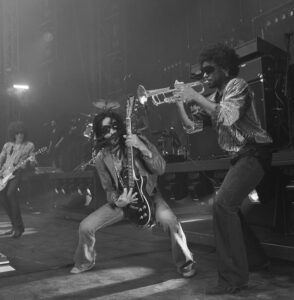
After attending The New School University for Jazz and Contemporary Arts, Cameron then eventually relocated to Los Angeles and has made himself a prominent call. As a studio musician, and has also made numerous television appearances on shows such as The Grammys, Jimmy Fallon, James Corden, The Voice, American Idol, Dancing With The Stars, Jimmy Kimmel and BET awards.
Cameron has played trumpet on Grammy award winning and also been a part of multiple Grammy nominated albums. In addition to being a studio musician, Cameron currently is a band member for Lenny Kravitz.

Cameron Johnson episode links
Bob Reeves Brass Events & Appearances
- NCMEA Conference, November 8-9, Winston-Salem, NC
- Greg Black Mouthpieces, November 10, Mount Holly, NC
Podcast Credits
- “A Room with a View“ – composed and performed by Howie Shear
- Podcast Host – John Snell
- Photo Credits – Courtesy Cameron Johnson
- Audio Engineer – Ted Cragg
Transcript
Please note, this transcript is automatically generated. It may contain spelling and other errors. If you would like to assist us in editing or translating this transcript, please let us know at info@bobreeves.com.
[00:00:00]
CAMERON JOHNSON: I learned best from people who love it. If you don’t love it, how do you expect me to love it? So I gotta love what I’m doing and, and then that’ll translate and come out the bell, and then people wanna hear it more.
There’s just that, that level of confidence that you have to have and, and you’re, you’re… No, you’re acting, you know? As a musician, you are an actor, you know.
JOHN SNELL: Hello, and welcome to The Other Side of the Bell, a podcast dedicated to the world of trumpet, brought to you by Bob Reeves Brass. We want to inspire you to develop
joy and confidence in your trumpet playing. I’m your host, John Snell, and joining me today is trumpeter Cameron Johnson.
But first, let’s get to some trumpet news.
JOHN SNELL: I’ve always loved visiting Boston. So I’ll give a huge thanks to Steve Johnson, Rabbi, and the whole crew, can’t forget Lou,
um, in the repair shop at Virtuosity Boston. Got to meet, uh, hang out with Tiger Okoshi while I was there, [00:01:00] and lots of great customers came by and, uh, for valve alignments and mouthpiece consultations.
I also did a short trip to Cincinnati and, uh, hung out with Ashley Hall Tighe and her husband, Nate. They just gave a, uh, wonderful, just, I mean, it was back in May, but the last ITG, they gave a wonderful, presentation on the physics and physiology of trumpet playing, including some very groundbreaking ideas, that they’ve put together.
And, uh, so I hung out with them, did alignments at, uh, their house for the local trumpet players, and, uh, just gave a masterclass for the students at, uh, CCM, the, uh, Cincinnati Conservatory of Music. So it was great being out there. Little bit cooler there than it is currently here in Los Angeles where it’s been over 100 degrees.
Uh, nice fall, balmy fall weather here in Los Angeles. So thank you, uh, to Ashley and Nate for, uh, opening their homes to me and, uh, having me out at CCM. Uh, coming up next, I’m gonna be in town for a few [00:02:00] weeks, and then we head out to North Carolina, as I’ve mentioned for our good friends, Greg Black Mouthpieces.
We will be joining them at the North Carolina Music Education Association Conference in Winston-Salem. that’s November 8th and 9th. And then on Tuesday, November 10th, we will be, uh, setting up shop at Greg Black’s shop. So, uh, come on by. I’ve had a few people email for alignments. Uh, we don’t have an official signup sheet for that.
I will be posting a link, soon, uh, maybe by this episode, uh, for signups for the convention. So if you are going to NCMEA and you wanna get a valve alignment, I will be doing them there on the show floor, just like we do at the other conventions or conferences. Uh, you can prepay and secure a slot. So I’ll get, that link going and we’ll have that posted with this episode.
And then, uh, it’s just drop-ins at, uh, Greg Black mouthpieces, so first come, first serve. So if you wanna get an alignment done in Mount Holly when I’m there on, uh, November 10th, email us ahead of time, uh, let us know you’re coming just so we can kinda plan [00:03:00] and then we’ll just do them as folks show up.
So looking forward to seeing our good friends in North Carolina. And then that’s all the traveling we have for this year, uh, because the holidays are right around the corner. what a, what a great year it’s been. uh, fabulous trip to Japan. Uh, huge thank you to the folks out there, um, at, uh, Joy Brass, Mr.
Sonata, uh, their trumpet staff. And, uh, we had two wonderful visits, uh, in, uh, Fukuyama and Kofu in Yamanashi Prefecture, and can’t wait to go back and visit our good friends. Eric Miasio came by. He’s, uh, very sweet of him. Every year, uh, we visited, uh, back when Bob Reeves was alive, he made a point to come by and hang out with us for some time.
He always brings some fun toys, like his original Reeves Mouthpiece. you know, and he continues that tradition even though Bob has passed. Uh, Eric still makes a point to come out and say hi and, uh, had a great chat with Eric and he’s doing some amazing, uh, things over there in Japan.
And I think he might be touring the US in 2027. So [00:04:00] stay tuned for that because he doesn’t come out… I know he goes to Hawaii every year, but he doesn’t come out this far, um, east. So us folks in, uh, in, uh, the states may, uh, in the mainland states at least, will be treated to, uh, some touring with Eric in 2027.
Um, other than that, that’s all the news I have, uh, for now. I mean, there’s always plenty going on with the shop, but you can check our social media and check our website for that stuff. I don’t need to bore you with the details because I’m really excited about today’s guest, Cameron Johnson. So let’s get right to his interview.
[00:05:00]
JOHN SNELL: Cameron Johnson is a Los Angeles-based trumpeter, studio musician, and touring artist whose career spans pop, R&B, jazz, gospel, and orchestral music. He has performed, recorded, or toured with artists, including Justin Timberlake, Beyonce, Stevie Wonder, Ms. Lauren Hill, [00:06:00] John Legend, Pharrell, Usher, Booker T and the MGs, and many more.
A graduate of the New School for Jazz and Contemporary Music, Cameron has also performed with Jazz Greats, including McCoy Tyner, the Count Basie Orchestra, Natalie Cole, Wallace Roney, and John Faddis.
His television credits include The Tonight Show, The Voice, Jimmy Kimmel Live, Ellen, and the BET Awards, and has appeared on Grammy-winning and Grammy-nominated recordings. Cameron is currently performing with Lenny Kravitz and Robin Thick. And now, here’s my interview with Cameron Johnson.
JOHN SNELL: Well, I’m so excited to have my special guest today fresh off the road, uh, from touring Cameron Johnson. Cameron, how you doing?
CAMERON JOHNSON: I’m doing great. How are you, John?
JOHN SNELL: Uh, I’m doing wonderful. How’s, how’s the jet lag?
CAMERON JOHNSON: Man, it’s coming along. I’ve been waking up at like three, four in the morning every day since I’ve been back.
JOHN SNELL: Which, which I guess is good if you wanna be productive or not so good if you’re trying to get [00:07:00] back on, uh, West Coast time here.
CAMERON JOHNSON: Right, exactly, exactly.
JOHN SNELL: And, uh, we’ll talk about your touring later, but, uh, you know, I wanna start right from the beginning and I wanna know how you found the trumpet or did the trumpet find you?
CAMERON JOHNSON: I mean, I think the trumpet found me. I, I have a, a musical family to a certain degree on my dad’s side, so it was either play a rhythm section instrument or find a trumpet and heard someone playing a trumpet that was pretty good at it, and that’s kinda all she wrote. I figured I could do that and, got a tall mountain to climb, you know?
JOHN SNELL: how old were you when you were exposed to the, that player?
CAMERON JOHNSON: the first time I saw someone playing brass in general was probably, I was probably around eight or nine years old, but I didn’t actually pick up the trumpet until later on, you know, when I could, parents couldn’t actually afford one, you
JOHN SNELL: Mm-hmm. So yeah, and you said you were, you’re from a musical family, so what did your, what did your family play? Hmm.
CAMERON JOHNSON: plays around town in New [00:08:00] York. you know, my mom played cello in high school, but as far as my dad’s lineage, my dad’s a bass player, my grandfather was a drummer, and my dad’s cousins, some of them are concert pianists and singers and stuff like that.
And none of them took up music professionally. Some of them are doctors.
JOHN SNELL: so it sounds like you were surrounded by it growing up. so was it, was it like your dad’s friends that, uh, the trump players you heard or was it someone they took you out to see?
CAMERON JOHNSON: yeah, like, there were band members that would come by the house. He would have rehearsals at the house every now and again. He didn’t have horns often, but I used to kind of get front row because it was like, you know, when you see someone playing a horn, it looks like, you know, wizardry because it’s not like a bass or a piano where you can just press the key and sound comes out.
You have to kind of make that thing work, you know?
JOHN SNELL: How’s, how’s the sound being made? Yeah. So, so you had an early fascination. so then what age, uh, you said when your parents were able to afford a horn, is when you started? What about what age was that?
CAMERON JOHNSON: Uh, about, about 14, [00:09:00] 15. So I started playing, um, in, uh, like middle school, like in like eighth and ninth grade. And then, one summer when I said, “Hey, I, I really like this. I went, I went one, you know, I went on a trip to my grandparents’ house down in, uh, Georgia and my grandfather took me to a pawn shop and got me one.”
JOHN SNELL: Really? First horn, what was it? You remember what it
CAMERON JOHNSON: was
a king and it wasn’t very good, but it was mine.
JOHN SNELL: But it was, but it was yours. It was yours. I love it. So, so was it an instant, uh, attraction? did you fall in love with the trumpet right away or is it something you just did for fun?
CAMERON JOHNSON: I mean, I just liked music. So it, I don’t know if it was trumpet or not. I just, I just like making noise. So I, I think any instrument I had access to, I was gonna learn how to make, make noise. But the thing about trumpet is one of those things that there’s not too many people that know how to play it or even play it well.
So it’s one of those things that’s, you can’t give me advice on, I can just be by [00:10:00] myself. You know, when you have, good musicians around you, everyone wants to tell you how to do something. It’s like, no, leave me alone. I’m gonna figure this out on my own, you know?
JOHN SNELL: So, so is that what you did? Did you have a, you have a teacher or were you just, you learn on, learn on your own?
CAMERON JOHNSON: you know, of course when you go into band class and stuff like that, they’re, they’re kind of teaching you, but, you know, there’s, there’s 50 kids in a, in a, in a band.
So you’re basically on your own and the person that, you know, kinda takes initiative is the person that’s gonna sit in the lead seat or, make the jazz band or something like that. So I just took it upon my own just to, you know, listen and learn, uh, because I, I really couldn’t read music until later on.
I just was good at hearing things and being able to, play it back.
JOHN SNELL: Uh, so you learned kind of more by, more by ear, more by rote, especially in the, I mean, in the early years?
CAMERON JOHNSON: Yeah, absolutely.
JOHN SNELL: Yeah. So, I mean, how influential you were by your, your father and the musicians who were around him? I mean, did you learn from him or did he help you along?
CAMERON JOHNSON: yeah, my, like, I, [00:11:00] I learned how to, how to function as a musician dealing with, uh, dealing with my dad. He, he taught me the, how to be productive as a musician rather than just being good as a musician because there’s a lot of good and great players around, but, you know, a lot of, not a lot of them know how to be business savvy or figure out how to find value in the talent that they have.
JOHN SNELL: Interesting. Interesting you s – used the word productive, you know, because
you you don’t think of that necessarily as a musician, you know? so like, what do, what do, what do you mean by that? I mean, in terms of just like making yourself useful on gigs or getting gigs, things like that
CAMERON JOHNSON: Absolutely. You know, if we’re all playing the same easy tune, it’s gonna come down to the most minuscule thing. I mean, we can all play a whole note, but am I gonna be able to convince people that I should be the one playing that whole note? It’s, you know, some of the things that we have to do as shame players, [00:12:00] you know, a beginner can do some of the stuff that I get asked to do in the studio or even on the road, but do I have the experience to, to play it the way it wants to be played or even have the personality to make people feel confident that I’m gonna be able to do it consistently?
JOHN SNELL: Hmm. Yeah. Yeah. That’s, uh, there’s a lot to unpack there. So, and, and, and we’ll, we’ll get into some of those topics later. Um, I, I, I’m curious, like, what, what were your inspirations, you know, what kind of music were you listening to early on? And I mean, we’re talking about, you said 14, 15 when you started, so we’re assuming like high school years, right?
CAMERON JOHNSON: Yeah, my barometer for music was what I was hearing around the house. So my dad was a, a big Earth London Fire fan, big Bootsy Collins fan. He just, my dad just loved funk. Stanley Clark, anything, Weather Report, just, you know, think of, like, Fusion, and that was kinda what he was listening to, and then all the stuff before that, you know?
He wasn’t really into [00:13:00] jazz, so I didn’t really know who, you know, Freddie Hubbard was. Kinda knew who Clifford Brown was because that’s, like, if you talk to another charm player, that’s, that’s the barometer for everyone trying to learn how to play jazz. But I didn’t really know who Freddie Hubbard was or even Royal Hargrove was until I was well into college, you know, and everyone’s looking at me, he’s like, “You don’t know who that is?”
And I’m like, “No.”
JOHN SNELL: I mean, you learn sometime, but so you, you were surrounded by your, yeah, father’s musicians and that, you know, funk fusion kind of stuff. Um, I mean, at what point then was it like, being self-taught, was there a point where you decided, well, I wanna do this for the rest of my life or more than just a passing interest?
CAMERON JOHNSON: There, there was a point where I was thinking to myself, “Man, this is, like, the only thing that gives me some type of peace. This is the only, only thing that…” Things used to come very easy to me, In school, I would learn stuff really fast, but I would fall behind because I would just lose interest really quick, because [00:14:00] I would learn the beginning really quick, and then I would just lose interest, and then all of a sudden my, you know, things would go awry, if you would.
But, you know, certain things on the trumpet just, no matter how much I learned, I was always being punched in the face by something that was incredibly difficult, or you would hear somebody play, and it’s like, “Well, how are they doing that? That seems like that’s impossible, so let me figure that
JOHN SNELL: Like some of you listen to, was it a, like a Clifford solo or something or…
CAMERON JOHNSON: I guess back in the day, my dad used to, he used to record all of these jazz, like, performances on TV. They used to be, you know, Dizzy Gillespie would have this thing and, and they would do his tribute, and then weather reports back when, you know, jazz was on the front, forefront on, like, all the award shows.
So, you know, the GRP all-star bands, and Dizzy was still walking around, Miles was still walking around. And, you know, my dad was in his prime in the late [00:15:00] 70s, mid – 80s, so he would just record anything that came on TV. And it was one thing he recorded. It was, I think… I don’t even know what it was. It was like a embassy band.
It might have been the NBC band where Dizzy had his thing where he had, you know, Arturo and John Faddis and all those guys come up and they played, and I just heard of him play, and I was like, “You can do that on this thing?” And I, I had to figure it out, you know?
JOHN SNELL: yeah, no, that’s a, that’s a high bar
CAMERON JOHNSON: Yeah,
yeah. I’m, well, I’m, I’m still, I’m still reaching,
JOHN SNELL: li- literally and figuratively, you know? Uh, well, that’s cool you’re exposed to so many different players and things by, your musical family. So you’re, you’re in high school, you get the bug, what does it look like then? I mean, did you ever have a private teacher before you got into college or did, is that something that came along later?
CAMERON JOHNSON: I mean, funny enough, like, when I was, in ninth, tenth grade, that’s when, like, some of the, the, the band teachers were saying, telling my parents, like, “I think he has something special.” So what ended up happening was, I just started [00:16:00] auditioning. They just made me audition for all these all-county bands, and I just started getting taken, you know?
I would… Sometimes I would sit in the, in the last chair or the last row of the band because I would always bomb on the sight reading part because I couldn’t read. But, um, yeah, I just kind of started doing, like, the all county and the all state, and funny enough, I end up, you know, one of my good friends to this day was, end up being in some of the, the, the bands I used to be in.
Uh, I don’t know if you, uh, you’re familiar with, uh, Mike Cordon,
JOHN SNELL: Yeah, of course, yeah.
CAMERON JOHNSON: we’ve been playing with each other for over 30 years at this point.
JOHN SNELL: So that started back in New York and the, like this, the honor bands and the state bands and things?
CAMERON JOHNSON: Yeah,
JOHN SNELL: How cool. How cool. So was that, I mean, were you playing like classical rep for those, I’m assuming, like the standard
CAMERON JOHNSON: Um, well, me and Mike, we started playing together in the jazz, side of things. So I, I, I mean, I liked… music in general, but I didn’t always like the, the regimented aspect of playing certain types of [00:17:00] classical music. I didn’t like the audition process, because it didn’t seem like I was… Maybe if I would’ve had a, a, a teacher that was gonna walk me through on why, but I didn’t always enjoy the, the audition process. I still don’t really like auditioning. you know, just learning information and learning information and learning information, and it’s just, like, yeah, it makes you better, but I just always wanted to know why I was learning all this stuff, you know?
JOHN SNELL: Mm-hmm. So, so you were doing like the jazz route, and doing the, like jazz honor bands and stuff like that. So then,
CAMERON JOHNSON: Yeah, but I, I did the concert bands, too. I did, I did the… But it, I just, I didn’t really have interest in it because it was all about being on the page.
JOHN SNELL: Yeah. Yeah. But, and so in all of that, we, you, you had, I mean, could you read music at all or was it just your, that wasn’t your strength because you mostly played by ear?
CAMERON JOHNSON: I mean, mainly by ear. So the way I kinda learned how to play music was, you give me a record, give me the music, and I would just try to figure out how to leave it, read along. Uh, for a long time, I used to write the [00:18:00] letter on top of each note because I just… And, you know, it, it, anybody can read, anybody can do anything, but it was…
I needed to figure out the way that I was gonna do it, because I didn’t have someone teaching me, ” Okay, if you wanna read better, grab this book or just read anything that you get your hands on.” It was just, “Okay, just, I’m just gonna figure this out.” You know, when you’re in band, 99% of the people in those classes aren’t gonna do this professionally, so they’re just trying to get you ready to do a performance, which is great.
There’s, that’s, there, there’s, beauty in that, too, but, you know, you’re eventually gonna have to learn how to be functional in society.
JOHN SNELL: Yeah. Yeah. so then when did, when did that catch up to you finally? Was that when you got into college
CAMERON JOHNSON: The not being able to read?
JOHN SNELL: yeah.
CAMERON JOHNSON: Oh 11th grade, I was, um, auditioning on the classical side. Uh, I, I think I was playing the Kennon. I was, I was playing, um, I don’t know if you’re familiar with that, that piece. It’s, like, one of the… Yeah. [00:19:00] And I played it very well. I, I, I basically copied, copied Raymond Mace to the T.
And the adjudicator was impressed, and then he threw some music in front of me, and it was in 6-8, and I could barely read in four, and he was nice and gave me a two out of six when he probably should’ve gave me a zero. And it was competitive in New York around that time to, to get into these all-state bands.
JOHN SNELL: Mm-hmm. So, the reading reared its ugly head. So then did that start you on, uh, reading? Uh, what did that
CAMERON JOHNSON: Yeah, absolutely. Absolutely, yeah.
JOHN SNELL: was that through a teacher or did you just start bearing down and learning it on your own?
CAMERON JOHNSON: I would just ask questions, and then I would just get the books and just trying to figure it out on my own. I, like, I… I didn’t know this was the way I, I learned before, but I, I’ve come to figure out that people can show you the way, but no one’s really teaching you. They’re just guiding you and just keeping you, you know, from going too far off the rails.
So [00:20:00] I, um, I always was very adamant about trying to teach myself how to do things. I didn’t like people, like, too much in, in the kitchen when I was learning how to do something.
JOHN SNELL: Don’t tell you what to do, but maybe guide you.
CAMERON JOHNSON: Yeah.
JOHN SNELL: but you, you think in the long run though that might have helped you out because you learned how to learn, you know, you look you had to sink or
swim
CAMERON JOHNSON: yes and no. I mean, I’ve, I’ve had some great teachers since then that, really taught me how to understand myself. Um, one of my first consistent teachers was in college, this guy, Jimmy Owens, great jazz musician, very good businessman, and just understood how to approach learning. And one of the things he always used to tell me to, to, to do, or just his sayings, he says, “I’m not your teacher.
I’m your guidance counselor. I’m here to teach you how to teach yourself. So I’m not gonna get mad if you don’t come back with this stuff learned, just know that whatever you don’t learn now, you’re gonna have to learn [00:21:00] later.”
JOHN SNELL: Absolutely. So where, what school, which, wait, what, you ended up going to, which college did you end up going to again?
CAMERON JOHNSON: Uh, I went to new school.
JOHN SNELL: Mm-hmm. what did that selection process look like when you were going out of high school?
CAMERON JOHNSON: well, I first, when I first left high school, like, people had high hopes for me. They wanted me to audition for Julliard and Manhattan, and I had people come and try to recruit me kind of when I used to come to, like, the all county and all state bands when they heard me in the jazz group. “Oh, yeah, you should audition, blah, blah.
“And I, I don’t know, just, uh, maybe it was a… When I started realizing how much I didn’t know, it kind of made me gun shy. So I was just like,” Ugh, let me go the, the community college route just to figure out what it is I wanna do or try to build up some type of, wherewithal to, to figure it out. “So I was trying to do other things and trying to figure out… And then at one point, when I was walking in that band and playing, and I just though to myself, like,” I’m playing around [00:22:00] in here. Let me go… If I’m gonna do this, I need to go do it. “So I just auditioned for New School, like, I had met, uh, one of the people in the, in the recruiting office, not the recruiting office, but, you know, like, the, the people that do, like, the finding students, uh, to, to bring in, and I still had a card, and I just gave her a call, sent in an audition tape, and they, they wanted to meet me, and, you know, that’s all she wrote.
JOHN SNELL: Wow. So you l- literally, it’s just like a, a moment where you’re just like, “What am I doing?” You know, it’s
CAMERON JOHNSON: I’m just… I’m
JOHN SNELL: fire turned
CAMERON JOHNSON: am I, what am I scared of?
JOHN SNELL: Yeah, fire, fire turned on and, um, and so you ended up at the new school. Is that, so is that where you started with, uh, with Jimmy or where is that, was that later on? Yeah.
was it difficult having a, a, private teacher for the first time or was it, just kind of ease into it?
CAMERON JOHNSON: I was excited. I, I, this is like, man, you know, not only was I excited to kind of get into the school because they were out of 50 auditions, only, like, they only accepted eight [00:23:00] people, and out of those eight people, only five of us graduated,
JOHN SNELL: Hmm.
CAMERON JOHNSON: the program is very, very small when I started there, so it was, it was very, very, um, intense trying to get in and around, I was just like, “Man, I’m out of here.”
I, I mean, it was like one of those things when you start sitting next to people that, that say they wanna be a great musician, you know, in the community college route, it just is like, “Dude, you’re, you should do something else that you don’t want this,”
JOHN SNELL: Mm-hmm.
CAMERON JOHNSON: you know? So when I had that, that aha moment when I’m just like, “I’m, I’m playing around.
I’m not gonna get where I went doing
JOHN SNELL: inspired, and, uh, you were in the right
place.
CAMERON JOHNSON: And, beyond that, it was the first time I actually sat in front of a incredibly proficient black trumpet player. You know, um, as we all know, the, the brass world is… There’s not as [00:24:00] many, you know, it’s not as much diversity as we think in, in the brass world.
Uh, a lot of musicians I see of color tend to be rhythm section players because, you know, a lot of those guys learn to play in church, and they’re learning on instruments that they have available to them. and the arguments for argument’s sake, those instruments are more affordable too. You know, you can get a cheap base for 100 bucks back in, you know, when I was trying to play, you know, $500 was a lot of money,
JOHN SNELL: Yeah.
so what, what did that mean to you then? I mean, how, how important was it to have the, uh, a role model sitting with you
CAMERON JOHNSON: I mean, he talked to me the way my dad would talk to me. He was, he would kick my butt when I needed it, and he would be nice to me when I needed it, but he would never, he would never lie to me. At least
I, I hope he didn’t.
JOHN SNELL: Always, always, always honest. Always honest. Now, and were, were you, uh, I know, like, growing up with your father as a professional musician, um, I mean, were you, like, freelancing by this point already, or is that something that came
CAMERON JOHNSON: Yeah, I mean, [00:25:00] my dad, you know, he put me on stage early. I mean, I was two years in and, uh, he had me, you know, playing in front of some of the pros in, in New York. It was nerve-racking, but it was like those little, baptisms that you need to, to know if you wanna do it or not do it because it’s, you know, no different than, you know, being a, a fighter.
You, you know, you step on that stage when those lights go on, you have every plan in the world to play everything you want, the way you rehearsed it, and sometimes it just, your just mind just, just disappears when, when, when you get blinded, you know?
JOHN SNELL: Mm-hmm. so when you were in a, at the new school, you were, freelancing around town as well during that
CAMERON JOHNSON: Oh, absolutely. Absolutely. I
JOHN SNELL: what, what kind of groups?
CAMERON JOHNSON: Anything that would give me money to, to, to, to be myself or, you know, a hamburger.
JOHN SNELL: What’s the saying? There’s, there’s, there’s no, there’s no gig that’s too far away or pays too little, right?.
CAMERON JOHNSON: Right, right, right. Well, because, you know, you [00:26:00] don’t know, you’re just… At that point, you just, you just wanna, you want the cloud of being able to play, you know, when everyone’s sitting there, you know, practicing and you got all these g- guys who are trying to be the best student, it’s like, “Why are you tired and why are you falling asleep in class?”
Well, I was out playing until 2:00 in the morning. I was at this jam session. I was, you know, you know, by this point, I was playing weddings already. I was, um, playing in big bands trying to figure it out, and, and then it paid off,
JOHN SNELL: Yeah, the, the hustle.
CAMERON JOHNSON: Yeah, yeah.
JOHN SNELL: s- so, uh, so where did, you know, you talk about we’re starting working on your reading after that experience in 11th grade. you know, assuming that progressed throughout college. Well, how else did your plane progress, through your time in college?
CAMERON JOHNSON: my foundation. So, I was able to play a lot of advanced things, but there was a lot of, uh, remedial stuff that I was missing. So, my first time sitting with, with Jimmy, he said, “All right, we’re gonna play some long tones.” [00:27:00] I said, “What’s that?” And he set the mar – metronome at 40, and we played from middle G all the way down to F sharp, and by the end of that five, 10 minutes, I could barely make a note.
And he just smiled and he said, “Yeah, I, I knew from the second note that you, that you didn’t have the endurances. Like I can hear your sounds all spread out, you know, you’re just all muscle, and I’m trying to figure out how to teach you that you can do this way more easy if you just sit down and just do the long tones, warm up, figure this out, you know?”
Oh, yeah, yeah. It was, it was interesting. He was very old school about it. H didn’t work out of books. so we would go to a lesson and to be some version of a long tone. So if I came into a lesson very confident, he wouldn’t practice what we did last week. He’s like, “Oh, no, no, no, no, no, no, no.
I don’t wanna hear what you know how to do. I’m trying to hear what you can’t do.” So he would just flip it up and then all of a sudden I’m back to [00:28:00] square one. So he would… Oh, he knew how to, like, gotta bruise my ego.
JOHN SNELL: That’s a Mark of a great teacher. Did he, he work with you on, on jazz playing as well?
CAMERON JOHNSON: Oh, m- mainly, like, uh, he, he knew I could play lead, so he didn’t focus. So he’s like, “You can figure out how to do this yourself.” He said, “Whatever I’m teaching you, I’m teaching you how to be a great trumpet player. Whatever we learned in the middle and low register, you use that same technique and teach you how to play up there.
I don’t have to teach you.” He said, “I can’t even play up there. I can tell you if it sounds good or not, but I don’t… said, “My heroes didn’t do that, so you’re gonna have to find your hero that does that and learn from them.” But he was my, you know, up until that point, I didn’t have, like, a, a trumpet player that, played at that level that could teach me everything.
He would, you know, teach me how to transcribe. He would teach me how to, like, take little bar, two bar [00:29:00] phrases and figure out how to do that. He taught me how to take things through the keys, and he, he, he took me through the gauntlet with sight reading, too.
JOHN SNELL: Wow. Amazing. What what, what a mentor. Uh, like, did, so when you applied for the new school, did you know you would be staying with Jimmy? It was like, is he the reason you went there or was it just a happy coincidence?
CAMERON JOHNSON: I was just a lost kid trying to figure out how to not have to, you know, choose another profession.
JOHN SNELL: Amazing. Amazing. Did he ever tell you any, uh, like, road stories or anything of him coming up?
CAMERON JOHNSON: Oh, yeah. Yeah. His, his mentor was Donald Byrd. He was Donald Bird’s protege, and one of the things he told me that Donald Byrd, uh, told him, him and Donald Bird have the same birthday, uh, I think it’s December 12th, if I’m not, uh, not mistaken. It’s in December. And they were 10 years apart in age.
JOHN SNELL: Hmm.
CAMERON JOHNSON: And one of the lessons he went in there and he was, you know, kinda learned it, not really learned it.[00:30:00]
He said, “You wanna be professional, right?” And he said, “Yeah, we play the same instrument. I’m already 10 years ahead of you in this thing. I’m gonna use every bit of my 10 years to take the gig that you want from you. So if you don’t want that, you need to go practice.” Yeah, changed his life.
JOHN SNELL: and a swift kick. I mean, and, and a dose of reality. Man,
CAMERON JOHNSON: Yeah.
JOHN SNELL: that’s it. Wow. Amazing. Amazing. So, uh, so you, uh, your time with Jimmy was, uh, was your teacher the whole time while you were at, um, at the new
CAMERON JOHNSON: For most of it, I mean, I, I studied with a lot of different people. I, you know, I studied with, with Jimmy for about a year or two, and then I decided to branch out a little bit. ended up taking a few lessons with Lori Frank and she added on another layer. That was the lead teacher that I needed, actually.
She, um, kinda taught me how to relax and be efficient. So basically added on to what [00:31:00] Jimmy g – had given me. So Jimmy was big on long tone, slurs, and articulation, but, but, but it was very, um… I don’t know if you wanna call it intuitive, he was very regimented where Lori was a little bit more intuitive.
JOHN SNELL: Hmm.
CAMERON JOHNSON: she can hear you play and know exactly how to fix you. It’s… She was, she, that was her thing. She would say, “Hey,” she would write down something on a piece of paper while you were playing, and she would give it to me and says, “Don’t come back until you have another problem.” Yeah.
JOHN SNELL: not like taking a, a pill every day. You know, you need to, to get better, you, you know, fix this, come back when you haven’t… Yeah. That’s…
CAMERON JOHNSON: Yeah, yeah, very homeopathic. It was just, she just, she, she wasn’t trying to sell you snake oil so you keep on coming back. She was really trying to genuinely fix people so they’d have a good time playing.
JOHN SNELL: Wow. Amazing. [00:32:00] Uh, yeah. So, so many great stories out there about, about Lori. Wish, wish we could have had her on the podcast, uh, when she was alive to be missed. I’m, I’m curious, um, because we get asked this all the time at the shop, because you brought up, know, worked with you on relaxing and, and efficiency, you know, when it comes to lead playing.
So what did, what does that mean? Like, what, how, what did, what did she work with you on specifically about efficiency? Like, what does that mean to you and how did she work with you on it?
CAMERON JOHNSON: was very indirect. Her… When I think about it now, I, I think she was ultimately trying to, to make me understand that everything should feel the same. So if you start turning red in the face, that’s probably not the best course of action. It was, it was more br – like breathing. The… It’s really hard to explain because I still do some of her stuff today, but I don’t always do it because it’s…
Her stuff is muscle building,
JOHN SNELL: Mm-hmm.
CAMERON JOHNSON: but if you do her stuff too much, [00:33:00] it can lead to a, a problem because once you kinda get what you need from it, you leave it for a little bit, then you come back when you need a tune-up, and then you leave it because you have to, you know, let your muscles kinda recalibrate into the new found exploration that you’re, that you’re getting.
JOHN SNELL: Yeah, just like going to the gym. Yeah, you
can’t…
CAMERON JOHNSON: Exactly, You can’t lift heavy every day.
JOHN SNELL: Yeah, yeah, yeah. And then my back will tell me, and then I can’t go to the gym for six months
because… Yeah. So, so, I mean, but it sounds like indirectly the, about the efficiency, she’s, like, it shouldn’t be any harder than…
Or like Rafael Mendez says, like, you know, it shouldn’t be any harder than having a conversation, but
we trumpet players wanna make it more than it is, so b…
CAMERON JOHNSON: Yeah. Yeah, she… Well, so I think… I’m glad you said that. The thing that she always tried to get us to do was to stay out of our heads. So rather than us talk about things, she would just say, “Oh, no, just play, but just play, just play.” She would tell jokes, and we would talk about, we would talk about other things rather than what we were actually [00:34:00] doing.
So she would just try to get you to not analyze things, if that makes any sense. So you just let me just play. D- don’t worry about it. D- does it feel good? All right, cool. Just move on. Just don’t, don’t… Once you start analyzing, it’s, it’s, you know, now you’ve, you’re, you’re opening up a can of worms that might not be what you want, you
JOHN SNELL: Yeah. Get out of your head.
CAMERON JOHNSON: Yeah, exactly.
JOHN SNELL: Which, uh, well, I mean, there’s so many parallels with like some of the other schools of though too, like the, the Adam routine, rather say the routine, but Mr. Adam’s approach in Indiana about keeping your head in the sound and not, you know, yeah, not thinking about what you’re doing necessarily, but doing the right exercises to set you up foundationally.
So, you know, you sound good, play good. Oh, so you were, you, you stayed with, uh, Laura, you said it wasn’t regularly though, right? It was like just when you had a,
had an issue?
CAMERON JOHNSON: yeah, so I, this is the way she worked with her new school students. I don’t know about the Manhattan or, or, because she was teaching over at, uh, Manhattan for, quite some time. So at the new school, you got a certain amount of lessons per year. So you can either do [00:35:00] all your lessons with one teacher or you could do, you know, five lessons here, three lessons with this person, three lessons with this person.
So you can do, do, you know, three teachers or just one or two, you know? a certain point, Jimmy said, you know, “I think you would do so, it would do you some justice by sitting with Lori for a little bit.” So he sent me over there just to just give me some perspective on, what she had to offer and everything.
And, it was a great experience. And I still came back to Jimmy, you know, because he was still, like, I had some type of, uh, affinity to, to him because he just, again, he just spoke my language and I always saw the most improvement when I was doing what he kind of guided me to do.
JOHN SNELL: So it, it’s nice that you have that flexibility, you know, because I know some college students that get, especially here in the US, get locked into a teacher for their four year
CAMERON JOHNSON: Yeah. Yeah.
JOHN SNELL: which may be a blessing and maybe a curse, you know? Um, but, uh, especially at [00:36:00] that, you know, kind of peak period of growth and progress at that age, you know, to be able to get different ideas and integrate different things.
sounds like a great… So did you stay with anyone else other than Jimmy and, uh, and Laurie?
CAMERON JOHNSON: So I studied with Jimmy Owens. I sp – studied with, uh, Charles Tolliver for a little bit, and this man’s knowledge on harmony was, was impeccable. Um, and, uh, Dave Glasser, um, saxophone player, he was, like, one of the disciples of Barry Harris, so he definitely changed my though process on how to approach changes.
But, um, ultimately, I wanted to study with guys who understood how to play the trumpet because, you know, your ears can tell you what to do. It’s just being able to facilitate that on the horn is very complicated if you don’t have a good foundation. So Jimmy and so – and Lori were the ones that taught me how to be, “Hey, get the horn out the way.
All the other stuff will come to you [00:37:00] easily.” Exactly.
JOHN SNELL: Yeah. so what did you do after you finished with the, the new school?
CAMERON JOHNSON: Well, it’s funny enough, when I was in the New School, like, I started playing in Charles Sauver’s big band. Like, I would take his class and I was learning how to read. He would bring in all these… He wouldn’t bring in the, the stereotypical big band charts, uh, you know, nothing against Maynard Ferguson, but, you know, a certain generation that’s…
Since there’s so many big band charts that Maynard did, it’s just like you can have, like, a whole semester just on that. You can play 10 years and still not get through all the, all the charts. But he was bringing in, you know, Joe Hentington charts. He was bringing in, you know, some old school Duke Ellington charts.
He was bringing in, ba – he was bringing in all the stuff that you wouldn’t expect a big band, a college big band to play because it was very hard to play, but somehow he always got us there. So, you know, Frank Foster and everything. But eventually, we were [00:38:00] talking at the end of a class.
He said, “Man, I think you might be ready.” And lo and behold, uh, one of the first records I ever, you know, got on on the jazz scene was his Live at the Blue Note record, and I was, I was still in college doing
JOHN SNELL: Wow. How cool.
CAMERON JOHNSON: Yeah,
he took a chance. I wouldn’t have gambled on me at that time, but he saw something, you
JOHN SNELL: Saw, I heard something. Um, so, you told me we were already freelancing when you were in school. So after, after you were done with the new school, you, you, you know, did you jump more into that, the freelance scene or what did that look
CAMERON JOHNSON: Oh, yeah, absolutely. Absolutely. So, um, some of my first, like, good paying jazz gigs were usually through some of the professors that I had that, you know, I stayed in contact with, and they just, wanted to kind of, like, help refine and soar talent and bring, bring me up and everything. So I played a lot with, with Charles.
I played a lot with Bobby Sinabria. he’s a pretty prevalent in the Latin jazz scene, so I played in his big band, And they did it the right way. [00:39:00] They, you know, back in the day, the, I guess the rite of passage in most situations was playing in a big band before you got to the small group.
JOHN SNELL: Mm-hmm.
CAMERON JOHNSON: And, you know, in Bobby’s band, I, I sat next to, um, the late great, uh, Kevin Bryan, who played lead in the Duke Ellington orchestra, you know, for quite some time before, uh, he passed. And, um, you know, John Walsh, he, you know, so I’m, you know, 22 years old, sitting in the fourth seat, just getting a lesson on how to play things just from listening to these guys.
And so, Bobby had me play the fourth seat, then he had me play the third seat, and then I was just a glorified sub, so I learned every book in his band. And finally, when Kevin went out with the, the Ellington band for a long period of time, he says, “All right, cool. It’s time for you to start playing the lead book.”
and man, you don’t… It’s, it’s driving the seat, uh, you know, you know, with, with a band at that caliber is, [00:40:00] it’s, it’s interesting just hearing how people listen and everything, but I, I wouldn’t have been able to do that unless I would’ve heard someone else do it at a high level,
JOHN SNELL: Yeah, you, and, and, and I was also your ears from growing up mostly self-taught. I’m sure, yeah, you, you absorbed that, that experience more than, you know, others may have. so what was that like? You were first, was first gig playing leads in the hot seat?
CAMERON JOHNSON: Man, it was, uh, those drives home always, you always overthink. It’s like, “Oh, man, I missed this. I missed that. yeah, I’m gonna get fired.” You know? You know, because it’s like when you’re, you’re young, you’re trying to be perfect and, like, being a perfect trumpet player is kinda, it’s, there’s very few people that can go through a gig and, and not say they did everything exactly they wa – the way they wanted it to be, you know?
Funny enough, uh, I had a conversation with, um, Boyd Hood a few days ago, and he said something funny to me because, you know, I [00:41:00] was just talking about some of the things that he had recently taught me, and he goes, um, ” No, this is not me bragging or anything. I’ve never really had a problem with missing anything.” I said, “Wow, can, can, can I have some of that?”
JOHN SNELL: Uh, that’s, that’s, that’s Boyd. That’s why Boyd’s a legend,
man.
Uh, bless his heart. Yeah, God,
CAMERON JOHNSON: no, he’s, he’s got me practicing this stuff and, and working through stuff and slowly but surely, like, I’m now starting to get surprised when I miss certain things now. And I’m just like, okay, what he’s, what he has me working on and what he kinda learned, it teaches everything to be set, you know?
So, When I was in my 20s, I had some of the best times playing lead and some of the worst times playing lead. So, uh, I was, uh, playing lead with Charles Toliver’s band. I’ll never forget it. We were at the ribs and Jazz Festival in Ohio, and, um, it was the first time I ever played lead with his band.
And, uh, at the time, he was using, um, [00:42:00] Mike Williams, the, the former lead charm player of the Cal – the Cal Basie Orchestra. And, I mean, I don’t know if you’ve sat in front of his bell or next to him.
JOHN SNELL: No, not personally, but I’ve certainly heard him.
CAMERON JOHNSON: Good Lord, man, this is, that dude, it has the prettiest sounds. I’ve worked with the guy for about five years. I’ve only heard him miss twice.
JOHN SNELL: Jess.
CAMERON JOHNSON: And that’s because I was, we’re all never gonna play things perfect, but we’re so enthralled in our own music that you don’t hear anyone missing because you’re concerned about not…
I’ve only heard him get me say, “Oh, what was that?” Two times. And Charles’ book is hard where people would just, people miss because it’s just one of the hardest books you can play on your face. And, you know, it’s not, the music is not incredibly hard, it’s just, it’s just a blow.
JOHN SNELL: It’s demanding, yeah.
CAMERON JOHNSON: so I was playing his part for the first time, and it got to a part where I had to, like, play a, a, a difficult passage, and it was like a trumpet feature, and I had to, like, really lay into some double As, and I just didn’t have it.
I just [00:43:00] bottomed out and I, you know, I went down in flames, but I, I, I, I went down fighting, you know?
But
at the end of the gig, I was just like, “Oh my God, this is…” It was like, it’s like, think of a comedian bombing
JOHN SNELL: Yeah.
CAMERON JOHNSON: that, you know, like, that was my moment, and I blew it.
JOHN SNELL: I mean, it, it happens to the best of us, but you, yeah, you live and survive for it to come back another day, you know?
CAMERON JOHNSON: Yeah,
yeah, yeah.
JOHN SNELL: uh, so I’m, I’m curious, I mean, it sounds like you’re doing a lot of big band playing. Like when did the, like, the pop, work start coming in?
CAMERON JOHNSON: It kind of was always there. There was this always, like, this underground scene. I mean, like, my dad kind of started me… My dad did a lot of private event stuff. You know, he was a fusion guy for a long time, and then he kind of, like, casually sidestepped into playing, you know, you know, weddings and stuff like that, and ran his own band and, and stuff like that, and very, very successful doing it.
so for me, it was either gonna [00:44:00] be Lincoln Center or Earth Wind & Fire equivalent, and I kinda landed in the middle of, in commercial playing where you’re doing a little bit of everything. So, you know, in underground scene, like, the Neo Soul thing had become, started becoming a thing. Roy was in New York, so it was a lot of R&B, Neo Soul thing, so I kinda started doing that.
And, halfway through college, you know, I started getting, like, these calls to sub, for other chamber players. Uh, Keon Harold actually had graduated from the New School maybe a few years prior to me getting there, and we actually met on Charles Toliver’s gig, so he eventually just started calling me to sub for him in all this, you know, stuff.
And, like, like, maybe the second or third session he called me for was, was a Jay-Z record. And that was, like, my first, you know, taste of doing that stuff. And that was good for me because I grew up listening to his music. I, you know, grew up in the hip-hop scene from, you know, from an [00:45:00] urban area, uh, of New York, so that’s…
My, my brothers didn’t play music. They, they were listening to those records, and that’s, you know, that was my first introduction to music on a, a peer level, so between doing that and a couple other things, uh, that’s kind of, like… It was always there. It was never not… It was never not on my
JOHN SNELL: It was always a part of your, kind of your portfolio.
CAMERON JOHNSON: Yeah, yeah.
JOHN SNELL: Yeah. Interesting. So, I mean, being on a Jay-Z album, like, I’m sure that kind of elevated your status, so to speak, or is that something that came later?
CAMERON JOHNSON: I mean, it… To whom? I mean, to a jazz musician
JOHN SNELL: yeah, I guess so.
CAMERON JOHNSON: cares about that, you know? Okay, you did an
JOHN SNELL: They might, or, or might look down on it, like, selling yourself
CAMERON JOHNSON: E- Exactly.
JOHN SNELL: Yeah. Yeah. So how did, how did, how did you kind of straddle both worlds?
CAMERON JOHNSON: as a musician, as you, uh, you know, you play trumpet as well, how do you pay your bills? You pick up the horn and you play it. It doesn’t matter who’s [00:46:00] asking if the, if the price is right, you know, the advice gotta stay on, I don’t want roommates. I, you know, I want to be able to take care of myself and, and the people around me.
I don’t wanna think about certain things. And when you’re very young trying to figure out how to make money, it’s just… You know, I used to play with a big band for $20 and, you know, a hamburger. I would play gigs for, for $15. I would play, uh, like, at some point, you, you have to just play in your… Once you, someone hands you a, something of value in return for your talent, you now have become a professional musician.
Now, how are you gonna use this newfound stripe or, you know, experience to kind of bargain your way into getting more value,
JOHN SNELL: Mm-hmm. And it sounds like all of that stuff you got from an early age when we started off talking about your father t – about the productivity in the, in the music business.[00:47:00]
CAMERON JOHNSON: Yeah. Well, because he was a phenomenal fusion player. he would do all these gigs, but, you know, he’s playing at bars, local this, local that. And, unfortunately, the gigs still pay the same now as they did in the ’70s and ’80s, you know? Um, and inflation is, is… No, no one seems to care about inflation at this point, so I think once he started really playing the, the wedding thing, he started understanding the value of learning useful things rather than learning things that might not be able to afford you the luxury of being able to do what you love is ultimately play your instrument.
JOHN SNELL: Mm-hmm.
CAMERON JOHNSON: uh, a friend of mine, um, he’s a, a gospel player, but he’s, you know, plays jazz, but he always laughs about, um, a lot of the jazz musicians that he sees. And I said, “Well, I’m a jazz musician too. I went to jazz school. I know tunes. I know this.” He’s like, “That’s not what I’m talking [00:48:00] about.” He says, “You have a lot of people out here learning things.
They’re learning things that nobody is going to play, and they’re learning things they’ll never be able to use.” Said, “That’s great and well, but, you know, you can’t use that to pro- protect yourself. You need to learn things that other… Songs that other, other people know.
JOHN SNELL: Yeah.
CAMERON JOHNSON: Speak the language, you know?”
JOHN SNELL: Yeah. Yeah. Yeah. So you know your audience and that doesn’t mean you don’t spend time on the other stuff, but yeah, you gotta you gotta make, if you, if you don’t make money on it, you gotta find people that are willing to pay money for what you wanna do, you know? And the easiest way to do that is find out what people wanna hear.
CAMERON JOHNSON: Exactly. And, and people will let, let you know what they wanna hear by, you know, how much value they see in it.
So, I mean, when I was in college, you know, my dad was, like, in full effect just doing all the private stuff. So while everyone was just learning, Giant Steps and Donnelley and everything like that, which is very useful, I learned that stuff too, you know, maybe not to the level of some of my [00:49:00] peers, but my dad would, you know, send me a set list, say, “Okay, be playing this this weekend.”
So with a whole bunch of, you know, Earth on the Fire, James Brown, Lionel Richie, blah, blah, blah, so… Okay, so you have to be learning everything on the radio. And you can have jazz players try to frown upon that, which I’ve heard, you know, some of my people that I look up to and respect have done recently.
That stuff is not easy to play, especially when you have someone like Jerry Hey, who is probably one of the, the most profound drum players of a generation
writing this stuff. So you can’t sit here and say, “Oh, that stuff is easy,” when… I mean, can you play September at a excited drummer’s tempo?
JOHN SNELL: Yeah. Yeah. Yeah. And, and now you have a generation of, of proteges of Jerry’s, you know,
CAMERON JOHNSON: Oh,
JOHN SNELL: stuff, you know, that
CAMERON JOHNSON: And that stuff isn’t easy
JOHN SNELL: it’s in the lexicon now. His riding is in [00:50:00] the lexicon now. And so it’s, yeah, it’s not getting any easier for us horn players. Um, so, so I’m curious, when, it sounds like you were doing some touring off and on, uh, even early on.
Like, when did that become more of a, a major part of your career?.
CAMERON JOHNSON: So my first tour, uh, when I was in college was with the Bassie Orchestra. I was, uh, uh, Mike Williams had heard me with Charles, and he said, “Man, like, you’re a really good player, man. We, like, we need to try you out. We need to test, uh, test where you are, you know, like, I’m gonna kinda give you, you know, just, you know, one of those, like, let me throw you into the fire and see what you got.
You, you sound really good.” So, uh, like, junior year of college, I got a random call, “Hey, do you wanna go out with the bassie orchestra for a few weeks, about a month?” I was subbing in for, I think, um, James Zoller, uh, trying to play out in New York. He was playing, playing that chair for a little bit.
And, um, I said, “Yeah.” And I was just like, “Oh, man, I… Am I prepared for this?” Which, [00:51:00] I don’t think we’re really prepared for any gig we take when we’re, uh, uh, when we’re that, you know, young in our music, musical career. But I took it anyway, because I, I said either, either I’m ready or I’m gonna learn something, and I learned something, you know?
I feel like I learned more in that month period about phrasing than I did in four years of college. I learned how to play in college, but learning phrasing and how to really swing and And beyond swinging, just interpreting music.
JOHN SNELL: Mm-hmm. Getting off the page. Yeah.
CAMERON JOHNSON: Yeah. yeah.
JOHN SNELL: what about the ins and outs of touring? I mean, that was, especially as a young, young player.
CAMERON JOHNSON: I didn’t learn how to tour with that band. I, you know, we were out for so sh – such a short period of time that I was just holding on for dear life that it was like a, a blur. You know, I spent most of my time inside the hotel room just, trying to figure out how to play all this stuff, because although I had become a good reader, I wasn’t prepared for that type of reading.
So it was just, ” Okay, let me just go learn this, learn this.” So I just learned how much language I didn’t [00:52:00] know, you know, like I… Okay, I don’t know that much bas – as much bases, I think, you I didn’t really start really learning how to tour until right after college where, case in point, uh, but making good relationships, Clarence Banks, the trombone player in the bassie orchestra, he had hit me up for a musical, uh, Ain’t Misbehaven and was touring Europe.
It was a European company, and I toured with them for two years, and that was a crash course in consistency and, like, doing sit-ins and learning how to live in Europe and how to, how to function without feeling out of place, you know?
JOHN SNELL: Mm-hmm. Two years, you said?
CAMERON JOHNSON: Yeah. Well, more than that, actually,
JOHN SNELL: Wow. Wow. And, I mean, also all over Europe, I’m assuming I’ll…
CAMERON JOHNSON: Yeah, and we did sit-ins, you know, like, uh, you know, uh, my 25th birthday, I, um, s – I spent in Germany. I was… We lived in Ger – I had lived in Germany for over a month playing at one venue. I, I we [00:53:00] lived in… And we lived in apartments, too. So it was like, uh, you’re, you’re in the city, you’re living there, you know?
I, I lived in Bur – Barcelona for about a month and a half. Uh, got robbed in Barcelona, got my apartment completely ransacked, you know, uh, in, in Barcelona. So, like, the different things like that, those experiences, and just, you, you start picking up little things. So now when, you know, when you start getting called to do other tours, it’s like, “Okay.”
It’s like there’s nothing, there’s, there’s not much I haven’t seen from the day to day. There might be something I haven’t seen musically, but, you know, that’s… I, I know how to survive outside of the country.
JOHN SNELL: Yeah. Don’t speak the language and… Yeah. And it’s, it’s interesting though. I did, like, I, I, I think the perspective on the outside is, wow, that’s fun. You get to tour around the world and go in all these glamorous places, but I think people forget that, well, first of all, it’s a long time. It is a grind. And yeah, and yeah, and you’re out of place.
You don’t know the language, you know, you’re not in the culture. And, and, you know, three days in Paris to see the museums and eat a baguette is one thing, but to, you know, be there for a month and a half with a [00:54:00] job to do,
CAMERON JOHNSON: can’t fall asleep at the wheel because you are at work.
JOHN SNELL: Yeah. So what did, what, uh, plane-wise, you know, how did you keep up your chops, uh, you know, especially on, like, that, you know, that long of a haul?
CAMERON JOHNSON: Well, the good thing about playing a musical is you’re playing every night, so be be only with dark on Monday, just, you know, no different than Broadway. It’s just m – you know, Monday, no shows, and then, you learn quickly how much practicing you need to do, because, you know, just showing up to the venue to do your thing is one thing, but not warming up, not doing maintenance, just playing the show, You’re playing the notes right, but things start to get a little wonky, like, “Oh, this note’s not in tune as it should be, this, I’m starting to feel inconsistency.” But the biggest telltale sign of what you didn’t do on the road is when you get home. How about are you adjusting back to freelance life? You know, [00:55:00] when you get, start back to your regular gigs, can you still play them the way you want, or are you just set to do one thing?
And I think a lot of times on, in most touring situations, I think a lot of guys have a hard time getting back into the swing of things is because they’re not doing their maintenance, if you will, to kind of keep everything together, because it’s one thing… It’s very easy to play a double G if that’s all you have to do. But what about your F sharp? What about that G sharp? What about this? So now everything else, your chops get less set for everything else, so there’s no schedule. If you’re not maintenancing these things, you’re, Everything goes backwards and you don’t realize it until you have to do it again.
JOHN SNELL: Mm-hmm. Yeah. S- so, how does, how is your, your routine then developed through this experience then so that you, you know, for example, you just came off the road, you know, so that,
uh, you are, you know, adaptable and versatile for the non-touring stuff.
CAMERON JOHNSON: every time you go out on the road, you learn exactly what you should [00:56:00] and should not be doing to get the desired result. like this, this last tour I just did with, uh, with Lenny, uh, Lenny Kravitz, I, uh, I wasn’t expecting to play some of the things I was asked of, so I was doing other tours in between, and I wasn’t really practicing certain things.
And then when I get there, I was like, “Oh, man, now this first week of rehearsal, now I have to be doubly studious because now I have to practice for a few hours before rehearsal, rehearse, and then practice a few hours after, because now I have to get my chops set and ready.” Where if I was playing, like, a, you know, a big band gig, because, you know, when you’re playing big band, it’s, you’re playing a lot of different styles of music if you’re in a certain type of band, so there’s a lot of slurring, there’s a lot of articulation, there’s a lot of this, there’s a lot of that.
So, and then, you know, they’ll, they’ll call random songs that, you know, “Okay, we’re [00:57:00] reading this one tonight.” But when you’re… Sometimes when you’re, you’re playing, like, a, any type of set show, doesn’t matter if it’s Broadway, a rock band, a commercial, but usually you’re playing the same tunes, give or take one or two.
So if it’s something that you haven’t really been focusing on, it’ll, it’ll rear its ugly face. So, like, my golden rule when I’m, like, teaching people and talking to people about the music scene in LA or just in general when it comes to being just a player that wants to get called a lot, I said, you know, we operate in the confines of the honor system, things are easy until they’re not, and how much you have in the tank or how many tools you have in the toolbox is gonna determine your problem solving skills, because there’s been sessions, you know, that I’ve had that thought it was just gonna be a whole bunch of middle register stuff, and then all of a sudden, there’s a, a double seeds written in the part, and I’m just like, [00:58:00] “Huh,
okay, let’s, let’s figure this out,”
you know?
JOHN SNELL: where’d that come from? Yeah. Yeah,
yeah.
CAMERON JOHNSON: right, right, right, right. Or, “Oh, can you take that up an octave?” You know?
JOHN SNELL: Yeah, and I, I, I, I, feel like everyone, you know, New York I’m sure is the same, but I feel everyone here in LA has the same, a similar story, at least some point in their career, you know? And, and, uh, you know, you can either, yeah, sink or swim or you know,
CAMERON JOHNSON: Right, right, right.
JOHN SNELL: how did you end up in LA?
Was that, um, because of all the touring you were doing or was that,
like a, a conscious decision for work or what?
CAMERON JOHNSON: Both, both. So, um, basically when I was, like, kinda figuring things out in New York, I was really… My goal was to, um… I wanted to play in Lincoln Center. That was, that was my thing. I was gonna figure out how to s – weasel my way in there and confuse them into thinking I had what it took, you know?
I was just… You know, because at the end of the day, like, I, I, you know, I, I never started playing trumpet because I wanted to be [00:59:00] the best trumpet player in the world. I just, I just wanted to be great at it and be around great musicians. I just enjoy talking to other great musicians because it’s, it’s something that you can grasp on.
We know how hard it is to do this, you know? Um, so I was doing the big band thing, and I was, you know, started, um… I had just started working with, uh, Wallace Rooney’s big band. And around the time that I had started doing that, I had gotten called to start working with a R&B singer. His name was, uh, Joe Thomas, and that was great.
And I was doing this and doing that. And I got a phone call from one of my best friends from college, uh, trombone player in town, uh his name is Lamar Guillory. And, um, he said, ” Hey, what you doing?” I said, “Well, you know, I’m packing. I’m about to go do some shows, with Joe, you know, and, you know, still doing, you know, Wallace Rooney.
They’re, you know, Trying to figure out what’s gonna… Where that’s gonna take me and everything like that.” And he was [01:00:00] like, “Oh, yeah, you might have to put a pin back in that, you know, because I’m gonna need you to come out to LA for a little bit.”
And I was like, “Hey, whatever. What, what do you, what do you want from me because I’m, I’m probably gonna say no.” And it was… He called me to, um, to fill the trumpet seat with, uh, Robin Thick during, uh, the Blurred Lions album, and that kinda, like, was the first, you know, big gig I had ever… That was the first real tour that I had taken that was, like, okay, we’re doing 20 cities, 30 cities, blah, blah, blah, you know, because, you know, you’re doing a musical to sit in.
It’s very… It’s, stone throw away from playing… It’s, like, in between classical and jazz where it’s just, like, it’s a different environment, different culture, different movement, different, different budget. so, yeah, this was 2013 that he had called me, and, you know, by February of 2000… Yeah, probably February 2014, I was, I was on a [01:01:00] plane to California, and we kinda, like, we tricked him to a certain degree because they wanted a LA guy at the time. Well, I, I think he assumed that they wanted a LA guy because I don’t think they wanted to pay to, to house somebody to get the gig, so You know, he was already, you know, the, the crew was already in the hotels, the background singers.
They were just… ‘Cause they, I was, they were taking me sight unseen. They, they were just saying, “Hey, I got somebody.” And they was like, “Oh, lets try him out and see if he works.” So it was basically if I didn’t work out the first day of rehearsal, I was gonna have to figure out my way to get back. So I had, I had no choice.
So I, I basically, I lived on this, on, on his couch while we were doing this and we were, it was like two weeks. We would go, like waking up, going to this rehearsal, pretending like I was a, uh, an LA, if you, if you, if you wanna call it. And, um,
JOHN SNELL: culture shift, eat it in and out, you know, eat it in and out every
CAMERON JOHNSON: exactly. Yeah,
JOHN SNELL: Have some street tacos, you know, [01:02:00] immerse yourself and then, uh, you can fool anyone that you’re from LA, right? Yeah.
CAMERON JOHNSON: yeah, yeah. yeah. yeah. It wasn’t my first time to LA, but that was the first time I was like, I was telling people, “Oh yeah, I live in LA. Yeah, yeah, yeah.”
JOHN SNELL: Don’t jaywalk as much, you know, that’s, uh,
as, as New York. Yeah. Uh, but, but yeah, but this is, you know, people see the, the glitz and the glamor and the big, the big gigs and the big tours, but the, you know, they don’t see the sacrifice that musicians like yourself, you know, end up making to land those kind of gigs.
Like, difficult landing a, a successful career. I mean, you know, putting a career in New York on hold
to move across country at the chance that you, they might like you, you know.
CAMERON JOHNSON: Right,
JOHN SNELL: Uh, but then, then, you know, the history’s, already ridden then at that point, you know? They, so they ended up liking you, you go on tour, and then that led to a bunch of other work, I’m assuming, in LA.
Is that,
CAMERON JOHNSON: so what happened was, at that time, [01:03:00] you know, he was, you know, Robin was working on the follow-up album and he had, you know, the horns were originally only supposed to do the tour.
After the tour was done, we were supposed to be gone. And there was all these festivals lined up after and we end up performing so well and he liked us so much that uh, the last week of the tour, we got, you know, emails and pulled into the, production manager’s office and said, “Hey, um, Robin said he wants to keep you guys for the rest of the year.” And then it went from that to, “Okay, where do you actually live?” Well, I live in New York. So it got to a point where every time he would have a recording session, they would fly me out and put me up and, and we would work on records. And sometimes we wouldn’t work on records every day. And then eventually when we were doing it, you know, one of the guys in the band said, “Hey…” [01:04:00] Well, it might have been Lamar. He said, “You might wanna move here before this budget disappears.” And not saying the budget was gonna disappear, but not everybody has that type of money where they can just put people up at the Hollywood Roosevelt for Days on End just to, to, to, you know, to record on, random songs that might not even make it to the, make it to the album, you know?.
JOHN SNELL: Yeah. Yeah. But how insightful though, because yeah, even though you were, invaluable, obviously enough that they would keep the horns going and keeping the, the records, just as a business decision,
you know, making yourself more readily available, because, yeah, as we all know, producers will find any reason to not hire someone if
especially if it’ll, if it’ll save them a penny or two, even if they’ve got it, you know?
Um, so you, you made the decision to officially move out to LA?
CAMERON JOHNSON: Mm-hmm. Yeah. And it was, I moved in 2015 it was funny. It was just, it seemed like something kept on trying to pull me back into New York because I was, I was bicoastal for a long [01:05:00] time. Um, at the time, it was, it was relatively cheap to fly back and forth. Like I was finding, you know, round trip tickets, from LAX or, you know, Burbank for like 300 bucks at the time, which is kinda unheard of now.
but, uh, you know, I, I would come back and, um, you know, I would do, um, I was working a lot with, uh, Ray Chew. He was, uh, he’s now doing the musical director for Dancing the Stars, but like I would, do stuff at the Apollo with him. I would do, he would do things at the Beacon Theater and, um, I even, you know, people call me up to, “Hey, hey, uh, you wanna do some stuff with, Lauryn Hill or something like that?
She, oh, she’s playing Radio City.” I was like, “I mean, that makes sense. Or maybe I’ll fly out to do that,” you know, and it, it got to the point where I was, it, I would do it until it became, too expensive to do. So if I don’t have a lot of work in LA and I’m not making money and I need money to figure out how to fund my, my career or what I’m trying to do, trying to get the business up and running, I said, “Well, I’m gonna go back to New York for a week or two, do a couple weddings, [01:06:00] do a Lauryn Hill thing, do a session, take all that money and bring it back and then invest it back into what I’m trying to do in LA.”
And, you know, as people started finding out I was in, in California and everything, the call started coming in, so I started getting sessions. I mean, I, I had a, a residency off the plane, realistically, and from, you know, Robin’s drummer, he, he said, “Hey, man, I, I heard you moving to LA.” I said, “Yeah, I’m actually moving today.”
We were in Dubai, and I had packed two big suitcases, and I knew I wasn’t going back home. I was saying, “Hey, I need to go to California.” And from that point, I was considering myself an LA native.
JOHN SNELL: By way of Dubai. Amazing.
Amazing. Amazing. so it sounded like the work started adding on pretty quickly once you were out here,
CAMERON JOHNSON: Yeah, yeah. I’d like,
JOHN SNELL: you’re doing session stuff, you were doing, like, TV work as well, right?
CAMERON JOHNSON: Yeah, yeah,
JOHN SNELL: yeah,
CAMERON JOHNSON: had the gift of, of, of good relationships and I, I’ve [01:07:00] always been around good people. that, I think that was the biggest thing. I was always around people that, that wanted to see me do well, and I think that’s very important when you’re, trying to make something out of any business.
People that don’t wanna see you do well, they’re not gonna necessarily hire you for that thing that could change your life. They’re just gonna keep you right, right there, right at the door, but they won’t ditch, you know, so you have to figure out who’s for you, who’s against you, who’s gonna tell you what you need to hear, who’s gonna tell you why you’re not getting that call, who is gonna tell you.
So I’d rather be around honest people and I, and, and I try to pride myself of being honest with people, so I think that’s kind of what helped me work pretty quickly.
JOHN SNELL: Yeah. Yeah. It’s a, it’s a interesting scene to navigate, especially the higher up you get and more money is involved and personalities. I mean, there’s personalities at every level, I think, but that’s just a given. Uh, but yeah, especially as more power and money is involved, um, yeah, it’s navigating that scene can [01:08:00] be really difficult.
it’s interesting, you know, you’ve, been successful out here in LA. We’ve had, you know, a few other, well, you mentioned Mike Cardone, your buddy from early on, transplant out here, and Kyla Moscovich. Uh, we had her on a few episodes ago, all New York transplants that are
CAMERON JOHNSON: Yeah, I’ve known her for a long time too, yeah.
JOHN SNELL: Yeah.
So you’ve talked a little bit about, you know, getting more work in town. so like if you’re a young player coming up or even an older player that wants to get more work, like what are, what are the, some of the things you would, you would recommend to, to finding new, new work in town or making new work for yourself?
CAMERON JOHNSON: I would say, you know, genuine… Making genuine connections with people are, are, is very important. I think a lot of people try to make friends with the sole purpose of getting something out of it, where I think if you organically have a good relationship with somebody, the work will find itself. You know, some of my biggest calls didn’t come directly from the person that I was [01:09:00] friends with, it was indirect.
So, you know, when people talk about reputation, it’s more than just your playing ability because a lot of times when you’re in a, if you’re in a session and everybody… It’s agreed upon that everyone in this room is great, odds are when your name gets brought up, the last thing people talk about is your playing.
They just talk about you. So if you don’t know anything about the people around you or if you don’t have any type of death to yourself beyond your ability, you know, you’re not giving anyone to hold on or to, or to remember beyond your playing.
JOHN SNELL: Yeah, that’s, you know, I, I, it’s, it’s kind of a catch 22 because I know, you know, like you’ve moved to town and you ask a player or somebody with higher status in town than you, you know, for coffee or something and you, you know, I always shied away from doing that because I felt like I was being manipulative.
Like, well, it’s so obvious I’m asking this person out to get grab a coffee or a bite to eat or something because I want something from them, you know? So like how, [01:10:00] but if you can be genuine about it because like if I, I don’t know, how do you, how do you, how do you skate around that issue of just feeling like a fraud or like you’re trying to get
CAMERON JOHNSON: Yeah, I mean, I didn’t like doing that either. I don’t, I’m not a big coffee guy either because it does seem kind of like, you know, just what’s your motive, you know, because I sometimes get leery of people that are just randomly asking me for coffee. It’s just, you know, when I see some guys around town, I’ll just, I’ll beeline to them and say, ” What’s up?
How you doing?” Just be friendly and, you know, I, you know, I have a good memory, so I try to re – I, when people talk to me, I listen. So I have no problem in saying, “Well, well, I remember our last conversation we were talking about this, how’s that going out for you?” Just, just taking a genuine interest in people to, to get to know people.
And I’m, you know, I’m not saying that you need to tell people your life story, but the more things that you have your hands in the better because you eventually wanna have things that are personal to you. So, you know, me [01:11:00] and you talk at the office all the time and it’s like, you know, I have hobbies. I box, I run, I play video games, I do this.
So eventually, you can invite someone, “Hey, man, I’m going on a hike. I’m going on a run. You wanna go?” You know, that’s more, you, spending more quality time with people rather than just asking them how do you get work, you know, people will show you by the way they act how to do things.
JOHN SNELL: Yeah. Yeah. Learn to make genuine connections and, and even, even if it’s a small thing, then, then the request to go out for a bite to eat or coffee or a round of golf or a sparring session or whate- whatever it may be. Yeah, yeah,
CAMERON JOHNSON: you know? If I like people, like, you know, like I have a few friends in town that, you know, they know that, that I box, quite frequent, you know, I go, you know, four, four or five days a week when I’m at home. And if I have a genuine connection, we have a good conversation and, you know, people take an interest in what I’m doing, “Hey, man, you should come boxing.”
Oh, man, I’m not, there’s a… No, no, it’d be fun. I’ll make sure you, I’ll make sure you’re, you’re hanging out with me so no one say, you know, beat you up or anything like that and just, we’ll just go and we’ll [01:12:00] hang out and just… It’s like, it’s that quality time to build relationships because, uh, no one wants, really wants to feel like they’re out in this business by themselves, which a lot of times it’s, it’s, you know, it’s a lonely business, you know?
Like, I spend most of my time in the practice room and only two hours on stage.
JOHN SNELL: Yeah. Yeah. Yeah. And that’s, yeah, having that perspective, um, yeah, it’s, it’s, and I, I think that’s, uh, difficult for musicians to make genuine connections because we are so focused on ourselves so much of the day for years and years and years and years to get out and to be… Some of us are naturally, uh, social, some of us are introverts and awkward as heck and, you know, you have to know where you are on that spectrum and, and, you know, learn that skill to make genuine connections because that will, as you’ve, said, that’ll ultimately lead to your success because that’s, that’s where the next phone call’s coming from.
CAMERON JOHNSON: Exactly, exactly.
JOHN SNELL: not necessarily an audition that you’ve applied for, you know, or, or gonna show up. Yeah.
CAMERON JOHNSON: [01:13:00] Yeah, but, you know, if you, you show me the perfect musician, I’ll show you a liar. You know what I mean? Like, I, I’ve heard some of the best drum players in the world miss. They don’t miss, they don’t miss much, but, you know, it’s impossible to be perfect in this business, but it’s, it’s, it’s too easy to be good to people, you know, and, and ultimately with as many, disingenuous people that you run into on the other side of the bell, you know, with people, you know, with, you know, trying to find your value in, in a society where sometimes I try to make it seem like musicians don’t have the value that they actually have.
It’s, you know, you have to realize you’re in small companies, so it’s in your best interest to kind of play nice, you know? I have no problem with getting on the phone calling, you know, you know, an Erin Janick or a Mark Cordon for advice about business or practice tips or… And then, you know, and in turn, they’ll do the same thing, you know, people will call me up, [01:14:00] “Hey, I’m having trouble with this, and do you have any advice?” I mean, those are, those are things you don’t get if people don’t feel confident or comfortable around you because you have to be able to feel like the things that you’re saying is just between two people rather than, you know, you getting information.
And, and since you don’t have much depth about yourself, you telling everybody in town, ” Oh, such and such has issues,” or da, da, da, da, da, da. No, no, this is, this is a small group of people. We’re at a, a very high level, and what happens amongst this small group of, of elite trumpet players or, or trumpet players around elite work, this is a small community and you have to protect each other because we have to protect the value beyond just the, the trumpet ability.
You need good people around you too.
JOHN SNELL: Mm-hmm. You have to have utmost trust and confidence and respect. Yeah.
CAMERON JOHNSON: Yeah.
JOHN SNELL: Yeah. Yeah. Great advice. Absolutely.
CAMERON JOHNSON: Mm-hmm.
JOHN SNELL: So what, uh, you just got [01:15:00] off of the road with Lenny? I mean, you’ve been touring with him for, what, six years now? Seven
years?
CAMERON JOHNSON: Yeah, I started back in 2019. we started back up in to 2024, and we just finished, like, this is gonna be the longest break we’ve taken since we started back up, you know? So, um, I think everybody kinda needed… We were just… When you’re on stage and you’re, like, const… ‘Cause it’s not… Playing does take a lot out of you, to any degree, any instrument, you know, playing does take a lot, but Sometimes I feel like when we’re doing, when you’re doing stuff with lights and this and that, there’s a certain level of charisma that you have to, to, to indulge people in the magic, um, because, you know, people don’t always care how difficult or not difficult it is. It’s… Anybody can play. I, I believe that anybody can play the trumpet.
I think there’s a lot of people qualified to play any [01:16:00] gig that I’ve played, You know, any gig that I’ve done, I can open my phone and see five numbers of guys that could easily sit in my seat, and I wouldn’t have to worry about it getting done right. This is why being a good sub is so important in any, in any city.
but there’s a certain level of exhaustion you get when you’re trying to give someone energy. When you’re playing in front of, you know, 50,000 people, it’s just, I’m trying to give you my best at all times, so I have to stay locked in at all times. And In some degree, it’s different or difficult.
In other degrees, it’s, it’s easier. Sometimes, you know, when you’re playing on that jazz gig, the difficulty is more in the creativity because there’s more improvisation going on and everything. But when I’m sitting there trying to play, you know, a double A, contorted and doing this, and so that’s… The difficulty in, in doing some of that stuff is, is [01:17:00] underrated because it’s, it’s hard to play flawlessly when you’re not physically fit enough to do it, if that makes any, any sense.
JOHN SNELL: Well, you, I mean, uh, like you said, you’re putting on a show for 50,000 people, so you have to execute not only the performance side of things, but also the show side of things, Whereas if you’re sitting in a Broadway pit, you know, you have to execute the performance, but you don’t have to have the charisma and the energy that the actors on stage are put, you ‘
CAMERON JOHNSON: Cause
nobody’s watching. nobody’s looking at you, so this is, this is like you’re at home playing, playing and practicing and doing your reps at home where you got someone in your face with a phone and they’re like, “Okay, like, th- this person’s gonna remember this forever, this is gonna be on social media.”
And, you know, ultimately, I want people to have a good time too.
JOHN SNELL: Well, that’s it. They’re paying a lot of money to go see an artist. And I think about the, the late great Harry Kim, you know, who we lost earlier this year. And, you know, he was one of the early, I think, horn section players that, you know, [01:18:00] turned it into an art form in terms of you, you have to look like you’re having fun on stage.
You have to
care what you look like and engage with the audience, you know, which is why he was so successful for so many years with Vine Street and, you know, Phil Collins and, um, Johnny Halladay and all those folks that he played with, you know, because it’s, it’s, it’s not just executing the performance at a high level, it’s also, putting on
a good show for the, for the, for the ticket holders.
So, and, and you talked about early on, it’s, uh, yeah, the, what value are you adding, you know, it’s the, being a productive musician is more than just being able to play the whole note that a whole line of players can do,
CAMERON JOHNSON: Man, yeah. Yeah. It’s, it’s, it’s, it’s funny. you know, going back to what I was saying before about some of the teachers I had, I only… I learned best from people who love it. If you don’t love it, how do you expect me to love it? So I gotta love what I’m doing and, and, and then that’ll translate and come out the bell, and then people wanna hear it more.
There’s just that, that level of confidence that [01:19:00] you have to have and, and you’re, you’re… No, you’re acting, you know? As a musician, you are an actor, you know. here recently we’ve been seeing some, uh, some people speak a little too candidly about things they don’t know, you know, speaking down upon, playing, you know, more than just jazz and not being a purist.
And it’s just, you can’t sit here and say you like James Brown and you like Earth and Fire and you like Michael Jackson and you like Ohio Pla – you can’t sit here and say you love these, these tunes. Like well, we got you too.
JOHN SNELL: Mm-hmm.
CAMERON JOHNSON: Those guys weren’t standing still
JOHN SNELL: Yeah.
CAMERON JOHNSON: with a, with a, solemn face on there and it was all about the music and, you know, even Disney.
Disney was standing up there smiling, telling jokes, laughing, and the band was… Does that, that, that interaction make people feel like they’re a part of the show that I think in some cases we’ve become so studious and, and trying to become too cool that we f- forgot this is, the communal thing, man.
JOHN SNELL: Yeah, yeah. T- take a step back and, and [01:20:00] look at the big picture. I’m curious, say, you talk about the, like, the rigors of the road. So do, do you have a routine that you go through, uh, trumpet-wise? What does that look like?
CAMERON JOHNSON: it depends on the day. So what I’ll do is, um… Well, long tones are non- non-negotiable because I just… Even if you don’t have t- the time to, um, Cause you’re, you’re in a hotel room, it’s very hard to kinda play. You get self-conscious or you’re just trying to put yourself in a position where, the working things out can be a little, little complicated.
So I would do long tones, and I would try my hardest… Practice meets are, are non-negotiable when you’re on the road because when you have to really, like, work some stuff out, you’re gonna have to, really put some, put some, some heat behind what you’re doing. always try to do five to 10 minutes of out the mute playing.
It’s very soft, you know, just to get the, the resistance there, and then put the mute in and just, just do the, do basics, even if it’s only, like, 10, 15 minutes, just, basic light articulation, [01:21:00] some basic slurring. I would go through certain passages, at the very least, you know, if… Let’s say I missed something on the last show or, you know, as trumpet players, sometimes we’ll go, go through slumps where certain notes are thin, or it’s like, “Okay, so I’m, today I’m gonna just work on that, and I’m gonna play this until that feels good.”
And, all my days off, I play until I feel confident, and then I wouldn’t really… Then I’ll leave it alone. I, I don’t wanna bring a bad practice day into a show day, i- if that makes sense. but sometimes what I would do is, uh, a good thing to do is if you have a tour bus, take full advantage of, of those things being almost soundproof.
So when the, I knew, when I know the bus is gonna be close by, I’ll take, at two in the morning, I will go to the bus and just put in, put in two hours and, you know, just, you just have to figure it out, you know? It’s, it’s, it’s complicated, but it can be done. You know, I spo – spoken to a lot of trauma players about it because sometimes you just, you forget, sometimes you don’t have days to practice, and it’s like, “What, what can I do?”
So sometimes I’ll [01:22:00] just play in the mouthpiece. I’ll go through a mouthpiece drill. Whatever you can do just to say you did something so you go into the next show day confident. I think it’s more about the confidence more than the actual practicing itself, because your body knows what to do. It’s just being able to have that, that thing in the back of your mind, it’s like, “Okay, I did something yesterday, so everything should work.”
JOHN SNELL: Yeah, like, the mental game, the mental confidence, yeah, that you did your rips. Yeah. what about the, like, the, the physical side of things, the non-trumpet playing side? ‘Cause, uh, same thing, like, you’re touring, you’re on the road, you’re away from home, like, diet, exercise, like, any kind of standard, you know, timeline has to be difficult because you’re doing one-offs, you know?
It’s, it’s not like when you were in, in, uh, on the musical and you were in, Germany for a month and a half, like, you’re hopping and going. So how do you stay in shape? How do you keep your health and, you know, your sanity?
CAMERON JOHNSON: conscious decisions. I think first and foremost, you know, I think a lot of musicians [01:23:00] learn in their own time is solitude is a gift, and I’m not talking about in your hotel room. You gotta go out and take walks. You have to not be afraid to go to dinner by yourself. You can’t be afraid to just try new things by yourself and really just…
Ultimately, what’s gonna make us better musicians and better conveyors of what we’re trying to give the world is having more depth, and sometimes it’s hard to get into your own thoughts and have your own take on things if you’re constantly doing it with other people. It doesn’t matter how much you love them.
It’s just, when I, when I first did the Rob and Dick tour, me and Lamar were best friends. We used to hang out all the time, and we were hanging out all the time on this tour, and then eventually, we just… We would hang out. We would have dinner sometimes together, but where you at? Oh, I’m walking down here.
I’m looking at… I’m at this museum. Oh, I’m over here doing this, blah, blah. So you just, you need that time to yourself to figure out what it is you’re supposed to be doing, [01:24:00] because a lot of times you’ll hide in other people’s life trying to be an extra rather than just sitting with yourself and saying, “Okay, what do I need to do?”
So sometimes that’s in the gym. So, like, let’s say we’re on a 12-hour bus ride from, you know, from Frankfurt to Paris or something like that. Sometimes what, what I’ll do is, um, I’ll get up, change my clothes, go straight to the gym, go back to the room, go to sleep, or have breakfast, go to sleep, uh, then I’ll get up and I’ll walk around the city.
And some days, I won’t even go to the gym. I’ll just walk around for, like, three, four hours, and that’s my workout. So it’s just what- whatever you can do to stay, stay sane, and if you can group that up into two different things, okay, I’m getting out, I’m getting some sunlight, I’m around people, I’m around people I don’t know, so I don’t have to be on my best behavior like this is, like, this is the business situation, and now I’m exercising.
So just trying to figure out how you can do Get as many things out the way without [01:25:00] being so time-consumed that you don’t get rest, because rest is important, too.
JOHN SNELL: Mm-hmm. Yeah. Be mindful of all of that. That’s, um, g- great advice. So another thing that you, you know, you’re just back from tour, still getting over the jet lag, and this is one of the reasons I love chatting with you is, uh, you’ve already had a trumpet lesson. You already went in and saw Boyd?
CAMERON JOHNSON: Yeah, yeah,
Yeah.
I mean, but I talk to him every now and again, so, like, uh, I, I haven’t had a, a formal lesson with him since I’ve been back, but I bug him like nobody’s business. That man has so much wisdom that I just go, “Hey, man, I’ve been working on the stuff that you gave me, and I figured out this.” He said, “Well, yeah.”
And then, you know, Boyd, he has stories for days, so I just like getting his perspective because a lot of things he says is the most indirect, direct things that you can get from him, and it, it clears up a lot of things.
JOHN SNELL: Mm-hmm. it’s amazing, you’re always learning, you know, you’re, you’re not, you’re not resting on your laurels. you’re already back to it. So is that, you’re, you said you’re off, uh, at least with Lenny for a few months, like, [01:26:00] so any projects in the future? Any, uh, anything in the pipeline?
CAMERON JOHNSON: Um, well, I’m doing a lot of stuff. I’m still working with Robin. I’m doing a lot of other things. my goal now is, you know… Well, I’m still trying to learn how to play the trumpet, you know, as, as we all are. But, um, one of my goals coming out of… During the pandemic and out of the pandemic was, um, was to really have a better foundation as a, a trumpet player, because one thing I learned when I moved to LA is that a lot of the guys in, in California… New York and LA are the same but different because there’s… Playing at a high level is, is a non-negotiable, but the things that are required are a little different, where you just can’t be able to play something, you have to be convincing at it. So, you know, you have to be convincing with some classical chops, you have to be convincing with some jazz chops, you have to be convincing with lead chops.
I mean, I think LA is one of the few places where I’ve ran [01:27:00] into multiple people that can do a lot of things that you would think, wouldn’t think they were able to do, you know, uh, uh, you just use Boyd as an example. When I talk about how he started, he said, “Oh, yeah, I’m a, I’m a jazz player first.” You know, the LA Phil thing kind of was, was…
To, to him, he, he said he always wanted to do it, but sometimes it sounds like a side quest, you know?
JOHN SNELL: Yeah, yeah, yeah. He was out here doing studio work, you know? Yeah, he was out here doing studio work and then decided to audition for the fill, you know, like, it’s, yeah, LA’s a special place, um, in that regard, Or Mario Guineri, who’s like a longtime LA field trumpet player who’s a jazz artist, you know, it’s, there’s several, several folks like that, that you wouldn’t have even known because they do, do so many things so well.
And like you said, convincingly, you know, they walk in with a confidence, doesn’t matter what, what the gig is, you know?
CAMERON JOHNSON: I mean, Boyd, is, you know, in his 80s, and the first time I [01:28:00] heard him play a note in the lesson, I was like, “This man is…” I think, what, he’s 86
now or something? Or 87, his birthday just passed, so 87. He’s playing double Gs. And I just… And I, I, at the end of one of the lessons, I said, “You know what?” I was like, “I really appreciate and I’ grateful you decided to take me on as a student because you’re setting a great example for me and every other trump player to, to know that if, if you’re blessed enough to, to even live that long, that if you do what you’re supposed to do, you can still do it.”
JOHN SNELL: Yeah. Yeah. Yeah, he still sounds great. I, I mean, and not just great for 87. I, I, uh,
uh,
but, but, but buddy of mine, I mean, this was about a year ago, maybe. So, you know, he was like 85, 86. And they did a, he did a reading quintet, with some of the studio players in town, and they invited Boyd,
you know, and he played them all under the [01:29:00] table.
You know, all these young cats are the hot, hot players in town, and Boyd, you know, more than twice most of their ages, like, played them all under the table, you
CAMERON JOHNSON: Ian has one of the most beautiful sounds. A- again, like, a lot of times when you meet somebody, you know, sometimes even as young as 60-something, and their sound gets a little fuzzy and blah, blah, blah. So his sound still, like, he can still sit in any orchestra in the world and, and you would never know the…
Not saying you would never know, but it’s… There’s no lag between his age and his ability.
JOHN SNELL: Yeah. Yeah. So I’m, I’m curious, so you, so some of the things he set you up with, that, uh, you know, how he’s helped your plane. And you haven’t been, uh, connected with him that long, right? It’s been the last year or so.
CAMERON JOHNSON: I mean, the last time when I came in and bought that sea trumpet, that was… When I tried out the sea trumpet was the first time I had met him, and maybe a month or two later, I said, [01:30:00] “Hey,” I called him up and said, “Hey, I, I, I’m ready to take a lesson.” So I’ve taken maybe four or five lessons. The on – the only thing I’ll say about going his route, I’ve learned a lot about myself, a lot of efficiency,
JOHN SNELL: Mm-hmm.
CAMERON JOHNSON: but my playing did this and then went down and then skyrocketed back up.
So basically, He was teaching me how to use the air so much better that it now… I had to basically… ‘Cause he doesn’t say… He doesn’t like the term breaking bad habits. He says, “Replacing old habits with new ones.” So when I first started back up with, with Lenny, I was just, I was, like, excited.
It was like, oh, man, you know, I just… We had this three-month tour and it’s like, um, I’m gonna use all this new stuff I’ve got on these guys, and I’m gonna blow them away. And I wasn’t efficient enough with it. So I was playing everything, but I just didn’t, I couldn’t, didn’t have the same oomph. But what I, I learned [01:31:00] from doing it and figuring out how to, like, use it was, oh, okay, this is working.
I just have to kinda, like, rest into it. I don’t even know if it was rest into it, but kinda, like, sit back into it because now when we started playing shows after rehearsals, things just started getting real… It, it started getting real good, real consistent. And even now, when I’m home, I go through the stuff he, he taught me how to play and uses the approaches.
It, he taught me how to problem solve. Like, him and Jimmy, like, the only, the, some of the only teachers I had where they really… It’s like, they give you the tools you need to not really need to study with them, but you study with them because you wanna know what else they
JOHN SNELL: Yeah. Yeah. Yeah. It’s an endless bag of tricks, you know, through
their years of wisdom. Uh, that’s so great. I’m so glad we were able, you know, the magic that happens here at the shop. You just happened to be here and, and,
uh, Mike Zonshine and Boyd were hanging out, and yeah, we’re happy to make that connection.
So, how cool. Uh, real quick, uh, [01:32:00] because we’ve, uh, yeah, it’s a great conversation. I could talk to you all day. let’s talk about Gary, your, uh, um, with trumpets and, well, we know what mouthpieces you’re using, because you’re a Bob
Reeves artist, but we can go, go
through the, you go, go through all of them. Uh, but yeah, what, what horns are you using these days?
CAMERON JOHNSON: I’m, I’m Bach all the way, man. Like, they… What I love about Boch is that they all have character, and they’re so much character so that I can hand my horn to any great trumpet player, and they’ll be able to get a different sound out of that horn. Where some of the other horns I’ve played, that horn is just, it has a sound, and that’s the sound that it has, where Boch, the, the…
I think the metal, by the way they’re making the horns, they vibrate in such a way where it lets your personality kinda come out of the bell. So, um, right now, I’m playing, uh, a Bach 43, and, uh, the sea trumpet that, uh, d – uh, I don’t even know what sea trumpet it is. It, it… I’m playing a sea trumpet that, uh, that I got from the [01:33:00] shop, and it’s a, it’s a good one.
Actually, it’s right over here.
JOHN SNELL: I don’t even, I don’t even… It’s been so long now, I don’t even remember.
CAMERON JOHNSON: It is a 239,
JOHN SNELL: Oh, that’s right. Yeah, that
was a fun horn.
CAMERON JOHNSON: Oh, well, Boyd, Boyd got me started on this. It sounds really good, too. Uh, he’s, he’s got me figuring it out. And, um, I’m playing a Yamaha flugal horn right now, but, um, as, you know, Box starts rolling out their, their flugal horns, I’ll, I’ll probably switch over to that, you know, just try ’em out, see what they have.
but… And I also, for my, some of my jazz playing, I’ll use a, um, Boch 37N, which is hard to get your hands on, but they sound great.
JOHN SNELL: Fun. That’s the arsenal. And then, and then, uh, you use a few different rias pieces, right, depending on the gig?
CAMERON JOHNSON: Yeah, yeah. So, um, here recently, I’ve been using more of the 43C to play everything. It just, you know, this, it seems like it’s a lot easier to play certain things, flexibility-wise. You know, the endurance kinda wavers [01:34:00] depending on the workload, but I played 43C, the ES, and then I have the, uh, 42, the 42ES for, you know, for, like, some really heavy lead play.
But, um, you know, let’s try not to use too many different mouthpieces because you don’t wanna, you know, mess around.
JOHN SNELL: Yeah. And you all stick around the same diameter, 42, 43, around there.
Awesome. Well, Cameron, thank you so much for your time today and, uh, absolute honor having you on.
Um, before I let you
go… Oh, of course, of course. Before I let you go, um, if I could leave you with one last question for our listeners,
what would your best piece of advice be? And this could be about anything. It could be about trumpet, could be about business, could be about life. give us your best piece of advice.
CAMERON JOHNSON: Talent alone will never get you there. You’re gonna have to use your brain at some point to figure out how to get where you want. So, my golden rule is, I’ve never prided myself of being better than every trauma player, I just figured out how to outsmart everybody to get where I [01:35:00] wanna go. So, that’s the, the information I give you, don’t rely solely on your ability to get you to the top.
JOHN SNELL: Yeah. A lot of great trumpet players out there and, and yeah, you’re living a proof of the success that can lead you to and, and, and you started that way early on with your, uh, lessons that you got from your, your father in terms of, you know, music is a business. So absolutely wonderful advice, wonderful conversation, Cameron.
Can’t wait to see you up at the shop, uh, one of these days when you’re,
when you’re rested. And we’ll have to have you back on the show, uh, a few years down the line and check in on your career. So
CAMERON JOHNSON: Absolutely, man, that’d be
JOHN SNELL: yeah, thank you so much for, for being on today.
CAMERON JOHNSON: Thanks for having me.
JOHN SNELL: Well, a huge thank you to Cameron. he’s been coming up to the shop for years, and as we’ve gotten to know each other, I’ve, you know, we’ve been planning on doing a podcast for, uh, I don’t know, uh, maybe four or five years now, at least, soon after the pandemic. And, uh, as is the life of a touring musician, [01:36:00] you never know what his schedule’s gonna be and we get something planned or on the books, and then he’s off to, uh, a world tour for six months or eight months.
And then, uh, so it, we, the last year, we’ve really dedicated to, um, to making time to do this. And, literally, he was just off the flight. I mean, he got back into LA a few, few days before recording this interview, and I’m sure he’s got a lot of things to do getting his, uh, his place and his life back together and, getting his head straight from all, you know, being, uh, some other part of the planet.
So really appreciate, Cameron, uh, your time and, uh, being able to give us so much great advice and stories from the road, and, uh, actionable trumpet advice. I mean, you’ve, he’s been through a lot from being self-taught to then starting to connect the dots with his, uh, with his teachers. really nice to follow that, his path both pedagogically and also his career.
So, and still a young player, so there’s a lot to come. So we’ll check in with Cameron as [01:37:00] his career progresses. So huge thank you to Cameron, for being on the podcast, and thank you for listening. We have some wonderful guests coming up. Um, some I can share, some I can’t. Um, who do we have coming up next?
oh, uh, Charlie Porter. Uh, many of you re- requested Charlie. He’s very popular on social media and his YouTube videos, both for his, uh, pedagogical approach and tips, and also his just fabulous player and one of those, careers where hard to put into a box because he does everything, plays classical, plays jazz.
Um, in fact, I think he won NTC in both categories in the same year, if I’m not mistaken. Um, so anyway, we have, um, Charlie coming up, uh, Tom Lawrence, a career, Navy musician, then band leader, then entrepreneur, and then now student again. Fascinating interview with Tom. Uh, you’re not gonna wanna miss that one.
And some other great artists in the sidelines. Maybe I’ll tell you next episode. But whether I tell you or not, make sure you hit that subscribe button, especially on YouTube. If you made it this far in the [01:38:00] interview, give us a thumbs up, leave us a comment, and hit that subscribe button. I see every episode, less than half of you are subscribed, and there’s not very many other places putting out content like this, and it means a lot to us and to the algorithm for those reviews, the comments, and the subscriptions.
And for those of you who’ve already done it, I know I’m preaching to the choir. Thank you. From the bottom of my heart, it does mean a lot and we see them here. So thank you. Uh, but it’s the other 50% of you. All right. I’ll leave it at that. until next episode. Thank you for listening or watching.
Let’s go out and make some music.